Florida homes offer a fascinating blend of architectural diversity, climate resilience, and vibrant lifestyle opportunities. This exploration delves into the unique characteristics that define residential properties in the Sunshine State, from their distinctive design influences to the practical considerations of ownership.
We will navigate the varied climatic challenges and economic landscapes, uncover the appealing lifestyle amenities and community dynamics, and investigate the growing trends in sustainable design. Furthermore, essential guidance for first-time homebuyers entering the Florida market will be provided, ensuring a well-rounded understanding of what it means to own a piece of paradise.
Unveiling the Diverse Architectural Styles Present in Florida Residences: Florida Homes

Florida’s housing landscape is a vibrant tapestry woven from a rich history and its unique subtropical climate. This blend has fostered a remarkable array of architectural styles, each contributing to the state’s distinctive aesthetic. From the grandeur of Mediterranean Revival to the sleek simplicity of Mid-Century Modern and the breezy charm of Coastal designs, Florida homes offer a captivating study in form, function, and local adaptation.
Understanding these styles provides invaluable insight into the state’s development and the enduring appeal of its residential architecture.The evolution of Florida’s architectural vernacular is deeply intertwined with its historical periods and geographical nuances. Early settlement patterns, economic booms, and the influx of diverse populations have all left their indelible mark. The warm climate, abundant sunshine, and occasional hurricane threats have also played a crucial role in shaping design choices, prioritizing features that offer comfort, resilience, and a connection to the outdoors.
This constant interplay between cultural influences and environmental considerations has resulted in a collection of styles that are not only visually appealing but also remarkably suited to life in the Sunshine State.
Key Architectural Styles Shaping Florida Homes
Florida’s residential architecture is characterized by a fascinating confluence of styles, each with its own defining features and historical context. These styles often reflect the eras in which they gained prominence and the specific needs and aspirations of their inhabitants.Mediterranean Revival, a style that experienced a significant resurgence in Florida during the early 20th century, particularly in cities like Palm Beach and Coral Gables, draws inspiration from the architecture of Spain, Italy, and North Africa.
It evokes a sense of timeless elegance and old-world charm. Mid-Century Modern, which flourished from the 1940s to the 1960s, especially in areas like Sarasota and Miami, embodies a spirit of optimism and innovation, emphasizing clean lines and a seamless integration with nature. Coastal styles, a more recent yet highly popular category, are a broad classification encompassing designs that prioritize a connection to the ocean and a relaxed, beach-inspired lifestyle, prevalent throughout Florida’s extensive coastline.Here’s a comparative look at the defining features of these prominent styles:
| Feature | Mediterranean Revival | Mid-Century Modern | Coastal |
|---|---|---|---|
| Materials | Stucco, wrought iron, clay tiles, stone accents | Concrete block, glass, wood (often with exposed beams), metal | Wood (often painted or weathered), shiplap, natural stone, metal |
| Rooflines | Low-pitched, red or earth-toned clay tile roofs; often with parapets and decorative eaves | Low-pitched or flat roofs; sometimes with butterfly or cantilevered elements | Gabled or hip roofs, often with shallow pitches; sometimes with metal roofing |
| Common Color Palettes | Earthy tones: terracotta, ochre, cream, white; often with vibrant blue or green accents | Neutral palettes: white, beige, grey, brown; often with pops of bright, saturated colors | Blues, whites, greys, sandy beiges, natural wood tones |
| Key Features | Arches, courtyards, balconies, decorative tile work, elaborate doorways, wrought iron details | Large windows, open floor plans, integration with the outdoors, minimal ornamentation, horizontal emphasis | Large windows, porches and decks, shutters, light and airy interiors, natural light maximization |
The prevalence of specific architectural aesthetics in Florida is a direct consequence of historical periods and geographical locations. For instance, the Spanish Colonial influence, a precursor to Mediterranean Revival, is evident in the older sections of St. Augustine. The economic prosperity of the 1920s fueled the opulent Mediterranean Revival estates found in South Florida. Later, post-World War II suburban expansion and a desire for modern living brought Mid-Century Modern designs to prominence across the state.
Coastal styles, naturally, are most concentrated along Florida’s vast coastline, adapting to the immediate proximity of the ocean.Each architectural style presents unique advantages and disadvantages when it comes to the Florida climate. Mediterranean Revival homes, with their thick stucco walls and shaded courtyards, offer good thermal mass and natural cooling. However, their clay tile roofs can be heavy and require specialized maintenance, and the intricate details can be prone to wear.
Mid-Century Modern homes excel at maximizing natural light and ventilation through their large windows and open plans, promoting energy efficiency. Their flat or low-pitched roofs, however, can sometimes be susceptible to water pooling and require careful waterproofing. Coastal homes, designed for a breezy, open feel, benefit from excellent cross-ventilation. Their extensive use of wood, while aesthetically pleasing, can necessitate more frequent maintenance due to humidity and salt exposure.Modern renovations often masterfully blend traditional elements with contemporary design, breathing new life into classic Florida homes.
This approach seeks to retain the charm and character of original styles while incorporating modern amenities and energy-efficient technologies. For example, a Mediterranean Revival home might see its original stucco facade preserved while updated impact-resistant windows are installed, and its interior layout reconfigured for an open-concept living space. Similarly, a Mid-Century Modern residence might retain its iconic clean lines and expansive glass but feature a new, highly insulated roof and a smart home system.
This thoughtful integration ensures that these beloved architectural styles continue to be relevant and comfortable for contemporary living.
Navigating the Varied Climatic Considerations for Florida Homeownership
Florida, the Sunshine State, offers an enviable lifestyle, but its idyllic setting comes with unique environmental challenges that homeowners must navigate. Understanding and preparing for these conditions is paramount to ensuring the longevity and safety of any residence. The primary environmental hurdles include the constant threat of intense heat, pervasive high humidity, and the significant risk posed by tropical storms and hurricanes.
These factors not only impact daily comfort but also necessitate specific building approaches and ongoing maintenance to protect investments and occupants.The state’s sub-tropical and tropical climate creates a demanding environment for residential structures. Intense solar radiation can accelerate the degradation of building materials and significantly increase cooling costs. High humidity levels foster mold and mildew growth, which can compromise indoor air quality and structural integrity if not managed effectively.
Furthermore, Florida’s position along the Atlantic coast and Gulf of Mexico makes it a prime target for hurricanes, bringing destructive winds, heavy rainfall, and storm surge, all of which can inflict catastrophic damage.
Building Code Adaptations for Severe Weather Resilience
Florida has implemented stringent building codes and regulations specifically designed to mitigate the impact of severe weather events on residential structures. These codes are continuously updated based on lessons learned from past storms and advancements in construction science. The Florida Building Code (FBC) is a comprehensive set of standards that addresses wind resistance, flood protection, and overall structural integrity. Key provisions include requirements for impact-resistant windows and doors, reinforced roof-to-wall connections, and specific foundation designs to withstand high winds and potential flooding.For hurricane-prone areas, the FBC mandates specific wind-borne debris region classifications, dictating the level of protection required for openings.
This often translates to the use of impact-rated glass or the installation of storm shutters. Roof coverings must meet stringent uplift resistance standards, and proper fastening techniques are critical to prevent roof loss during high winds. In flood-prone zones, elevation requirements for the lowest floor of a home are enforced, typically based on Base Flood Elevation (BFE) maps, to minimize flood damage.
The state also emphasizes the importance of proper sealing and drainage systems to manage the heavy rainfall often associated with tropical systems.
Enhancing Home Resilience with Material Selection and Design, Florida homes
Selecting appropriate construction materials and incorporating thoughtful design features are crucial for enhancing a Florida home’s resilience against tropical storms and floods. For roofing, materials like metal or high-wind rated asphalt shingles offer superior protection against uplift forces. The design of the roof itself, such as a hip roof or a well-braced gable roof, can also improve its aerodynamic performance in high winds.
For walls, reinforced concrete or concrete block construction provides inherent strength and durability.
When it comes to openings, such as windows and doors, opting for impact-resistant products is highly recommended. These are designed to withstand the force of wind-borne debris, preventing catastrophic building envelope failure. Alternatively, installing robust storm shutters that can be securely deployed before a storm offers a cost-effective protective measure. For flood mitigation, elevating the home on pilings or a raised foundation is a primary strategy.
Additionally, specifying flood-resistant materials for lower levels, such as concrete or treated lumber, and ensuring proper site drainage through grading and the strategic placement of downspouts can significantly reduce water intrusion.
Cooling and Ventilation Strategies for a Humid Climate
The consistently warm temperatures and high humidity in Florida demand efficient and effective cooling and ventilation systems. Traditional air conditioning systems are essential, but their energy consumption can be substantial. Therefore, adopting a multi-faceted approach that prioritizes energy efficiency is key. This includes selecting high-efficiency HVAC units with appropriate sizing for the home’s square footage and insulation levels. Regular maintenance of these systems, including cleaning coils and changing filters, is vital for optimal performance and longevity.
Beyond the primary air conditioning, several complementary strategies enhance comfort and reduce energy costs. Whole-house fans can be utilized during cooler parts of the day or night to pull in fresh air and exhaust hot indoor air, significantly reducing the reliance on the air conditioner. Strategic use of ceiling fans also creates a wind-chill effect, allowing homeowners to set their thermostats a few degrees higher without sacrificing comfort.
Expand your understanding about best property management tools with the sources we offer.
Furthermore, incorporating passive cooling techniques, such as shading windows with awnings or trees, and using light-colored roofing materials to reflect solar heat, can further decrease the cooling load on the home.
Essential Home Maintenance for the Florida Climate
Proactive and consistent home maintenance is not just recommended but essential for Florida homeowners to combat the unique challenges posed by the climate. Regular inspections and timely interventions can prevent minor issues from escalating into costly repairs. This includes routine checks of the roof for any signs of damage, especially after significant weather events. Cleaning gutters and downspouts regularly ensures proper water drainage away from the foundation, preventing potential water intrusion and structural issues.
The humid environment necessitates vigilant attention to mold and mildew prevention. This involves ensuring adequate ventilation in bathrooms, kitchens, and attics, and promptly addressing any leaks or sources of moisture. Regularly cleaning exterior surfaces, such as siding and decks, can prevent the buildup of algae and mildew, which can degrade materials over time. For homes in coastal areas, rinsing off salt spray from exterior surfaces and metal components can help prevent corrosion.
Inspecting and maintaining seals around windows and doors also helps prevent water and air infiltration, improving energy efficiency and protecting the home’s interior.
Exploring the Economic Landscape of Acquiring Florida Properties

Embarking on the journey of homeownership in Florida presents a dynamic economic landscape, shaped by robust growth, diverse regional markets, and a spectrum of financial considerations. Understanding these economic factors is paramount for any prospective buyer aiming to make a sound investment in the Sunshine State. From prevailing market trends to the intricate details of financing and long-term value, a comprehensive grasp of the economic underpinnings will empower informed decision-making.The Florida real estate market is characterized by consistent demand, driven by its attractive lifestyle, favorable tax environment, and ongoing population influx.
This sustained interest translates into a generally appreciating market, though the pace and magnitude of this appreciation can vary significantly across different regions. Coastal areas, particularly those with desirable waterfront access or proximity to major metropolitan hubs like Miami, Orlando, Tampa, and Jacksonville, often experience higher average price points and more aggressive appreciation rates. For instance, metropolitan areas have seen average home prices climb by an estimated 8-12% year-over-year in recent periods, while more established, yet still desirable, suburban or smaller city markets might see a more moderate 4-7% growth.
Average price points across the state can range widely, from under $300,000 in some less developed inland communities to well over $1 million in prime coastal enclaves.
Typical Costs Associated with Purchasing a Florida Home
Beyond the advertised purchase price, a Florida homebuyer must account for a range of associated costs that contribute to the overall financial outlay. These expenses are critical to budget for, as they can significantly impact the initial cash required for a transaction.The primary upfront costs include the down payment and closing costs.
- Down Payment: This is a percentage of the purchase price paid upfront. For conventional loans, it can range from 3% to 20% or more, depending on the lender and borrower’s financial profile. FHA loans may require as little as 3.5% down, while VA loans for eligible veterans can offer 0% down.
- Closing Costs: These are fees paid at the time of closing to finalize the sale. They typically encompass a variety of services and charges, including loan origination fees, appraisal fees, title insurance, escrow fees, recording fees, attorney fees, and pre-paid items like homeowner’s insurance premiums and property taxes. Generally, closing costs can amount to 2% to 5% of the loan amount.
- Property Taxes: Florida levies property taxes, which are an annual expense for homeowners. The rate varies by county and municipality, but a common range is between 0.8% and 2% of the property’s assessed value. These are often pro-rated at closing, meaning the buyer pays a portion for the remainder of the tax year.
Factors Influencing Property Values in Florida
The valuation of a Florida property is a multifaceted assessment, influenced by a blend of intrinsic characteristics and external market forces. Understanding these drivers is key to identifying properties with strong inherent value and potential for future appreciation.Several key elements consistently impact how much a Florida property is worth:
- Proximity to Amenities: Homes located near essential services, shopping centers, reputable schools, healthcare facilities, and vibrant cultural attractions often command higher prices due to their convenience and desirability.
- Waterfront Access: Properties offering direct access to the ocean, gulf, lakes, or canals are highly sought after in Florida, significantly boosting their market value. This includes not only direct waterfront but also properties with desirable water views.
- Community Features: The presence of well-maintained amenities within a community, such as swimming pools, fitness centers, golf courses, parks, and security services, can enhance property appeal and value, particularly in planned developments and condominium complexes.
- Condition and Age of the Property: Newer homes or recently renovated properties generally fetch higher prices than older homes in need of repair, assuming comparable locations and features.
- Neighborhood Desirability and Reputation: The overall appeal, safety, and perceived prestige of a neighborhood play a substantial role in property valuations.
Financing Options for Florida Home Buyers
Securing the right financing is a cornerstone of acquiring a Florida property. A variety of mortgage products and lender considerations are available to suit different financial situations and borrower profiles.Prospective buyers can explore several financing avenues:
- Conventional Mortgages: These are loans not backed by a government agency. They typically require a good credit score and can offer fixed or adjustable interest rates.
- FHA Loans: Insured by the Federal Housing Administration, these loans are designed for borrowers with lower credit scores or smaller down payment capabilities, often requiring a minimum of 3.5% down.
- VA Loans: Guaranteed by the Department of Veterans Affairs, these loans are available to eligible veterans, active-duty military personnel, and surviving spouses, often featuring no down payment requirement and competitive interest rates.
- USDA Loans: For properties in eligible rural and suburban areas, these loans offer 100% financing for qualified low-to-moderate income borrowers.
Lender considerations often include your credit score, debt-to-income ratio, employment history, and the amount of your down payment. Shopping around for pre-approval from multiple lenders is a prudent step to compare rates and terms.
Framework for Evaluating Long-Term Investment Potential
Assessing the long-term investment potential of a Florida home involves looking beyond immediate needs and considering its capacity to generate returns and appreciate over time. This forward-looking approach is crucial for maximizing the financial benefits of homeownership.A robust framework for evaluation includes:
- Rental Income Opportunities: For properties intended for investment, analyzing potential rental income is vital. This involves researching local rental rates for comparable properties, considering seasonal demand, and estimating vacancy rates. Properties in tourist-heavy areas or near employment centers often present strong rental prospects. For example, a condo in a popular beach town might yield significantly higher monthly rental income than a similar property inland, but also comes with higher carrying costs and potentially more management effort.
You also can understand valuable knowledge by exploring property management budgeting software.
- Future Market Growth: Researching local economic development plans, job growth projections, and infrastructure improvements in the area can provide insights into future property value appreciation. Areas undergoing revitalization or benefiting from new business investments are likely to see stronger long-term growth.
- Property Appreciation Trends: Examining historical appreciation rates in the specific neighborhood or region, while acknowledging that past performance is not indicative of future results, can offer a baseline understanding of market dynamics.
- Cost of Ownership vs. Potential Returns: A thorough analysis of ongoing costs, including property taxes, insurance, maintenance, and potential HOA fees, against projected rental income and appreciation, will reveal the net return on investment.
The goal is to identify properties that not only meet current needs but also possess the inherent qualities to appreciate in value and potentially provide a passive income stream, making them sound long-term financial assets.
Identifying the Key Considerations for First-Time Homebuyers in the Florida Market
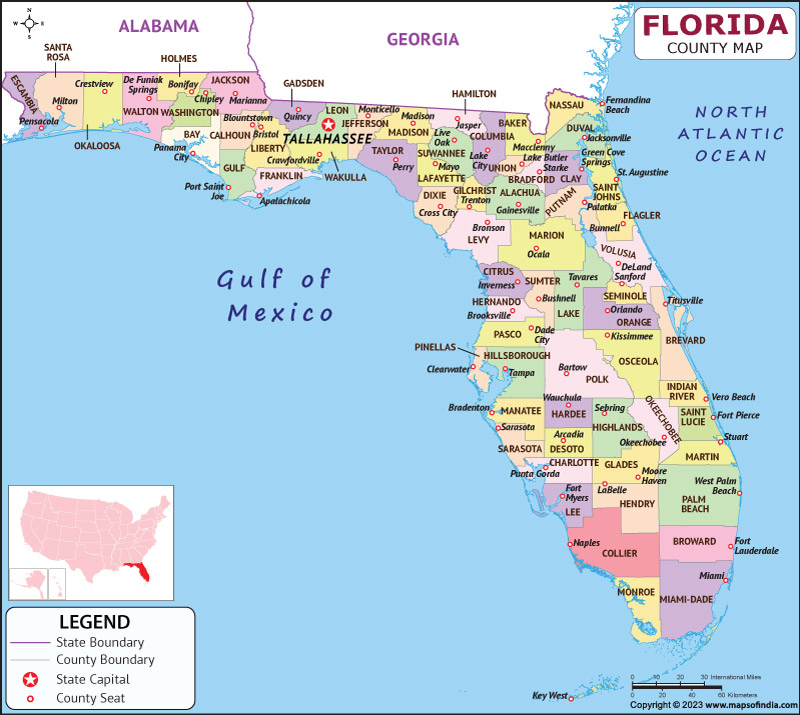
Embarking on the journey to purchase your first home in Florida is an exciting milestone, but it’s also a process that requires careful planning and a thorough understanding of the local market dynamics. First-time homebuyers often face a unique set of challenges, from navigating complex financing options to deciphering the nuances of Florida’s diverse real estate landscape. However, these challenges are often balanced by significant opportunities, including potential first-time buyer programs and a wide array of property types to suit various budgets and lifestyles.Florida’s real estate market presents a compelling blend of opportunities and hurdles for those taking their initial steps into homeownership.
The state’s consistent population growth and desirable climate continue to fuel demand, which can translate into competitive bidding situations and rapidly appreciating property values. For first-time buyers, this means acting decisively and being well-prepared. On the flip side, Florida offers a range of housing options, from affordable condominiums and townhouses to single-family homes in developing communities, providing entry points for a variety of financial capacities.
Understanding these dynamics is crucial for a successful and less stressful home-buying experience.
Check property management software for commercial properties to inspect complete evaluations and testimonials from users.
Navigating the First-Time Homebuyer Process in Florida
The home-buying process for individuals new to the Florida real estate market involves several distinct stages, each requiring diligent attention. Beginning with securing financing, prospective buyers must obtain pre-approval for a mortgage. This step is fundamental as it establishes a clear budget and demonstrates to sellers that you are a serious and qualified buyer. Following pre-approval, the search for a suitable property commences, often involving extensive research into neighborhoods and property types.
Once a property is identified and an offer is made, the process moves into the crucial phases of inspections, appraisals, and finally, the closing, where ownership is officially transferred.The essential steps involved in the home-buying process for first-time buyers in Florida are as follows:
- Mortgage Pre-Approval: Obtain a letter from a lender indicating the maximum loan amount you qualify for. This is a critical first step to understand your budget.
- Engaging a Real Estate Agent: Partner with an agent experienced in working with first-time homebuyers in Florida. They will guide you through the market and the transaction.
- Property Search: Begin looking for homes that fit your pre-approved budget and lifestyle needs, considering location, size, and amenities.
- Making an Offer: Once you find a property, your agent will help you craft a competitive offer, including contingencies.
- Home Inspection: Hire a qualified inspector to assess the property’s condition, identifying any potential issues.
- Appraisal: The lender will order an appraisal to determine the fair market value of the property, ensuring it aligns with the loan amount.
- Underwriting and Final Loan Approval: The lender reviews all documentation to provide final approval for your mortgage.
- Homeowners Insurance: Secure a homeowners insurance policy, which is a requirement for mortgage lenders.
- Closing: This is the final step where all legal documents are signed, funds are transferred, and you receive the keys to your new Florida home.
Effective Research and Comparison of Florida Neighborhoods
Finding the right neighborhood is as important as finding the right house, especially for first-time homebuyers. Florida offers a vast spectrum of communities, from bustling urban centers with vibrant cultural scenes to tranquil coastal towns and family-friendly suburban enclaves. Effective research involves looking beyond superficial appeal and delving into factors that impact daily life and long-term investment. This includes evaluating school districts, proximity to employment centers, access to healthcare facilities, local amenities like parks and shopping, and the overall safety and community feel of an area.To effectively research and compare different Florida neighborhoods for your first home, consider the following:
- Commute and Accessibility: Analyze travel times to work, major highways, and public transportation options.
- Lifestyle and Amenities: Determine if the neighborhood offers the recreational activities, dining, and shopping experiences that align with your preferences.
- Community Vibe: Visit neighborhoods at different times of the day and week to get a feel for the atmosphere and resident demographics.
- Future Development: Research any planned or ongoing development projects that could impact property values or the neighborhood’s character.
- Local Services: Assess the quality and availability of essential services such as healthcare providers, grocery stores, and emergency services.
- Property Values and Trends: Investigate historical property value appreciation and market trends to gauge potential return on investment.
The Value of Specialized Real Estate Professionals for First-Time Buyers
Working with real estate professionals who specialize in assisting first-time buyers in Florida is paramount to a successful home purchase. These agents possess a deep understanding of the local market, including current inventory, pricing trends, and negotiation strategies tailored to the state’s specific conditions. More importantly, they are adept at guiding novices through the often-intimidating home-buying process, demystifying jargon, explaining complex contracts, and advocating for the buyer’s best interests.
Their expertise can save time, reduce stress, and potentially lead to significant financial savings.Specialized agents provide invaluable support by:
- Educating buyers on the entire home-buying journey.
- Identifying properties that align with budget and needs.
- Facilitating communication with lenders, inspectors, and other parties.
- Negotiating purchase prices and terms on behalf of the buyer.
- Ensuring all paperwork is accurately completed and deadlines are met.
Crucial Questions for Evaluating Florida Properties
When evaluating Florida properties, first-time homebuyers should arm themselves with a comprehensive list of questions to ask themselves and their real estate agents. These questions are designed to uncover critical information about the property’s condition, the neighborhood, and the overall feasibility of the purchase. A thorough inquiry process helps ensure that the chosen home meets current needs and is a sound investment for the future, minimizing potential regrets or unexpected expenses down the line.Here is a checklist of crucial questions for first-time homebuyers to consider when evaluating Florida properties:
- To Myself:
- Does this property fit my current lifestyle and anticipated future needs?
- Can I comfortably afford the monthly mortgage payments, property taxes, insurance, and potential HOA fees?
- Are there any lifestyle compromises I am making that I will regret later?
- Does the location offer the amenities and community feel I desire?
- What are my long-term plans for this home?
- To My Agent:
- What is your experience with first-time homebuyers in this specific area of Florida?
- What are the typical property tax rates and insurance costs for homes in this neighborhood?
- Are there any known issues with the property or the surrounding area, such as flood zones, sinkhole risks, or upcoming developments?
- What is the typical negotiation range for similar properties in this market?
- Can you recommend reliable home inspectors and other service providers?
- What are the average utility costs for homes of this size in this area?
- Are there any specific Florida real estate laws or regulations I should be aware of?
- What is the school district rating for this area, and is it important for my long-term plans?
- What is the history of this property (previous sales, major renovations)?
Conclusion
In essence, Florida homes represent more than just a place to live; they are a gateway to a distinctive lifestyle shaped by unique architecture, a dynamic climate, and a thriving real estate market. Whether you are drawn to the sun-drenched beaches, the lush natural preserves, or the bustling urban centers, understanding the nuances of Florida living, from construction to community, is key to making an informed decision.
This comprehensive overview has aimed to equip you with the knowledge to navigate the exciting world of Florida properties, ensuring a fulfilling and well-considered homeownership experience.
Clarifying Questions
What are the most common architectural styles found in Florida homes?
The most prevalent architectural styles include Mediterranean Revival, known for its stucco exteriors, red tile roofs, and arched windows; Mid-Century Modern, characterized by clean lines, large windows, and open floor plans; and Coastal, featuring light colors, natural materials, and designs that maximize ocean breezes.
How do hurricanes impact home construction in Florida?
Florida has stringent building codes designed to withstand hurricane-force winds and heavy rain. This includes requirements for impact-resistant windows and doors, reinforced roof structures, and specific foundation anchoring methods to ensure structural integrity during severe weather events.
What is the average property tax rate in Florida?
Property tax rates in Florida vary significantly by county and municipality, but they are generally considered moderate compared to some other states. The average effective property tax rate is typically around 1% of the home’s assessed value, though this can fluctuate.
Are there specific communities designed for retirees in Florida?
Yes, Florida is renowned for its active adult communities, often referred to as 55+ communities. These neighborhoods are specifically designed for residents aged 55 and older, offering a range of amenities and social activities tailored to this demographic.
What are some key features of eco-friendly homes in Florida?
Eco-friendly Florida homes often incorporate features like solar panels for energy generation, high-efficiency HVAC systems, water conservation systems (e.g., rainwater harvesting), native landscaping that requires less water, and the use of sustainable building materials.