Beach homes for sale in Florida beckon with the promise of an unparalleled lifestyle, where the gentle rhythm of the waves becomes your daily soundtrack and the sun-drenched sands are your extended backyard. This exploration delves into the captivating allure of coastal living in the Sunshine State, highlighting the unique advantages, diverse property offerings, and vibrant communities that make owning a piece of paradise a dream for many.
From the sensory delights of ocean breezes to the sense of belonging within charming beach towns, we uncover what truly sets Florida’s beachfront properties apart.
Beyond the idyllic scenery, acquiring a beach home involves a thoughtful approach to practical considerations. This guide will navigate you through the essential steps, from assessing structural integrity and understanding unique maintenance needs to deciphering the financial landscape of coastal real estate, including taxes, insurance, and potential rental income. We will also shed light on the critical aspects of zoning laws and building regulations, ensuring your investment is both secure and compliant.
Furthermore, a comprehensive checklist of questions for real estate agents will empower you to make informed decisions, covering crucial elements like storm preparedness and community amenities.
The Allure of Coastal Living and the Diverse Offerings of Florida’s Beachfront Properties
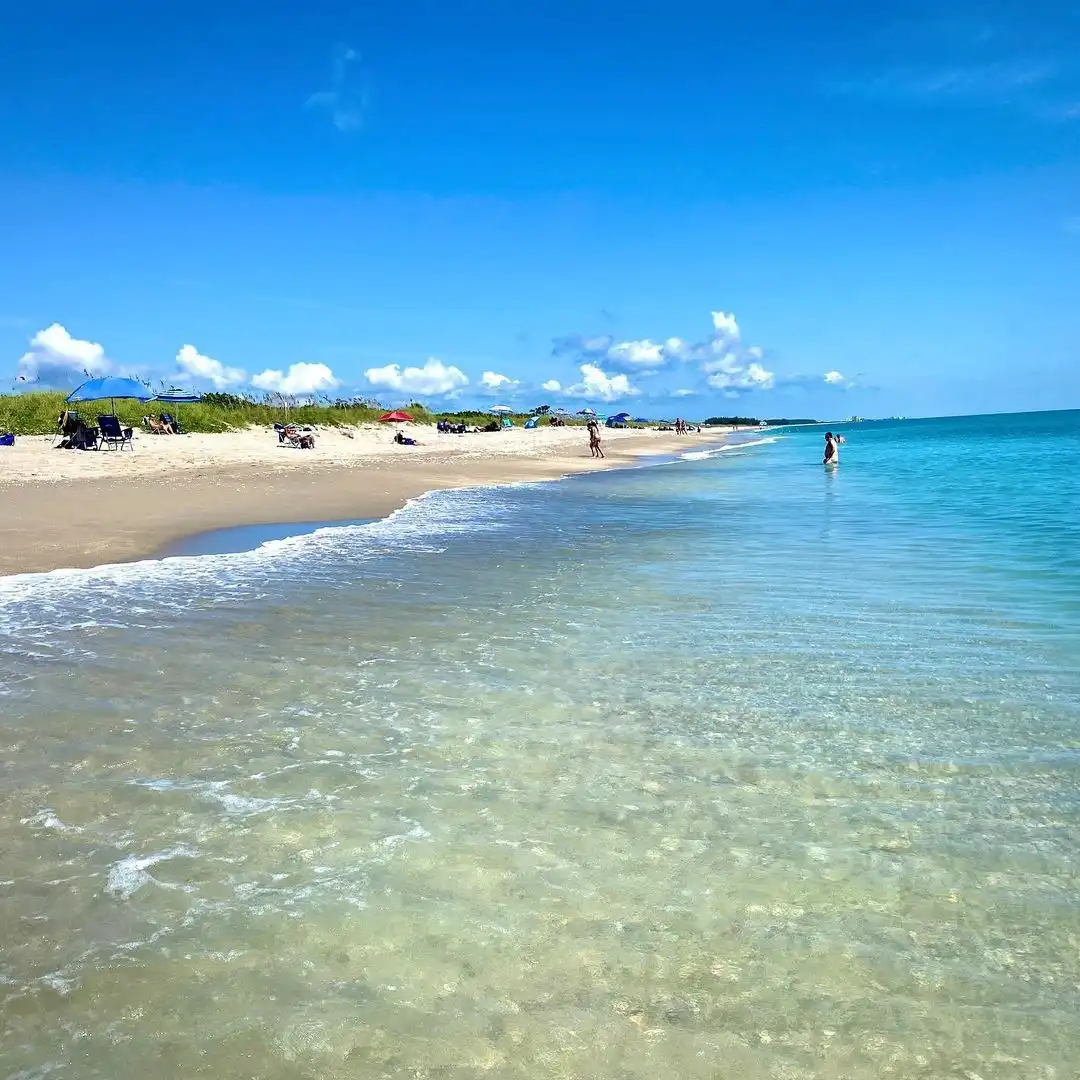
Florida’s coastline is more than just a beautiful stretch of sand; it’s an invitation to a lifestyle that captivates the senses and enriches the soul. Owning a home directly on the Florida coast means embracing an unparalleled quality of life, where the rhythm of the tides dictates the pace and the horizon offers endless inspiration. This is a life lived in close communion with nature, where the gentle murmur of waves serves as a constant lullaby and the salty air invigorates every breath.
The sensory experience is profound: the warmth of the sun on your skin, the feel of soft sand between your toes, the vibrant hues of a sunset painting the sky, and the refreshing embrace of the ocean’s spray. Beyond the personal rejuvenation, coastal living fosters a unique sense of community. Beachfront neighborhoods often cultivate a welcoming atmosphere, where neighbors share a common appreciation for the natural beauty and recreational opportunities.
From impromptu beach gatherings to shared boating adventures, these communities are built on a foundation of shared experiences and a mutual love for the coastal environment. This interconnectedness, combined with the inherent tranquility of the ocean, creates a living environment that is both exhilarating and deeply peaceful. The accessibility to water activities is another significant draw. Imagine stepping out your door and being just moments away from kayaking, paddleboarding, fishing, or simply enjoying a leisurely stroll along the shore.
This constant access to the water promotes an active and healthy lifestyle, encouraging residents to engage with their surroundings and find joy in the simple pleasures of beach life. The presence of marine life also adds to the wonder, with dolphins frequently gracing the waters and a rich diversity of seabirds providing a constant spectacle. This intimate connection with the natural world is a privilege that defines the Florida coastal experience, offering a sanctuary from the everyday hustle and a constant source of wonder and delight.
Variety in Florida Beachfront Homes
Florida’s coastline is a treasure trove of diverse beachfront properties, catering to a wide spectrum of tastes, lifestyles, and budgets. Whether you dream of a sprawling estate with panoramic ocean views or a cozy, intimate bungalow just steps from the surf, there’s a beach home waiting for you. These residences are not just structures; they are gateways to a lifestyle defined by the sea.
The architectural styles are as varied as the coastline itself, reflecting regional influences, historical periods, and modern design trends. You’ll find sleek, contemporary designs with expansive glass walls to maximize ocean vistas, offering a seamless blend of indoor and outdoor living. These often feature clean lines, minimalist aesthetics, and state-of-the-art amenities, appealing to those who appreciate modern luxury. In contrast, many areas boast charming Mediterranean-inspired villas, characterized by terracotta roofs, stucco exteriors, and arched doorways, evoking a timeless elegance and a sense of Old Florida charm.
Discover the crucial elements that make property management software for commercial properties the top choice.
These homes often incorporate private courtyards and lush landscaping, creating a serene oasis. For those seeking a more casual and relaxed vibe, charming beach bungalows and cottages are prevalent. These typically feature simpler designs, often with weathered wood siding, breezy porches, and an unpretentious connection to the beach. They embody the quintessential laid-back beach lifestyle. Further along the spectrum, grander estates and custom-built mansions can be found, offering unparalleled luxury, extensive amenities like private pools, guest houses, and direct beach access with exclusive dune walkovers.
These properties are designed for sophisticated living and entertaining, often featuring bespoke finishes and cutting-edge technology. The types of beachfront properties also extend to luxurious condominiums and townhouses, providing a maintenance-free option for those who desire oceanfront living without the responsibilities of a detached home. These often come with shared amenities such as resort-style pools, fitness centers, and concierge services, further enhancing the coastal living experience.
Each type of home offers a unique way to experience the magic of living by the sea, ensuring that the dream of a Florida beach home is attainable for many.
Distinctive Coastal Regions of Florida
Florida’s extensive coastline is a mosaic of distinct regions, each offering a unique flavor and appeal to potential beachfront homeowners. From the bustling energy of South Florida to the laid-back charm of the Gulf Coast, understanding these differences is key to finding the perfect coastal retreat. The Emerald Coast in the Florida Panhandle, encompassing areas like Destin and Seaside, is renowned for its sugar-white sands and crystal-clear emerald waters, reminiscent of the Caribbean.
This region offers a mix of luxurious beachfront estates and charming, pastel-colored cottages, particularly in planned communities like Seaside, which emphasizes pedestrian-friendly living and a strong sense of community. The vibe here is often family-oriented and geared towards outdoor recreation. Moving south along the Gulf Coast, the Sarasota and Naples areas present a more sophisticated and tranquil coastal experience. Sarasota, with its cultural attractions and beautiful barrier islands like Siesta Key (famous for its quartz-sand beaches), offers a blend of upscale living and artistic flair.
Naples, further south, is synonymous with luxury, pristine beaches, and world-class golf, attracting a discerning clientele seeking refined coastal living. The architecture here often leans towards Mediterranean and contemporary styles, emphasizing elegance and privacy. Central West Florida, including areas like Clearwater and St. Pete Beach, offers a more classic Florida beach town feel, with a vibrant tourism scene and a wide range of property types, from older, charming beach cottages to modern high-rise condominiums.
The Southwest Coast, including Fort Myers and the islands of Sanibel and Captiva, is celebrated for its natural beauty, abundant shelling, and a more relaxed, nature-focused lifestyle. Properties here often blend seamlessly with the environment, emphasizing sustainability and connection to the local ecosystem. Further south, the Gold Coast stretches from Palm Beach down to Fort Lauderdale and Miami, offering a dynamic and glamorous coastal lifestyle.
Palm Beach is an enclave of unparalleled luxury and historic estates, while Fort Lauderdale offers a vibrant mix of modern beachfront condos and charming waterfront homes. Miami Beach, a global hub of culture and nightlife, boasts iconic Art Deco architecture alongside ultra-modern high-rise residences, catering to those who seek a lively and cosmopolitan beach experience. Finally, the Florida Keys offer a truly unique island-living experience, with a bohemian charm and a deep connection to the marine world.
From Key Largo to Key West, properties here are often characterized by stilted homes, colorful bungalows, and a laid-back, tropical atmosphere, perfect for boating enthusiasts and those seeking an escape from the ordinary. Each region provides a distinct chapter in Florida’s coastal story, inviting exploration and promising a dream home tailored to individual desires.
Waking to the Ocean’s Embrace
Imagine this: your eyes flutter open, not to the jarring sound of an alarm, but to the gentle, rhythmic symphony of the ocean. It’s a sound that has a way of grounding you, of reminding you of the vastness and tranquility that surrounds your Florida beach home. The first rays of sunlight, soft and golden, begin to filter through your windows, casting a warm glow across your room.
There’s no need to rush; the day unfolds at its own unhurried pace, dictated by the natural cadence of the sea. You rise, and the scent of salt and sea air, fresh and invigorating, greets you as you step out onto your balcony or lanai. The view is immediate and breathtaking – an endless expanse of shimmering blue water meeting a vast, clear sky.
The sand, still cool from the night, stretches out before you, an invitation to wander. The sheer proximity is exhilarating; the beach is not a destination to be reached, but an extension of your own living space. You can feel the subtle vibrations of the waves lapping against the shore, a constant, comforting presence. Perhaps you decide to start your day with a quiet walk along the water’s edge, collecting seashells as the tide recedes, or maybe a refreshing dip in the ocean is your morning ritual.
The feeling of the cool water against your skin, the soft sand yielding beneath your feet, the sheer freedom of being so close to nature – it’s an experience that rejuvenates the mind and body. This is not a vacation; this is your everyday reality. The convenience is unparalleled. For a spontaneous sunrise viewing, a midday swim, or an evening stroll to watch the sunset paint the sky in fiery hues, the beach is always just a few steps away.
You can hear the playful cries of seagulls, the rustling of palm fronds in the gentle breeze, and the distant murmur of other beachgoers enjoying their own slice of paradise. It’s a life lived in constant connection with the elements, a peaceful existence where the natural world is your closest neighbor. The simplicity and beauty of this daily awakening, the immediate access to the rejuvenating power of the ocean, is the very essence of the Florida beach home dream, a profound and constant source of joy and well-being.
Navigating the Practical Considerations When Seeking a Seaside Residence in the Sunshine State

Acquiring a beach home in Florida is an exciting prospect, promising a lifestyle of sun, sand, and surf. However, beyond the allure of ocean views, there are crucial practical aspects to thoroughly consider. This section delves into the essential steps and information required to make an informed decision, ensuring your dream coastal property is also a sound investment. From the physical condition of the home to the financial and regulatory landscape, understanding these elements is paramount to a smooth and successful purchase.The journey to owning a Florida beach home involves careful evaluation of various tangible and intangible factors.
It’s about more than just the aesthetics; it’s about the long-term viability and enjoyment of your investment. By systematically addressing these practical considerations, buyers can mitigate potential risks and confidently embrace the unique opportunities that come with beachfront living in Florida.
Assessing Structural Integrity and Maintenance Challenges of Beachfront Properties
Purchasing a home directly on the coast presents unique challenges that require a meticulous approach to structural assessment. The relentless exposure to saltwater, high winds, and intense sun can accelerate wear and tear on building materials. Therefore, a comprehensive inspection process is not just recommended; it’s essential. This begins with engaging a qualified inspector who has specific experience with coastal properties.The inspection should meticulously examine the foundation, looking for signs of erosion or damage caused by shifting sands or storm surges.
Coastal foundations are often subject to different stresses than those inland. Next, the exterior of the property demands close attention. This includes the condition of siding, which can be susceptible to salt spray corrosion and wind damage, and roofing materials, which must be able to withstand hurricane-force winds. Special consideration should be given to windows and doors, ensuring they are impact-resistant and properly sealed to prevent water intrusion during storms.
The pervasive influence of salt and humidity necessitates a proactive maintenance schedule, significantly impacting the long-term cost of ownership.
Inside the home, inspectors should check for signs of moisture intrusion, mold, and mildew, which are more prevalent in humid coastal environments. Electrical systems and plumbing also require thorough vetting, as saltwater and humidity can lead to corrosion and premature failure. Don’t overlook HVAC systems, as they work harder in the humid climate and require regular servicing. The inspection report should detail any immediate repair needs and provide an outlook on potential future maintenance requirements.
Understanding these potential issues upfront allows for better budgeting and negotiation during the purchase process. Furthermore, inquire about the age of major systems like the roof, HVAC, and water heater, as their replacement can represent significant future expenses. A diligent assessment of structural integrity and a realistic understanding of ongoing maintenance needs are fundamental to securing a sound investment in Florida’s coastal real estate market.
Financial Aspects of Owning Florida Beachfront Property
The financial landscape of owning a beach home in Florida is distinct and requires careful consideration beyond the initial purchase price. Several cost factors are amplified due to the coastal location, and understanding these can prevent financial surprises down the line.Property taxes in Florida are generally based on the assessed value of the property. However, beachfront properties, due to their desirability and often higher value, typically incur higher property taxes.
Get the entire information you require about commercial property management accounting software on this page.
It’s crucial to research the specific millage rates for the area you are considering and understand how the county appraises coastal real estate. This can vary significantly from one coastal community to another.Insurance costs represent a substantial financial consideration for beachfront homeowners. Homeowners insurance for properties in high-risk coastal zones, particularly those susceptible to hurricanes and flooding, can be considerably more expensive than for inland properties.
This often necessitates obtaining separate flood insurance policies, which are typically managed through the National Flood Insurance Program (NFIP) or private insurers. The cost of these policies is determined by factors such as the elevation of the home, its proximity to the coast, and the historical storm activity in the region. Expect to pay thousands of dollars annually for comprehensive insurance coverage.
The investment in robust insurance is not merely a cost; it’s a critical safeguard against potentially catastrophic losses inherent in coastal living.
When investigating detailed guidance, check out property management rent collection software now.
Potential rental income opportunities can be a significant draw for beach homes, especially in popular tourist destinations. Many owners choose to rent out their properties when they are not using them, offsetting ownership costs. However, it’s vital to research local regulations regarding short-term rentals, as many communities have specific rules and restrictions in place. Understanding occupancy limits, licensing requirements, and any associated taxes is essential.
Furthermore, realistic projections for rental income should be based on comparable properties in the area, considering seasonality, occupancy rates, and management fees if you plan to use a rental agency. A thorough financial analysis, factoring in property taxes, insurance premiums, potential maintenance, and realistic rental income, is indispensable for making a prudent investment in Florida’s beachfront real estate.
Understanding Local Zoning Laws and Building Regulations for Beachfront Land
Navigating the legal and regulatory framework surrounding beachfront properties in Florida is a critical step for any prospective buyer, particularly if renovations or new construction are contemplated. Zoning laws and building regulations are designed to manage development, protect coastal ecosystems, and ensure public safety, especially in areas prone to hurricanes and erosion.Zoning ordinances dictate how land can be used, including restrictions on residential, commercial, or mixed-use development.
For beachfront properties, these regulations often address setbacks from the mean high-water line, height restrictions for structures, and limitations on the density of development. Understanding these parameters is vital to ensure that your intended use of the property aligns with local planning. For instance, a property zoned for single-family residential use may prohibit the construction of a multi-unit rental property.Building codes are another essential layer of regulation.
Florida has stringent building codes designed to withstand extreme weather conditions. For coastal areas, these codes are often even more rigorous, mandating specific construction techniques and materials to enhance structural resilience against high winds and storm surges. This can include requirements for impact-resistant windows and doors, reinforced roofing systems, and specialized foundation designs. If you plan any modifications, even minor ones, it is imperative to consult with the local building department to understand permit requirements and ensure compliance.
Adherence to local zoning and building regulations is not optional; it’s a fundamental requirement for responsible coastal development and property ownership.
Furthermore, specific environmental regulations may apply to beachfront land, particularly concerning dune systems, coastal vegetation, and wetlands. These regulations are in place to protect fragile ecosystems and maintain natural coastal defenses. For example, disturbing dunes or removing native vegetation often requires special permits and adherence to strict guidelines. If you are considering new construction, understanding the requirements for site preparation, elevation, and drainage is paramount.
Engaging with local planning and building officials early in the process can save significant time and expense by clarifying what is permissible and what steps are necessary to obtain the required approvals. A thorough understanding of these regulations will prevent costly mistakes and ensure that your beachfront property development or renovation is both compliant and sustainable.
Essential Questions for a Real Estate Agent When Viewing a Florida Beach Home, Beach homes for sale in florida
When exploring beach homes for sale in Florida, a well-prepared buyer asks targeted questions to gain a comprehensive understanding of the property and its surroundings. A seasoned real estate agent can provide invaluable insights, but it’s your responsibility to solicit the information that matters most for a coastal dwelling. The following checklist covers essential aspects to discuss during viewings, ensuring you make an informed decision.
Structural and Environmental Considerations:
- What is the property’s elevation, and has it been affected by past flood events?
- What is the history of storm damage to the property, and what repairs have been made?
- What is the condition of the roof, and when was it last replaced?
- Are the windows and doors impact-rated?
- What is the foundation type, and are there any signs of erosion or structural compromise?
- What is the home’s proximity to the nearest dune system, and are there any restrictions on altering it?
- What is the expected annual cost of flood insurance, and is it through the NFIP or a private insurer?
- What is the current homeowners insurance premium, and has it significantly increased recently?
Maintenance and Utilities:
- What is the typical maintenance schedule for a property like this, considering the coastal environment?
- What is the age and condition of the HVAC system, plumbing, and electrical wiring?
- Are there any known issues with mold or mildew, and how have they been addressed?
- What are the average monthly utility costs (electricity, water, sewer)?
Community and Regulations:
- What are the local zoning laws regarding renovations, additions, or new construction on this property?
- Are there any Homeowners Association (HOA) fees or rules, and what do they cover?
- What are the community’s storm preparedness plans and resources?
- What are the local regulations for short-term rentals, if applicable?
- What are the community amenities available (e.g., beach access, pools, maintenance services)?
- How active is the local community in addressing coastal erosion or other environmental concerns?
Property History and Value:
- What is the property’s history of ownership and any significant sales or renovations?
- What are recent comparable sales of similar beachfront properties in the area?
- Are there any known easements or encumbrances on the property?
By systematically going through these questions, you can build a comprehensive picture of the beach home’s condition, the ongoing costs, and the regulatory environment, empowering you to make a confident purchase.
Ending Remarks

Investing in Florida’s oceanfront real estate is more than just a property transaction; it’s an embrace of a distinctive lifestyle and a strategic financial decision. By understanding the long-term appreciation potential, navigating environmental factors like hurricane risks and sea-level rise, and securing appropriate insurance, buyers can confidently enter this dynamic market. The expertise of coastal property specialists is invaluable in this endeavor, guiding you through the complexities to find a home that perfectly balances your aspirations with practical realities.
Ultimately, Florida’s coastal communities offer a rich tapestry of recreational activities, vibrant social infrastructures, and the chance to craft a life perfectly in tune with the ebb and flow of the ocean.
FAQ Resource: Beach Homes For Sale In Florida
What are the typical insurance costs for a beach home in Florida?
Insurance costs for Florida beach homes are generally higher than for inland properties due to increased risks from hurricanes, flooding, and wind damage. Premiums can vary significantly based on the home’s location, elevation, construction type, and the specific coverage selected. It’s crucial to obtain multiple quotes from specialized coastal insurance providers.
How does sea-level rise affect beach home values in Florida?
Sea-level rise is a growing concern that can impact beach home values by increasing the risk of coastal erosion, storm surge damage, and potential inundation. Properties in lower-lying areas or those experiencing significant erosion may see their values decrease over time. Buyers should research local sea-level rise projections and consider properties with robust coastal defenses or in higher elevations.
Are there specific financing options available for beach homes in Florida?
While standard mortgage options are available, some lenders may have specific requirements for coastal properties due to higher risk. It’s advisable to work with lenders experienced in Florida’s coastal real estate market, as they may offer specialized loan programs or have a better understanding of the unique appraisal and insurance requirements for these types of homes.
What is the process for building or renovating a beach home in Florida?
Building or renovating a beach home in Florida involves strict adherence to local zoning laws, building codes, and environmental regulations, particularly those related to coastal construction. This often includes obtaining permits from local authorities and potentially state agencies, with specific requirements for flood-proofing, wind resistance, and environmental impact assessments. Consulting with local architects and contractors experienced in coastal building is highly recommended.