Homes for sale county are more than just properties; they represent diverse opportunities within a dynamic market. This guide offers a comprehensive exploration of what awaits prospective buyers, from the varied types of residences available to the essential tools and insights needed to navigate the journey to homeownership.
We will delve into the rich tapestry of housing options, examining architectural styles, desirable amenities, and the powerful economic and demographic forces that shape the local real estate landscape. Understanding these elements is crucial for making informed decisions, whether you’re a first-time buyer or a seasoned investor.
Unveiling the Diverse Housing Market Landscape Within a Specific Geographic Region
When embarking on the journey to find a home for sale within any given county, understanding the sheer variety of residential options available is paramount. This diversity caters to a wide spectrum of needs, preferences, and budget considerations, ensuring that most prospective buyers can find a property that aligns with their lifestyle. The market is typically characterized by a range of dwelling types, each offering a distinct living experience and set of associated responsibilities.The most prevalent category is undoubtedly the single-family dwelling.
Get the entire information you require about real estate erp systems on this page.
These are detached homes, standing on their own plots of land, offering the most privacy and autonomy. They range from charming, older bungalows with established gardens to modern, sprawling estates designed for luxury living. Single-family homes are often the ideal choice for families seeking ample living space, private outdoor areas for recreation, and the freedom to customize their property. Following closely in popularity are townhouses.
These are attached homes that share side walls with neighboring units, often arranged in rows. Townhouses typically offer a good balance between the space of a single-family home and the lower maintenance often associated with condominium living. They usually come with their own small yard or patio and often share common amenities within a community.Condominiums, or condos, represent another significant segment of the housing market.
These are individual units within a larger building or complex, where residents own the interior of their unit but share ownership and responsibility for common areas like hallways, lobbies, and recreational facilities. Condos are popular for their often more affordable price point and the convenience of having maintenance for exterior structures and grounds handled by a homeowners’ association. Finally, multi-family units, such as duplexes, triplexes, and apartment buildings, are also a common sight, though these are more often sought by investors looking for rental income opportunities.
However, some buyers may opt for a unit in a multi-family building for its affordability and community aspects. Each of these housing types contributes to the rich tapestry of options available to those seeking a place to call home within the county.
Prevailing Architectural Styles and Construction Trends
The architectural character of a county is a fascinating reflection of its history, evolving tastes, and economic development. As one explores different neighborhoods, a distinct narrative emerges through the styles of homes that populate them, each contributing to the overall aesthetic appeal and influencing property values in subtle yet significant ways. Understanding these prevailing styles provides valuable insight into the region’s past and its trajectory for the future.In older, established neighborhoods, one often encounters homes that embody traditional architectural periods.
Craftsman bungalows, popular in the early 20th century, are characterized by their low-pitched roofs, wide front porches with tapered columns, and exposed rafter tails. These homes exude a sense of warmth and craftsmanship. Colonial Revival styles, with their symmetrical facades, prominent entryways, and often brick exteriors, speak to a desire for classic elegance and order. Victorian-era homes, though sometimes less common, can be found with their ornate detailing, steep gables, and decorative trim, offering a glimpse into a more elaborate past.
These older styles often command a premium due to their unique character and historical significance, appealing to buyers who appreciate timeless design and established neighborhoods with mature landscaping.Moving into more contemporary neighborhoods, or areas that have seen significant development in recent decades, different construction trends and architectural styles come to the fore. Modern and contemporary designs often emphasize clean lines, open floor plans, and a connection to the outdoors, frequently utilizing materials like large glass windows, steel, and concrete.
Ranch-style homes, which gained immense popularity in the mid-20th century, are prevalent in many suburban areas, known for their single-story living, elongated layouts, and integration with their surroundings. More recently, there’s been a resurgence of interest in transitional styles, which blend elements of traditional and modern design, offering a fresh yet familiar aesthetic. This can manifest in homes with updated classic forms, featuring updated materials and energy-efficient construction.
The influence of local climate and available building materials also plays a role; for instance, in coastal areas, you might see more homes designed with large overhangs to provide shade and protection from the elements, while in mountainous regions, designs might incorporate more natural wood and stone elements to blend with the landscape. These evolving trends not only shape the visual appeal of neighborhoods but also impact property values, with newer, energy-efficient, and aesthetically pleasing designs often attracting higher market interest.
Commonly Sought-After Features and Amenities
When buyers actively search for homes for sale within a county, their desires often coalesce around a set of practical and desirable features and amenities that enhance their daily lives and the overall value of their property. These sought-after elements are not merely cosmetic; they often reflect a desire for comfort, convenience, functionality, and a connection to the surrounding community.
Understanding these common priorities can significantly streamline the home-buying process and help buyers identify properties that truly meet their needs.Yard space is a perennial favorite, especially for families with children or pets, or for those who enjoy gardening and outdoor entertaining. The size and usability of the yard are key considerations, with many buyers looking for a balance between manageable maintenance and sufficient space for recreation.
Garage capacity is another crucial factor. Whether it’s a single-car garage for basic parking needs or a multi-car garage for hobbyists or larger families, ample storage and vehicle protection are highly valued. Updated kitchens consistently rank high on buyer wish lists. A modern, well-equipped kitchen, featuring contemporary appliances, ample counter space, and efficient cabinetry, is often considered the heart of the home and a significant driver of property appeal.
Buyers are willing to invest more in homes that offer a recently renovated kitchen, saving them the immediate cost and effort of undertaking such a project themselves.Proximity to certain services and amenities also plays a vital role in buyer decisions. This includes convenient access to good schools, which is a primary concern for families. The availability of local parks, recreational facilities, and walking trails enhances quality of life and encourages an active lifestyle.
Commuting is another major consideration, with buyers often seeking homes that offer easy access to major transportation routes, public transit options, and employment centers, thereby reducing travel time and stress. Furthermore, the desirability of a neighborhood is often amplified by its proximity to shopping centers, diverse dining options, healthcare facilities, and cultural attractions. These elements contribute to a well-rounded living experience, making a home not just a dwelling, but a well-integrated part of a vibrant community.
Buyers also frequently express a desire for energy-efficient features, such as updated windows, efficient HVAC systems, and solar panels, recognizing the long-term cost savings and environmental benefits. Smart home technology, while still evolving, is also becoming an increasingly attractive feature for many.
Understanding the Economic and Demographic Influences Shaping the Local Housing Market
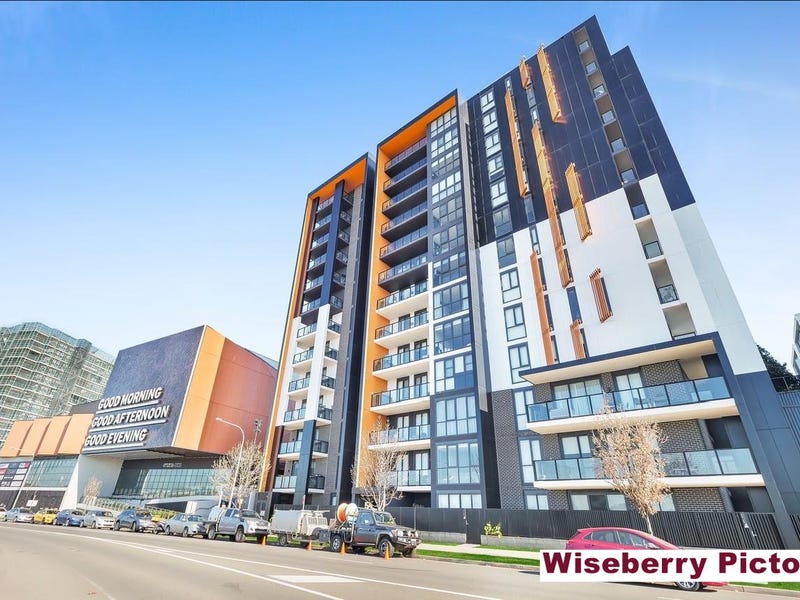
The housing market within any given county is a dynamic entity, constantly shaped by a confluence of economic forces and demographic shifts. Understanding these underlying influences is paramount for potential buyers, sellers, and investors alike, as they dictate everything from affordability and demand to the very types of properties that are most sought after. This section delves into these critical factors, offering insights into how the economic climate and the evolving population of our county directly impact its real estate landscape.
Interest Rates, Mortgage Availability, and Housing Affordability
Prevailing interest rates and the accessibility of mortgage financing are perhaps the most immediate and significant economic drivers of a local housing market. When interest rates are low, the cost of borrowing money to purchase a home decreases substantially. This directly translates into lower monthly mortgage payments for buyers, thereby increasing their purchasing power and making homes more affordable. Consequently, lower rates typically stimulate demand, encouraging more individuals and families to enter the market.
This heightened demand, especially when supply is constrained, can lead to increased competition among buyers, potentially driving up home prices.Conversely, when interest rates rise, the opposite effect occurs. Higher interest rates mean larger monthly payments for the same loan amount, reducing affordability for many prospective homeowners. This can lead to a slowdown in demand as potential buyers are priced out or choose to postpone their purchase, waiting for more favorable conditions.
Mortgage availability also plays a crucial role. Lenders may tighten their lending standards during periods of economic uncertainty or rising rates, making it more difficult for some buyers, particularly those with less-than-perfect credit or smaller down payments, to secure financing.The ripple effects of these interest rate and mortgage availability dynamics are felt across different buyer segments. First-time homebuyers, who often have more limited budgets, are particularly sensitive to changes in affordability.
A modest increase in interest rates can push the dream of homeownership out of reach for this group. Move-up buyers, who are selling an existing home to purchase a larger one, may find their equity eroded by slower price appreciation or even declines in value, making their next purchase less feasible. Investors, too, are influenced; higher borrowing costs can reduce their potential return on investment, leading to a decrease in investor activity.
In essence, the cost and availability of credit act as a powerful gatekeeper, determining who can participate in the housing market and at what price point.
“The affordability of housing is inextricably linked to the cost of capital. When borrowing becomes more expensive, the demand for the asset being financed naturally diminishes.”
Demographic Shifts and Housing Demand
The demographic makeup of a county is a fundamental determinant of its housing market’s character and trajectory. Population growth, for instance, is a primary driver of housing demand. As more people move into the county, whether for job opportunities, lifestyle reasons, or to be closer to family, there is an inherent need for more housing units. This increased demand, if not met by a corresponding increase in supply, can lead to upward pressure on prices and rental rates.
The nature of this population growth also matters; are young families moving in, or are retirees relocating?Age distribution is another critical demographic factor. A county experiencing a significant influx of young families will likely see a higher demand for starter homes, townhouses, and single-family residences with yards, often in suburban or family-friendly neighborhoods. Conversely, an area attracting a larger population of retirees might witness increased demand for smaller, low-maintenance homes, condominiums, or properties located in retirement communities with access to amenities and healthcare services.
The “baby boomer” generation, as it ages, presents unique housing needs, potentially leading to demand for accessible housing options and communities designed for active seniors.Income levels within the county play a direct role in market value and the types of homes that can be sustained. A growing economy with rising average incomes generally supports a stronger housing market, allowing more residents to afford higher-priced homes and increasing the overall market value.
Conversely, a stagnant or declining income base can lead to a plateau or decrease in housing prices, as purchasing power is limited. The distribution of income is also important; a county with a widening gap between high and low earners might see a bifurcated housing market, with strong demand and price growth in the luxury segment while the entry-level market struggles.
Understanding these demographic trends allows for a more nuanced appreciation of why certain types of homes are popular and how market values are evolving.
Historical Housing Market Trends and Economic Influences, Homes for sale county
Examining the historical performance of the county’s housing market provides invaluable context for understanding its current state and potential future movements. Over the decades, the county has likely experienced periods of robust growth, stagnation, and even decline, each driven by specific economic factors. For example, periods of significant economic expansion, often fueled by the growth of key industries or major employers relocating to the area, typically coincide with strong housing market performance.
You also will receive the benefits of visiting property management software that integrates with quickbooks today.
During such times, increased job creation leads to population influx and higher incomes, boosting demand for housing and driving up prices. This was often seen during periods of rapid industrialization or the dot-com boom, where demand for housing outstripped supply, leading to rapid appreciation.Conversely, economic downturns, such as recessions or the bursting of asset bubbles, have historically led to housing market contractions.
During the Great Recession of 2008, for instance, widespread job losses, tightened credit markets, and a decline in consumer confidence led to a significant drop in housing demand and a sharp decline in home values across many regions. Properties that were once considered affordable became unattainable for many, and foreclosures surged as homeowners struggled to meet mortgage payments. The underlying economic factors contributing to these fluctuations are varied.
They can include national economic policies, shifts in global markets, the rise and fall of local industries, and even significant infrastructure projects that alter the desirability and accessibility of certain areas.Analyzing these historical trends allows us to identify patterns and understand the cyclical nature of the housing market. It helps in recognizing that current market conditions, whether they appear overheated or sluggish, are often part of a larger economic cycle.
For instance, a period of rapid price appreciation might be followed by a period of slower growth or even a correction, as the market rebalances. Understanding the economic forces that propelled past booms and busts—such as easy credit, speculative investment, or demographic shifts—provides a framework for evaluating current market dynamics and making more informed decisions about real estate investments and homeownership.
Exploring the Practicalities of Property Viewings and Initial Assessments for Prospective Homeowners
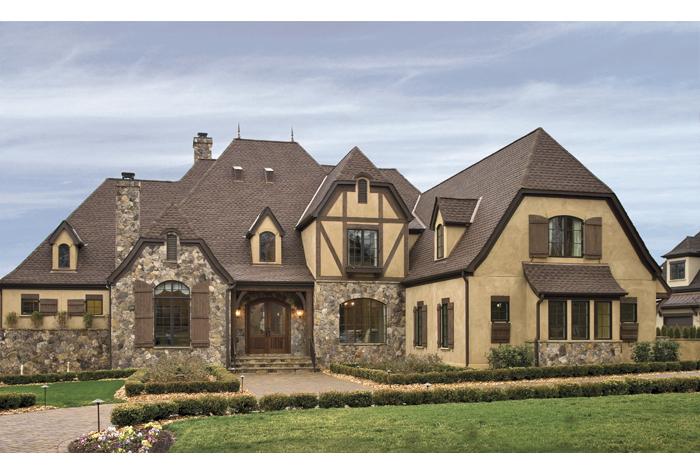
Embarking on the journey of purchasing a home is a significant undertaking, and the property viewing stage is where dreams begin to solidify into tangible possibilities. It’s a critical juncture where you move beyond online listings and brochures to experience a property firsthand. This phase demands a keen eye for detail and a systematic approach to ensure you’re making an informed decision.
A thorough viewing isn’t just about liking the aesthetics; it’s about uncovering the true condition and potential of the house, identifying any underlying issues that could become costly problems down the line, and ultimately, determining if it aligns with your long-term needs and budget.This section delves into the essential aspects of conducting effective property viewings, equipping you with the knowledge to assess not only the structure itself but also its surrounding environment and the crucial documentation that accompanies it.
By approaching each viewing with a comprehensive checklist and a discerning perspective, you can navigate the market with confidence and secure a property that truly meets your expectations.
Learn about more about the process of pipedrive real estate crm in the field.
Property Viewing Checklist: Structural Integrity, Functional Systems, and Overall Condition
When you step into a potential new home, it’s easy to be swayed by the decor or the spaciousness of a room. However, a successful viewing requires you to look beyond the superficial and focus on the fundamental aspects that contribute to a property’s value, safety, and long-term livability. A structured approach will help you systematically evaluate key areas, ensuring you don’t overlook critical details.
Think of this checklist as your guide to uncovering the property’s true character, both good and potentially problematic.Here’s a comprehensive checklist to help you evaluate the essential elements during a property viewing:
- Structural Integrity:
- Foundation: Look for visible cracks in the foundation walls (interior and exterior), uneven floors, or doors and windows that don’t close properly, which could indicate settling or structural issues.
- Walls and Ceilings: Inspect for cracks, water stains, mold, or signs of dampness. Pay attention to hairline cracks which can be normal, but larger, jagged cracks often signal more serious problems.
- Roof: From the ground, examine the roofline for sagging. If accessible, check for missing or damaged shingles, moss growth, or signs of leaks inside the attic.
- Windows and Doors: Ensure they open and close smoothly, and check the condition of the frames and seals for rot or damage. Drafts can indicate poor insulation.
- Chimney: If present, check for cracks in the brickwork, loose mortar, or damage to the cap.
- Functional Systems:
- Plumbing: Turn on faucets in kitchens and bathrooms to check water pressure and drainage. Look for leaks under sinks and around toilets. Flush toilets to ensure they work efficiently. Listen for unusual noises in pipes.
- Electrical: Locate the electrical panel and check if it’s modern (e.g., circuit breakers rather than fuses). If possible, test a few outlets with a small appliance or a voltage tester. Look for exposed wires or outdated wiring.
- Heating and Cooling (HVAC): If the system is operational, turn it on to check for proper function and listen for strange noises. Note the age and apparent condition of the furnace or air conditioning unit.
- Water Heater: Check for signs of rust or leaks around the unit. Note its size and approximate age if visible.
- Appliances: If appliances are included, test their basic functions (e.g., oven preheating, dishwasher running).
- Interior Condition:
- Flooring: Inspect for wear and tear, stains, loose tiles, or squeaky floorboards.
- Paint and Finishes: Look for peeling paint, water damage, or poor-quality repairs.
- Kitchen: Examine cabinets for functionality and condition. Check countertops for chips or stains.
- Bathrooms: Inspect grout and tile for mold or mildew. Check for signs of leaks around tubs and showers.
- Attic and Basement/Crawl Space: These areas are crucial for spotting potential issues like water damage, mold, pest infestations, or inadequate insulation.
- Exterior Condition:
- Siding/Brickwork: Look for cracks, rot, peeling paint, or damage.
- Gutters and Downspouts: Ensure they are securely attached and free of debris, and that water is directed away from the foundation.
- Yard and Landscaping: Check for proper drainage away from the house. Assess the condition of fences, decks, and patios.
- Garage: Inspect the garage door mechanism and the overall condition of the structure.
Assessing the Neighborhood and Surrounding Environment
The house itself is only one part of the equation; the neighborhood and its surroundings play an equally significant role in your quality of life and the long-term value of your investment. A beautiful home in an undesirable location can lead to dissatisfaction and potential financial challenges. Therefore, dedicating time to thoroughly assess the environment around a potential property is as crucial as inspecting the house’s internal systems.
This involves observing various factors that contribute to the overall atmosphere, convenience, and safety of the area.Consider these aspects when evaluating the neighborhood and surrounding environment:
- Noise Levels: Visit at different times of the day and week, including rush hour and evenings, to gauge ambient noise from traffic, nearby businesses, or recreational activities.
- Traffic Patterns: Observe the flow of traffic on main roads and residential streets. Consider proximity to major highways or busy intersections, which can impact commute times and noise pollution.
- Local Amenities: Research and visit nearby facilities such as grocery stores, pharmacies, schools, parks, public transportation stops, and healthcare services. Proximity to these can greatly enhance daily convenience.
- General Upkeep of Adjacent Properties: Take note of the condition of neighboring homes and gardens. Well-maintained properties generally indicate a stable and desirable neighborhood, while neglected ones might be a cause for concern.
- Safety and Security: Look for signs of street lighting, pedestrian-friendly sidewalks, and a general sense of community. Consider visiting the local police department’s website for crime statistics if available.
- Green Spaces and Recreation: Assess the availability and quality of local parks, playgrounds, walking trails, or other recreational facilities that align with your lifestyle.
- Future Development: Inquire about any planned construction projects or zoning changes in the vicinity that could impact the neighborhood’s character, traffic, or property values.
- Sense of Community: Try to get a feel for the neighborhood’s atmosphere. Are people walking their dogs? Are there community events? This intangible aspect can be a strong indicator of livability.
- Environmental Factors: Be aware of any potential environmental concerns such as proximity to industrial areas, flood zones, or areas prone to specific weather-related issues.
Interpreting Property Information Sheets and Disclosures
Beyond the visual inspection, understanding the paperwork associated with a property is paramount. Property information sheets and disclosure documents are designed to provide buyers with essential details about the property’s history, legal standing, and associated costs. These documents are legally binding and can reveal crucial information that might not be apparent during a viewing. Diligently reviewing these materials can help you avoid unexpected expenses and make a more informed decision, ensuring you’re fully aware of your commitments.Key details to pay close attention to include:
- Property Taxes: Understand the current annual property tax amount and how it’s calculated. Research historical trends in tax increases in the area, as this will impact your ongoing ownership costs.
- Homeowner Association (HOA) Fees: If the property is part of an HOA, carefully review the fee amount, what it covers (e.g., common area maintenance, amenities, insurance), and the HOA’s financial health. Understand the rules and regulations of the HOA, as they can restrict certain activities or modifications.
- Past Issues and Repairs: Disclosure statements often detail past problems such as water damage, foundation issues, or pest infestations. Note any significant repairs that have been made and whether warranties are still in effect.
- Zoning and Land Use: Verify the property’s zoning designation to ensure it aligns with your intended use and that there are no upcoming changes that could negatively impact the property or neighborhood.
- Easements and Encumbrances: Check for any easements (rights granted to others to use your property, like for utility lines) or other encumbrances that might affect your use or ownership of the property.
- Permits for Renovations: If renovations have been done, ensure that all necessary permits were obtained and that the work was inspected and approved by the local authorities.
- Environmental Disclosures: Be aware of any potential environmental hazards, such as lead paint, asbestos, or proximity to hazardous waste sites, which are often disclosed.
- Utilities and Service Providers: Understand the type of utilities serving the property (e.g., public water/sewer, septic, well, natural gas, propane) and the associated costs.
Property taxes are a recurring expense that can significantly affect your budget. Always verify the current assessment and any potential for future increases.
Final Summary

Navigating the market for homes for sale county requires a blend of knowledge, strategy, and careful consideration. By understanding the diverse housing options, leveraging effective discovery tools, comprehending market influences, and mastering the offer process, you are well-equipped to find your ideal home. This comprehensive approach ensures a smoother, more confident path to securing your piece of the county.
Question Bank: Homes For Sale County
What are typical closing costs for homes for sale county?
Closing costs typically range from 2% to 5% of the loan amount and can include appraisal fees, title insurance, attorney fees, origination fees, and recording fees.
How can I estimate the value of a home I’m interested in?
You can get an estimate by looking at comparable sales (comps) in the area, using online valuation tools, or consulting with a local real estate agent who can provide a comparative market analysis (CMA).
What is the difference between a buyer’s agent and a seller’s agent?
A buyer’s agent represents the interests of the homebuyer, while a seller’s agent represents the interests of the homeowner selling the property. They have different fiduciary duties.
Are there any first-time homebuyer programs available in this county?
Many counties and states offer first-time homebuyer programs that provide down payment assistance, low-interest loans, or tax credits. It’s advisable to research local government housing authorities or consult with a mortgage lender.