Homes for sale in Florida beckon with promises of sunshine, vibrant communities, and diverse investment opportunities. This comprehensive guide delves into the dynamic real estate market of the Sunshine State, offering insights for both seasoned investors and first-time homebuyers. From understanding market trends and property types to navigating financial intricacies and legal frameworks, we provide the essential knowledge to make your Florida property dreams a reality.
Prepare to explore a landscape rich with possibilities, where finding your perfect residence or a lucrative investment is within reach.
The Florida real estate market is a captivating arena, presenting a spectrum of choices for those looking to buy or sell. This exploration will illuminate the current trends shaping property availability and pricing across the state’s diverse regions, examining the forces behind demand and supply. We will also dissect the common residential property types available, from spacious single-family homes to chic condominiums and charming townhouses, detailing their typical features and who they best suit.
Furthermore, a comparative analysis of major metropolitan areas like Miami, Orlando, Tampa, and Jacksonville will reveal their unique market dynamics and investment appeal, equipping you with the knowledge to pinpoint your ideal location.
The process of searching for and securing a residence in Florida involves leveraging various resources and understanding the essential steps from initial inquiry to final acquisition.: Homes For Sale In Florida
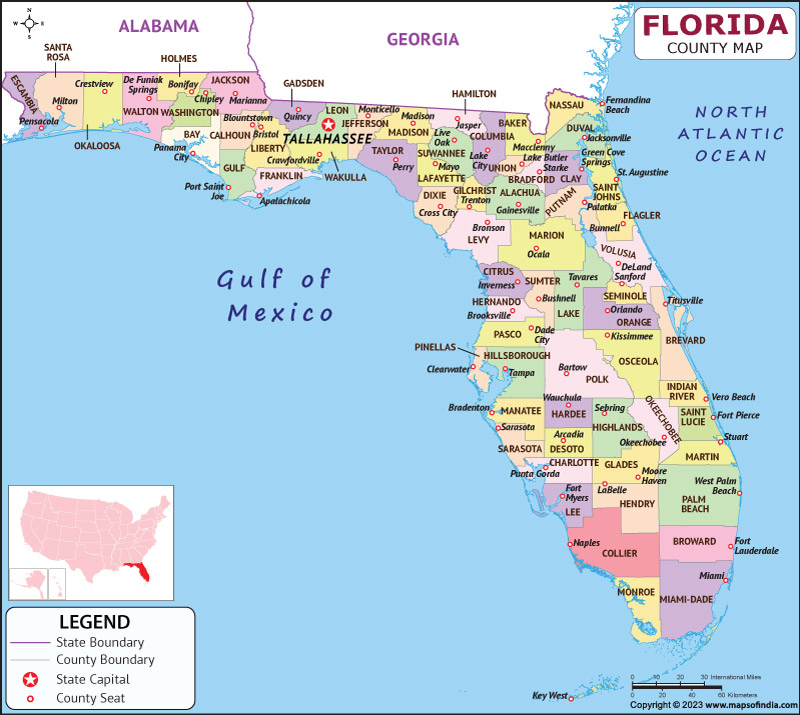
Embarking on the journey to find and purchase a home in Florida is an exciting endeavor, requiring a strategic approach to navigate the diverse real estate landscape. This process is characterized by the utilization of a range of tools and a clear understanding of the sequential phases, from the very first inquiry to the ultimate completion of the purchase. By employing effective search methods and meticulously evaluating potential properties, prospective buyers can confidently move towards securing their ideal Florida residence.
Effective Strategies for Discovering Available Residences in Florida
Discovering the right home in the Sunshine State is a multifaceted undertaking that benefits from a multi-pronged approach. The sheer volume of listings and the dynamic nature of the Florida real estate market necessitate the use of diverse resources to ensure no opportunity is missed. From the convenience of digital platforms to the personalized guidance of professionals and the tangible experience of open houses, each method offers unique advantages in the quest for a Florida property.
Understanding and effectively employing these strategies will significantly streamline the search process and increase the likelihood of finding a residence that perfectly aligns with your needs and desires.The digital age has revolutionized real estate, placing a wealth of information at your fingertips. Online property portals are an indispensable starting point for most buyers. Websites such as Zillow, Realtor.com, and Redfin provide extensive databases of active listings, often updated in real-time.
These platforms allow users to filter searches based on a multitude of criteria, including price range, number of bedrooms and bathrooms, square footage, property type (single-family home, condo, townhouse), and specific features like a swimming pool or waterfront access. Advanced search options often include mapping tools, enabling you to visualize properties within desired neighborhoods and assess their proximity to key areas.
Notice Houses for Sale in Dominican Republic for recommendations and other broad suggestions.
Many portals also offer valuable market data, such as recent sales in the area, property value estimates, and neighborhood demographics, which can inform your decision-making. Beyond these major players, many local real estate agencies maintain their own websites with curated listings, sometimes featuring properties that may not yet be widely advertised.Complementing online searches, engaging the services of a qualified real estate agent is often a cornerstone of a successful home search.
A local agent possesses in-depth knowledge of specific markets, including areas you might not have considered, and has access to the Multiple Listing Service (MLS), which often contains more comprehensive and up-to-date information than public-facing websites. Agents can act as your advocate, understanding your specific requirements and preferences, and can schedule showings for properties that meet your criteria. They are adept at navigating the complexities of the real estate transaction, from initial negotiations to closing.
Their expertise in market trends and property values can be invaluable in making informed decisions. Furthermore, agents can provide insights into neighborhood dynamics, potential future developments, and even recommend reputable service providers like inspectors and lenders.Open house events offer a unique, hands-on experience in evaluating properties. These scheduled opportunities allow potential buyers to walk through homes, get a feel for the layout and condition, and assess whether a property truly resonates with them.
Attending open houses provides a tangible understanding of space, natural light, and the overall ambiance of a home, aspects that can be difficult to fully grasp through online photos alone. It’s also an excellent chance to observe the neighborhood firsthand, gauge the community feel, and potentially speak with the listing agent for initial information. While online portals and agents provide curated information, open houses allow for direct, personal observation and can spark new ideas or reveal unexpected preferences.
Critical Considerations When Evaluating Potential Properties
When you’ve identified a promising property, a thorough evaluation process is paramount to ensure it meets your long-term needs and lifestyle. Beyond the superficial appeal, several fundamental factors require careful consideration. These elements significantly influence not only your daily living experience but also the future resale value and overall satisfaction with your investment. A diligent assessment of these aspects will help you make a well-informed decision, avoiding potential pitfalls and securing a home that truly enhances your quality of life in Florida.Location is arguably the most critical factor in real estate.
The adage “location, location, location” holds true for a reason. When evaluating a Florida home, consider its proximity to your workplace, family, and friends. Think about the accessibility to major roadways and public transportation options, which can significantly impact your daily commute. Beyond immediate accessibility, research the broader area’s appeal. Is it a vibrant urban center, a quiet suburban enclave, or a tranquil coastal community?
Each offers a distinct lifestyle. Understanding the local economic outlook and potential for growth or decline in the area is also wise. For instance, areas with strong job markets and planned infrastructure improvements tend to appreciate in value.Neighborhood amenities play a crucial role in shaping your lifestyle and the desirability of a property. Assess what the surrounding community offers. Are there parks and recreational facilities for outdoor activities?
Are there shopping centers, restaurants, and entertainment venues within easy reach? For families, the presence of community centers, libraries, and safe, walkable streets can be significant draws. Consider the overall aesthetic of the neighborhood – is it well-maintained, with attractive landscaping and a sense of pride among residents? The quality of life within a neighborhood is directly tied to the availability and quality of its amenities.The quality of local school districts is a paramount consideration for families with children, and often influences property values even for those without immediate school-aged dependents.
Research the ratings and reputations of nearby public and private schools. Websites like GreatSchools.org provide comprehensive data on school performance, student-teacher ratios, and parent reviews. A highly-rated school district can be a strong indicator of a stable and desirable community, contributing positively to the long-term value of your home. Even if you don’t have children, homes in top-tier school districts often command higher prices and are more attractive to future buyers.Proximity to essential services is another non-negotiable aspect of property evaluation.
This includes access to quality healthcare facilities, such as hospitals and medical clinics, especially important as you age or if you have specific health needs. Consider the convenience of grocery stores, pharmacies, and other daily necessities. For many in Florida, access to beaches, natural attractions, and recreational opportunities is also a key consideration, influencing the desirability and potential enjoyment of a property.
Evaluating the distance to these services will ensure that your daily life is convenient and that you have access to the resources you need.
Procedural Artikel for Making an Offer on a Florida Home, Homes for sale in florida
Once you’ve identified your ideal Florida home and completed your thorough evaluation, the next critical step is to formalize your interest by making an offer. This process involves a series of well-defined procedures designed to protect both the buyer and the seller, ensuring a transparent and legally sound transaction. Understanding each component of the offer, from the initial financial commitments to the inclusion of protective clauses, is essential for a successful negotiation and acquisition.
This procedural Artikel will guide you through the key stages of making a compelling offer.The process typically begins with your real estate agent preparing a Purchase and Sale Agreement, a legally binding document that Artikels the terms of your offer. This agreement will specify the purchase price you are offering, the closing date, and any other conditions you wish to include.
A crucial element of your offer is the earnest money deposit. This is a sum of money, typically 1-3% of the purchase price, held in escrow by a neutral third party (often a title company or attorney). It demonstrates your serious intent to purchase the property and is applied towards your down payment or closing costs at settlement. The amount of the earnest money deposit can sometimes be a point of negotiation, with larger deposits potentially signaling a stronger commitment to the seller.
Earnest money deposits serve as a good faith gesture, ensuring the buyer’s commitment to proceed with the transaction as Artikeld in the contract.
You also can investigate more thoroughly about online booking software for rentals to enhance your awareness in the field of online booking software for rentals.
Contingencies are conditions that must be met for the sale to proceed. These are vital protective clauses for the buyer. Common contingencies include:
- Financing Contingency: This protects you if you are unable to secure the necessary mortgage financing. If your loan approval falls through, you can typically withdraw from the contract and have your earnest money deposit returned.
- Inspection Contingency: This allows you to have the property professionally inspected within a specified timeframe. If the inspection reveals significant issues (e.g., structural problems, faulty plumbing, or electrical issues), you can negotiate repairs with the seller, request a credit, or withdraw from the contract.
- Appraisal Contingency: If you are obtaining a mortgage, the lender will require an appraisal to ensure the property is worth at least the loan amount. This contingency allows you to back out if the appraisal comes in lower than the agreed-upon purchase price.
- Homeowners Insurance Contingency: This ensures you can obtain affordable homeowners insurance for the property.
Negotiation tactics are an integral part of the offer process. Once you submit your offer, the seller may accept it, reject it, or present a counteroffer. A counteroffer is a revised offer from the seller, often adjusting the price, closing date, or other terms. Your agent will help you analyze any counteroffer and decide whether to accept, reject, or make another counteroffer.
When investigating detailed guidance, check out property management budgeting software now.
Key negotiation points often include the purchase price, closing costs, the inclusion or exclusion of certain fixtures or appliances, and the timeline for repairs identified during the inspection. Maintaining clear communication and understanding your priorities are essential during this phase. Your agent’s experience in local market conditions and negotiation strategies will be invaluable in achieving a favorable outcome.
Concluding Remarks

In essence, embarking on the journey of finding homes for sale in Florida is an exciting venture filled with potential. By understanding the market’s pulse, the variety of properties available, the financial pathways, and the procedural steps, you are well-equipped to make informed decisions. Whether you seek a tranquil retreat, a bustling urban dwelling, or a strategic investment, Florida’s real estate landscape offers a remarkable array of opportunities.
May your pursuit of a Florida home be both successful and rewarding.
Answers to Common Questions
What are the current hot markets in Florida for real estate?
While specific trends shift, areas like Tampa Bay, Orlando, and parts of Southwest Florida continue to see robust activity due to job growth, desirable amenities, and attractive pricing compared to other major coastal markets. Coastal areas and those with strong tourism appeal often remain popular.
Are there specific programs for first-time homebuyers in Florida?
Yes, Florida offers various state and local programs designed to assist first-time homebuyers. These can include down payment assistance, low-interest loans, and tax credits. It’s advisable to research programs through the Florida Housing Finance Corporation and local housing authorities.
What is the typical timeline for closing on a home in Florida?
The typical closing timeline in Florida can range from 30 to 60 days, depending on the financing method, the complexity of the transaction, and any contingencies. Cash offers often close faster than those involving mortgages.
How important is a home inspection in Florida?
A home inspection is critically important in Florida. Given the state’s climate, inspections can reveal issues like potential water damage, mold, foundation problems, and termite infestations, which can be costly to repair. It’s a crucial step in protecting your investment.
Can a non-US citizen buy property in Florida?
Yes, foreign nationals can purchase property in Florida. The process is generally similar to that for US citizens, though financing options might differ, and specific tax implications should be considered with professional advice.