Houses for sale in Florida present a dynamic and appealing market for a wide range of buyers. From sun-drenched beaches to vibrant cityscapes, the Sunshine State offers diverse living experiences and property types. This guide delves into the intricacies of finding your perfect Florida residence, covering everything from understanding regional nuances and property styles to navigating the purchase process and financial considerations.
Exploring the diverse landscape of Florida properties reveals a spectrum of opportunities, from coastal condos to inland family homes. Each region boasts unique characteristics, influencing lifestyle and property values. Understanding prevailing market trends, inventory levels, and seasonal buyer activity is crucial for making informed decisions in this ever-evolving market.
Identifying Opportunities and Challenges in the Current Florida Housing Market
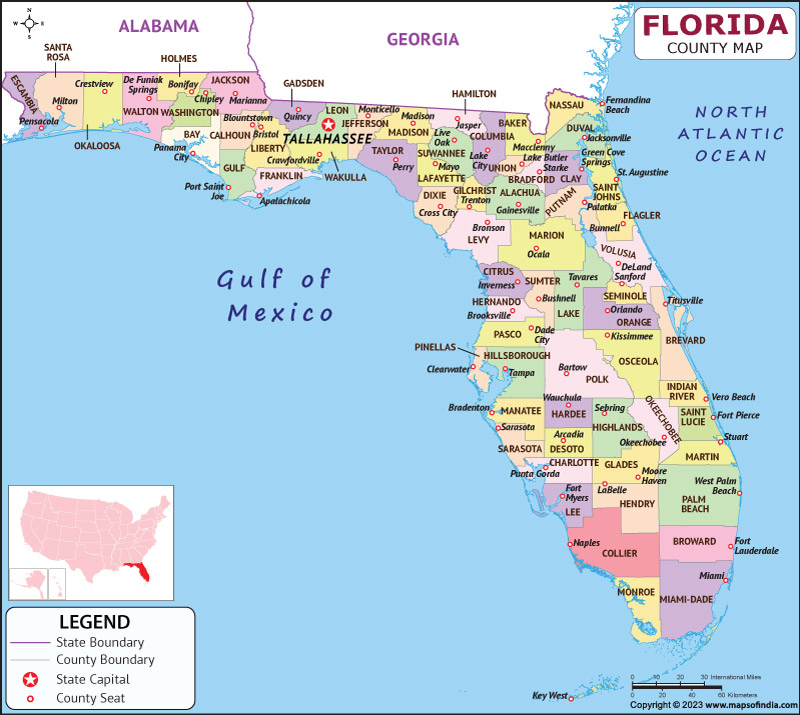
The Florida housing market is a dynamic landscape, presenting both exciting opportunities and notable challenges for prospective buyers. Understanding these nuances is crucial for making informed decisions and securing a property that truly meets your aspirations. The current environment is shaped by evolving buyer preferences, diverse community offerings, and strategic approaches to property search.The demand for specific features and amenities in Florida residences has intensified, reflecting a desire for comfort, convenience, and a lifestyle that capitalizes on the state’s unique appeal.
Obtain recommendations related to homes for sale county that can assist you today.
Buyers are increasingly prioritizing elements that enhance their living experience, from recreational facilities to technological integration and sustainable living practices.
Desirable Amenities and Features in High Demand
Prospective homeowners in Florida are actively seeking properties that offer a blend of luxury, functionality, and a connection to the state’s renowned lifestyle. This demand is driving the market towards homes that incorporate sought-after features designed to maximize enjoyment and long-term value.The following amenities are particularly popular among buyers:
- Swimming Pools: A quintessential Florida feature, private swimming pools are highly coveted for recreation, relaxation, and entertaining, especially in the warmer months.
- Waterfront Access: Properties with direct access to lakes, rivers, or the ocean offer unparalleled lifestyle benefits, including boating, fishing, and stunning views, commanding a premium in the market.
- Smart Home Technology: Integrated systems for lighting, climate control, security, and entertainment are increasingly expected, offering convenience, energy efficiency, and modern living.
- Energy-Efficient Designs: With rising energy costs and a growing environmental consciousness, buyers are drawn to homes with features like solar panels, high-performance windows, and efficient HVAC systems, reducing utility bills and environmental impact.
- Outdoor Living Spaces: Expansive lanais, screened porches, and outdoor kitchens are highly valued for extending living areas and enjoying the pleasant Florida climate year-round.
Advantages and Disadvantages of Different Florida Community Types
Florida offers a diverse range of residential communities, each with its own distinct advantages and disadvantages. The choice of community significantly impacts lifestyle, costs, and the overall homeownership experience.
| Community Type | Advantages | Disadvantages |
|---|---|---|
| Gated Communities | Enhanced security, reduced through-traffic, often well-maintained common areas, sense of exclusivity. | HOA fees can be substantial, potential restrictions on property modifications, may feel less integrated with the broader community. |
| Golf Course Developments | Access to recreational amenities, often picturesque surroundings, active social scenes, potential for property value appreciation tied to the golf course’s success. | Can be subject to noise and increased traffic, HOA fees may be higher to cover golf course maintenance, potential for limited privacy on certain lots. |
| Active Adult Communities (55+) | Age-restricted for a more compatible lifestyle, numerous social activities and clubs, amenities tailored to seniors, often lower maintenance living. | Strict age requirements exclude younger family members or guests, can feel isolating if one desires a more diverse demographic, limited housing styles. |
| Urban Neighborhoods | Proximity to jobs, entertainment, dining, and cultural attractions; often walkable or accessible via public transport; diverse housing options from condos to single-family homes. | Higher population density, potential for noise and traffic, parking can be a challenge, may have higher property taxes and insurance costs. |
Strategies for Identifying Properties Aligned with Specific Needs
Navigating the Florida housing market effectively requires a strategic approach to identifying properties that perfectly match individual requirements and aspirations. A clear understanding of one’s lifestyle, family dynamics, and future plans is paramount to a successful search.Buyers can refine their property searches by employing the following methods:
- Define Lifestyle Priorities: Clearly articulate the desired daily activities and overall lifestyle. For instance, a buyer prioritizing a quiet, nature-focused life might seek a property near a state park or with extensive garden space, while someone seeking vibrant social interaction might look for communities with robust social calendars.
- Assess Family Size and Future Plans: Consider current and future family needs. This includes determining the number of bedrooms and bathrooms required, the importance of school districts for families with children, and whether the property needs to accommodate aging parents or visiting grandchildren. For example, a growing family might prioritize homes with flexible bonus rooms or a yard for children to play.
- Utilize Advanced Search Filters: Leverage online real estate platforms and work with a knowledgeable agent to filter properties based on specific criteria. This includes setting price ranges, preferred locations, the number of bedrooms/bathrooms, lot size, and crucial amenities like a pool or waterfront access.
- Consider Commute and Proximity to Essentials: Evaluate the commute to work, as well as proximity to healthcare facilities, shopping centers, and recreational areas. For example, a professional working in a major city might look for properties within a reasonable driving distance or with good public transport links.
- Research Community Amenities and HOA Regulations: Thoroughly investigate the amenities offered by a community and understand the associated Homeowners Association (HOA) fees and regulations. This ensures that the community aligns with the buyer’s expectations regarding maintenance, lifestyle, and financial commitments.
Examining the Role of Technology in the Search for Florida Residences

The landscape of real estate, particularly for houses for sale in Florida, has been dramatically reshaped by technological advancements. What was once a process heavily reliant on in-person visits and printed listings has evolved into a dynamic, digitally-driven experience. Technology now plays a pivotal role, empowering buyers with unprecedented access to information and tools, thereby streamlining the entire journey from initial interest to final purchase.
Further details about property management budgeting software is accessible to provide you additional insights.
This digital transformation has democratized the search process, making it more efficient, informative, and ultimately, more successful for prospective homeowners.The advent of online real estate platforms has been a game-changer, fundamentally altering how individuals discover and evaluate properties. Websites and mobile applications now serve as comprehensive marketplaces, aggregating vast databases of listings with detailed descriptions, high-quality photographs, and essential property information.
These platforms are invaluable for initial property discovery, allowing buyers to cast a wide net and explore diverse neighborhoods and property types across Florida without leaving their current location. Furthermore, they offer sophisticated filtering capabilities, enabling users to narrow down their choices based on specific criteria such as price range, number of bedrooms, square footage, and desired amenities. This ability to pre-qualify options significantly reduces the time and effort spent on properties that ultimately do not meet the buyer’s fundamental needs, transforming a potentially overwhelming search into a more manageable and targeted endeavor.
Virtual Tours and Remote Property Evaluation
Virtual tours and emerging technologies are revolutionizing the way buyers can experience and assess properties, especially when physical presence is a challenge. These digital tools extend the reach of property viewing beyond geographical limitations, offering immersive experiences that mimic in-person visits.Online real estate platforms now commonly feature interactive virtual tours, often created using 360-degree photography or video. These tours allow potential buyers to virtually walk through a property, examining room layouts, finishes, and overall ambiance at their own pace.
This is particularly beneficial for out-of-state buyers or those with busy schedules who cannot easily travel for multiple viewings. Beyond static virtual tours, more advanced technologies are emerging to enhance remote evaluation.Drone footage, for instance, provides invaluable aerial perspectives of properties and their surrounding environments. This allows buyers to assess lot size, landscaping, proximity to amenities like beaches or parks, and the overall neighborhood context in a way that ground-level photos cannot capture.
For those envisioning customization or renovation, augmented reality (AR) applications are beginning to offer powerful visualization tools. These AR applications can overlay proposed design changes onto existing property images or live camera feeds, allowing buyers to visualize potential renovations, new flooring, or even furniture placement in real-time. This capability helps in making more informed decisions about a property’s potential and future value, bridging the gap between imagination and reality.
Leveraging Data Analytics for Informed Decisions, Houses for sale in florida
In today’s digital age, data analytics and market reports are indispensable tools for buyers seeking to gain a profound understanding of the Florida housing market. Accessible through various online channels, these resources provide objective insights that can significantly inform purchasing decisions and help identify opportunities.These digital tools offer a wealth of information, moving beyond simple listing details to provide a comprehensive market overview.
You also can investigate more thoroughly about office space hoteling software to enhance your awareness in the field of office space hoteling software.
Buyers can access historical sales data, median home prices, average days on market, and inventory levels for specific zip codes or even individual neighborhoods. This granular data allows for a more nuanced understanding of property values, helping buyers to determine if a property is priced competitively and to negotiate effectively.Furthermore, market reports often highlight neighborhood trends, such as population growth, new development projects, school district performance, and local economic indicators.
This information is crucial for assessing the long-term investment potential of a property and its suitability for a particular lifestyle. For example, understanding that a neighborhood is experiencing significant new commercial development might indicate future appreciation potential, while data showing a decline in school ratings could be a deterrent for families. By utilizing these data-driven insights, buyers can move beyond subjective preferences and make decisions grounded in objective market realities, increasing their confidence and the likelihood of a successful and profitable real estate investment in Florida.
Summary
In conclusion, securing a home in Florida involves a thoughtful approach, blending market awareness with personal needs. By understanding the financial landscape, legal frameworks, and emerging opportunities, prospective buyers can confidently navigate the journey to homeownership. Whether seeking a vacation retreat or a permanent residence, the Florida housing market offers compelling possibilities for those prepared to explore.
FAQ Insights: Houses For Sale In Florida
What are the most popular regions for houses for sale in Florida?
Popular regions often include South Florida (Miami, Fort Lauderdale) for its vibrant lifestyle and international appeal, Central Florida (Orlando, Tampa) for its family-friendly attractions and growing job markets, and Southwest Florida (Naples, Fort Myers) for its upscale living and beautiful Gulf Coast beaches.
Are there specific times of the year that are better to buy a house in Florida?
While good deals can be found year-round, the peak buying season in Florida typically runs from late winter through spring (February to May). However, the off-season (late summer to fall) might offer less competition and potentially more room for negotiation.
What are the typical property taxes like for homes in Florida?
Property taxes in Florida vary significantly by county and municipality. They are generally based on the assessed value of the property. Homestead exemptions can significantly reduce the taxable value for primary residences.
Is it advisable to get a home inspection even if the property looks perfect?
Absolutely. A professional home inspection is a critical step to uncover any potential hidden issues, such as structural problems, plumbing or electrical faults, or pest infestations, that might not be visible during a walkthrough. This protects your investment.
What is the average cost of closing on a home in Florida?
Closing costs in Florida typically range from 2% to 5% of the loan amount. This includes expenses like appraisal fees, title insurance, recording fees, attorney fees, and prepaid items like property taxes and homeowner’s insurance.