Sell from home sets the stage for this enthralling narrative, offering readers a glimpse into a story that is rich in detail with casual formal language style and brimming with originality from the outset.

This comprehensive guide delves into the multifaceted appeal of generating income from the comfort of one’s dwelling, identifying promising avenues for establishing a thriving business operation within your personal living space. We will explore how to construct a functional and inspiring workspace conducive to productivity, navigate the digital landscape for effective marketing and distribution, manage operational demands, and cultivate resilience to overcome unique challenges.

Whether you’re seeking greater flexibility, reduced overhead, or a better work-life balance, this exploration provides actionable insights and practical strategies for success.

Uncovering the Multifaceted Appeal of Generating Income from the Comfort of One’s Dwelling

The allure of earning a livelihood without the daily commute and the confines of a traditional office is undeniable. For many, selling from home represents more than just a job; it’s a gateway to a more fulfilling and adaptable way of life. This shift in work paradigms has been fueled by technological advancements, evolving societal values, and a growing desire for personal control over one’s professional journey.

The ability to integrate income generation seamlessly with personal responsibilities and passions forms the bedrock of this appeal, offering a potent blend of financial reward and enhanced well-being.The diverse motivations behind choosing to sell from home are as varied as the individuals themselves. At its core, the desire for flexibility stands out as a primary driver. This isn’t merely about choosing when to work, but about having the agency to align work hours with personal needs, whether it’s caring for children, managing elder care responsibilities, pursuing further education, or simply carving out dedicated time for hobbies and personal growth.

This adaptability can significantly reduce stress and prevent the feeling of being perpetually “on” or overwhelmed. Furthermore, the reduction in overhead costs associated with a home-based business is a significant financial incentive. Eliminating expenses like daily commuting, professional attire, lunches out, and the costs associated with maintaining a separate office space can lead to substantial savings, directly increasing profit margins and overall financial well-being.

The concept of work-life balance is also profoundly impacted. By eliminating the geographical and temporal separation between professional and personal life, individuals can foster a more integrated and harmonious existence. This allows for more spontaneous family moments, greater involvement in community activities, and the ability to prioritize personal health and well-being without compromising career aspirations.

Tailored Advantages for Diverse Personalities and Life Circumstances

The intrinsic advantages of generating income from home resonate differently depending on an individual’s unique personality traits and current life stage. For the introverted individual who thrives in quiet environments and finds social interactions draining, a home-based business eliminates the constant barrage of office chatter and obligatory social engagements. They can focus deeply on their tasks, nurture client relationships through thoughtful digital communication, and create a work environment perfectly suited to their energy levels.

Consider a talented graphic designer who prefers deep concentration over open-plan offices; selling their design services online allows them to work in solitude, producing high-quality work without the distractions of a bustling office.For parents or primary caregivers, the ability to work from home is often a non-negotiable requirement. This allows them to be physically present for their children, manage school runs, attend to unexpected illnesses, and be available for important milestones, all while maintaining a professional income stream.

A stay-at-home parent who starts an online craft business, for instance, can manage their inventory during nap times and fulfill orders after the children are in bed, effectively merging their roles without sacrificing their financial contribution to the household.Individuals with mobility challenges or chronic health conditions find immense value in a home-based income. It removes the physical barriers and potential accessibility issues often present in traditional workplaces, allowing them to earn a living with dignity and comfort.

An individual with a chronic illness, for example, can set their own pace, take necessary breaks without seeking permission, and work from a space that is ergonomically tailored to their needs, thereby improving their quality of life and enabling sustained employment.Moreover, the entrepreneurial spirit finds fertile ground at home. Those who are self-motivated, enjoy problem-solving, and have a vision for their own business can leverage the low barrier to entry offered by home-based ventures.

A budding author who self-publishes and markets their books online, or a skilled baker who sells custom cakes through social media, exemplify how passion and skill can be directly translated into income with minimal upfront investment in physical infrastructure. The adaptability of home-based work also appeals to those who travel frequently or have partners with demanding careers that require relocation; they can often take their work with them, maintaining continuity and stability.

Emotional and Psychological Benefits of Home-Based Income

Establishing a home-based income stream offers profound emotional and psychological benefits that extend far beyond financial gain. A cornerstone of this is the profound sense of autonomy it cultivates. When individuals are in control of their work schedule, their work environment, and the direction of their business, they experience a heightened sense of agency and self-determination. This freedom from external managerial oversight and rigid corporate structures fosters a feeling of empowerment, allowing individuals to make decisions that align with their personal values and professional goals.

This autonomy can be incredibly liberating, particularly for those who have felt stifled in previous employment.The feeling of accomplishment derived from building and sustaining a home-based income is equally significant. Witnessing the direct results of one’s efforts, from securing a new client to seeing a product sell successfully, provides tangible proof of capability and competence. This iterative process of setting goals, executing plans, and achieving desired outcomes builds confidence and self-esteem.

It transforms the abstract concept of “work” into a concrete manifestation of personal effort and ingenuity. For instance, a freelance writer who lands a prestigious contract after months of persistent outreach experiences a surge of pride and validation that is deeply rewarding.Furthermore, the integration of work and personal life, when managed effectively, can lead to a significant reduction in stress and burnout.

The elimination of stressful commutes, the ability to take breaks when needed, and the overall control over one’s daily rhythm contribute to a more balanced and less demanding lifestyle. This can foster improved mental health, allowing for greater presence in personal relationships and a more relaxed overall disposition. The psychological relief of not having to navigate office politics or adhere to rigid schedules can be immense, leading to greater job satisfaction and a more positive outlook on life.The creativity and innovation fostered by a home-based environment also contribute to psychological well-being.

When individuals are free to experiment, to design their workspace, and to approach challenges in their own way, their natural inclination towards creativity is unlocked. This can lead to a more engaging and fulfilling work experience, where problem-solving becomes an enjoyable aspect of the day rather than a source of dread. The ability to personalize one’s work setting, from the ambient music to the décor, can also create a more inspiring and comfortable atmosphere, further enhancing emotional resilience and productivity.

Ultimately, earning from home can lead to a more authentic and self-directed life, fostering a deep sense of purpose and contentment.

Identifying Promising Avenues for Establishing a Thriving Business Operation Within One’s Personal Living Space

Sell from home

Establishing a successful home-based business requires a strategic approach to identifying and evaluating opportunities that align with personal strengths and market needs. This involves a systematic process of brainstorming, assessing feasibility, and understanding the foundational elements required for launch. The goal is to pinpoint ventures that not only leverage the convenience of working from home but also possess the potential for sustainable growth and profitability.The journey from a simple idea to a functioning business from your residence is paved with thoughtful planning and diligent execution.

It’s about more than just having a spare room; it’s about understanding the dynamics of the market, recognizing your own capabilities, and building a robust framework that supports your entrepreneurial aspirations. This section delves into the critical aspects of uncovering these opportunities and laying the groundwork for their success.

Framework for Brainstorming and Evaluating Home-Based Business Ideas

To effectively identify and select a viable home-based business, a structured brainstorming and evaluation framework is essential. This process should begin by looking inward, identifying personal skills, passions, and existing knowledge that can be translated into a service or product. Consider what problems you are adept at solving, what hobbies you have that could be monetized, or what professional experiences have equipped you with unique expertise.

Following this self-assessment, the next step is to shift focus outward to the market. Researching current trends, identifying unmet needs, and analyzing the competitive landscape are crucial. Tools like research, social media listening, and competitor analysis can provide valuable insights into market demand.Once a pool of potential ideas is generated, a rigorous evaluation process must be implemented. This involves assessing each idea against several key criteria.

Firstly, market demand: is there a demonstrable need for this product or service, and is the target audience willing and able to pay for it? Secondly, personal aptitude and interest: do you possess the necessary skills, or can you acquire them? More importantly, are you genuinely passionate about this venture, as this will be a significant driver of perseverance through challenges?

Thirdly, profitability potential: can the business generate sufficient revenue to cover costs and provide a satisfactory income? This requires a preliminary analysis of pricing, potential sales volume, and operational expenses. Fourthly, scalability: does the business have the potential to grow over time, or is it inherently limited in scope? Finally, logistical feasibility: can the business be realistically operated from your home, considering space, equipment, and any potential disruptions to household life?

A scoring system or a pros and cons list for each idea can help in objectively comparing options. For instance, a freelance graphic designer might score high on personal aptitude and market demand but potentially lower on scalability if they are the sole service provider without plans for expansion. Conversely, an e-commerce store selling handmade crafts might score well on passion and market demand but require careful consideration of inventory management and shipping logistics from a home setting.

Obtain a comprehensive document about the application of homes for sale county that is effective.

Popular and Emerging Home-Based Business Categories

The landscape of home-based businesses is continually evolving, offering a diverse range of opportunities for entrepreneurs. These categories span various industries, catering to different skill sets and market demands. Understanding these popular and emerging areas can spark inspiration and guide your business exploration.

  • Online Services and Consulting: This broad category encompasses a multitude of roles where expertise is delivered digitally. Examples include freelance writing and editing, virtual assistance, social media management, digital marketing consulting, services, and IT support. The demand for these services is high as businesses increasingly rely on external specialists to manage their online presence and operational efficiency.
  • E-commerce and Online Retail: Selling physical or digital products online has become a cornerstone of home-based entrepreneurship. This includes operating an online store through platforms like Shopify or Etsy, dropshipping, selling handmade crafts, curating niche product collections, or even creating and selling digital products such as e-books, online courses, or software.
  • Creative and Design Services: For those with artistic and design talents, home-based opportunities abound. This includes graphic design, web design, illustration, photography (with a home studio or for digital editing), video editing, interior design consulting, and custom art creation. The ability to showcase portfolios online makes these services highly accessible.
  • Education and Coaching: Sharing knowledge and skills is a rewarding home-based business. This can involve online tutoring for academic subjects, language instruction, music lessons, life coaching, business coaching, fitness coaching, or developing and selling online courses on platforms like Teachable or Udemy.
  • Crafts and Handmade Goods: The appreciation for unique, artisanal products continues to grow. Individuals with skills in crafting, sewing, jewelry making, woodworking, or baking can establish successful businesses selling their creations online through platforms like Etsy, at local markets, or via their own websites.
  • Emerging Categories:
    • Subscription Box Services: Curating and delivering themed boxes of products on a recurring basis (e.g., beauty products, gourmet snacks, pet supplies).
    • Personalized Product Creation: Utilizing technologies like 3D printing or advanced customization software to offer unique, tailored items.
    • Remote Technical Support and Cybersecurity Consulting: As technology becomes more integral to daily life and business operations, specialized remote support and security services are in high demand.
    • Virtual Event Planning and Management: Organizing and executing online conferences, webinars, workshops, and virtual social gatherings.
    • Content Creation and Monetization: Building an audience through blogging, vlogging (YouTube), podcasting, or social media, and monetizing through advertising, sponsorships, affiliate marketing, or selling merchandise.

Essential Initial Steps for Launching a Home-Based Venture

Successfully launching a home-based business involves more than just having a great idea; it requires meticulous planning and adherence to essential legal and operational steps. These foundational elements ensure that your venture is built on a solid footing, minimizing risks and maximizing the potential for long-term success.The first crucial step is comprehensive business planning. This involves articulating your business vision, defining your target market, outlining your products or services, and detailing your marketing and sales strategies.

A well-structured business plan acts as a roadmap, guiding your decisions and helping you anticipate challenges. It should include a financial plan that forecasts startup costs, operating expenses, and revenue projections. For example, a freelance writer needs to project income based on hourly rates or project fees, and account for costs like software subscriptions, internet, and professional development.Following the business plan, legal and administrative considerations are paramount.

This includes selecting an appropriate business structure (sole proprietorship, partnership, LLC, or corporation), which has implications for taxation and liability. Registering your business name, obtaining any necessary federal, state, or local licenses and permits, and securing an Employer Identification Number (EIN) if required are critical. For instance, a home-based bakery might need food handling permits and health inspections, while a consulting business might require a general business license.

Understanding and complying with tax obligations, including income tax and any sales tax requirements, is also vital. Setting up a separate business bank account is highly recommended to keep personal and business finances distinct, simplifying accounting and tax preparation.The final set of initial steps involves establishing your operational infrastructure and marketing presence. This includes setting up a dedicated workspace within your home, ensuring it is conducive to productivity and meets any specific equipment needs.

Investing in necessary tools, software, and equipment is essential. For a web designer, this might mean powerful computer hardware and design software; for a crafter, it could be specialized tools and materials. Developing a professional online presence, including a website or professional social media profiles, is crucial for reaching your target audience. Finally, creating a system for managing customer inquiries, orders, and payments, and establishing clear communication channels, will set the stage for smooth operations.

For example, an online tutor needs a reliable video conferencing platform and a system for scheduling appointments and receiving payments.

Constructing a Functional and Inspiring Workspace Conducive to Productivity and Professional Output

Establishing a dedicated home office is more than just setting up a desk; it’s about cultivating an environment that fosters focus, creativity, and sustained productivity. A well-designed workspace can significantly impact your output, mood, and overall well-being when working from home. It requires a thoughtful approach to layout, furniture, and the integration of elements that promote both efficiency and inspiration.

Do not overlook explore the latest data about Cheap Mobile Homes for Sale in Palm Beach County.

This section delves into the critical components of creating such a space, ensuring it serves as a true hub for your professional endeavors.The creation of an effective home office setup is a strategic endeavor that balances practical needs with personal preferences. It’s about building a physical manifestation of your professional self within your living space, one that encourages engagement and minimizes external disruptions.

The core of this setup lies in understanding the interplay between physical comfort, mental clarity, and the tools that enable your work.

Key Elements of an Effective Home Office Setup

An effective home office setup prioritizes a harmonious blend of ergonomic design, psychological comfort, and strategic placement of resources to maximize focus and minimize interruptions. The goal is to create a sanctuary for work, where every element contributes to a productive workflow.The foundation of any productive workspace is excellent ergonomics. This involves selecting furniture and arranging your setup in a way that supports good posture and reduces physical strain.

A comfortable chair that offers lumbar support and adjustable height is paramount. Similarly, the desk should be at a height that allows your arms to rest comfortably at a 90-degree angle when typing, with your feet flat on the floor. Monitor placement is also crucial; the top of the screen should be at or slightly below eye level to prevent neck strain.

Natural light is a powerful ally in combating fatigue and improving mood, so positioning your desk near a window, if possible, is highly beneficial. However, direct glare should be managed with blinds or curtains. Artificial lighting should be layered, with ambient light for general illumination and task lighting for focused work.Beyond physical comfort, the psychological aspects of the workspace are equally important.

Minimizing distractions is a key strategy. This includes visual clutter, which can fragment attention, and auditory distractions. Consider soundproofing solutions like thick rugs, curtains, or even acoustic panels if noise is a significant issue. Personalizing the space with elements that inspire you, such as plants, artwork, or motivational quotes, can enhance your connection to your work and boost creativity. However, it’s essential to strike a balance; too much personal decor can become distracting itself.

The technology you employ should be reliable and integrated seamlessly, with cables managed to avoid visual noise and potential hazards. The overall aesthetic should be clean, organized, and conducive to the type of work you perform. For instance, a graphic designer might benefit from a more visually stimulating environment, while a writer might prefer a more minimalist and tranquil setting.

Maximizing Limited Space for a Home-Based Business

Operating a business from a limited living space presents unique challenges, requiring ingenuity in maximizing every available square foot. The objective is to create a functional and professional environment without compromising the comfort and livability of your home. This often involves strategic choices in furniture, organization, and the utilization of vertical space.Clever storage solutions are fundamental to maintaining order in a compact home office.

Instead of relying on bulky filing cabinets, consider wall-mounted shelves, floating shelves, or modular storage units that can be adapted to your needs. Vertical space is often underutilized; think about using the wall area above your desk for storing frequently accessed items, or utilizing tall, narrow bookcases. Desk organizers, drawer dividers, and cable management systems are invaluable for keeping small items tidy and preventing clutter from accumulating.

Pegboards can be exceptionally versatile, allowing you to hang tools, supplies, and even decorative items, keeping them visible and accessible. When choosing furniture, prioritize pieces that serve multiple purposes. A storage ottoman can provide extra seating and a place to store documents or office supplies. A desk with built-in drawers or shelving offers integrated storage. Consider a printer stand with compartments for paper and ink.Multi-functional furniture is a cornerstone of space optimization.

A fold-down desk or a wall-mounted table can be stowed away when not in use, freeing up floor space. Convertible furniture, such as a sofa bed that can double as a guest bed and a workspace when needed, can be ideal for very small apartments. If you have a dedicated room, even a small one, consider a Murphy bed that folds into the wall, transforming a bedroom into an office during the day.

For shared spaces, creative solutions like room dividers or screens can delineate work areas without permanent structural changes. A corner desk can make efficient use of often-awkward spaces. Even the space under your desk can be utilized with rolling storage carts or low-profile drawers. The key is to think creatively about how each piece of furniture and every storage solution can contribute to both functionality and the illusion of space.

Establishing Clear Boundaries Between Work and Personal Life, Sell from home

The integration of work into the home environment necessitates a conscious effort to establish and maintain clear boundaries between professional responsibilities and personal life. Without these distinctions, the lines can blur, leading to burnout, decreased productivity, and an erosion of personal time. Creating these separations is vital for mental well-being and long-term success.One of the most effective strategies for separating work and personal life is the creation of a dedicated physical workspace.

Ideally, this is a separate room with a door that can be closed, signaling a clear transition into and out of work mode. If a separate room isn’t feasible, designate a specific corner or area of a room solely for work. This area should be equipped with everything you need for your job, and importantly, it should be left behind when you finish your workday.

This physical separation helps your brain associate that space with work and other areas of your home with relaxation and personal activities. The act of “leaving” your workspace at the end of the day, even if it’s just a few steps, reinforces the boundary.Beyond physical separation, establishing clear temporal boundaries is equally crucial. This involves setting specific work hours and sticking to them as much as possible.

Communicate these hours to family members and colleagues to manage expectations. Avoid checking work emails or taking calls outside of these designated times, unless it’s an absolute emergency. Creating a “shutdown ritual” at the end of your workday can be incredibly beneficial. This might involve tidying your desk, saving your work, planning for the next day, and then consciously closing down your computer.

This ritual signals the end of your professional day and helps you transition mentally into your personal time. Similarly, having a “start-up ritual” in the morning can help you prepare for the workday. For those sharing living spaces, clear communication is key. Discuss with housemates or family members about respecting your work hours and your dedicated workspace. Using visual cues, such as a sign on your door or a specific time when you’re unavailable, can help reinforce these boundaries.

It’s also important to schedule regular breaks throughout the day to step away from your workspace, stretch, and engage in non-work-related activities, which helps prevent mental fatigue and reinforces the idea that work is not all-consuming.

Developing robust strategies for managing the operational and logistical demands of a home-based enterprise: Sell From Home

20+ Best Products to Sell From Home

Successfully transitioning to or operating a home-based business requires a keen focus on the often-overlooked operational and logistical aspects. While the flexibility and comfort of working from home are significant draws, maintaining efficiency and professionalism hinges on implementing structured systems. This section delves into the critical components that ensure a home-based enterprise runs smoothly, from managing your stock to handling finances and shipping.

It’s about building a solid foundation that supports growth and minimizes stress.

Inventory Management for Home-Based Businesses

Effective inventory management is paramount for any business, and home-based operations are no exception. It directly impacts customer satisfaction, reduces waste, and influences profitability. For a home-based enterprise, this often involves a more hands-on approach, requiring diligent tracking and organization within limited space. The core objective is to always know what you have, where it is, and when you need to reorder, all while ensuring timely fulfillment of customer orders.Essential components of an efficient inventory management system include:

  • Stock Level Tracking: This involves consistently monitoring the quantity of each product on hand. For small businesses, this can range from a simple spreadsheet to dedicated inventory management software. Key metrics to track include current stock, reorder points (the level at which new stock should be ordered), and lead times from suppliers. For instance, if a popular item sells an average of 10 units per week and takes two weeks to restock, the reorder point should be set at least 20 units to avoid stockouts.

  • Product Identification: Each item should have a unique identifier, such as a SKU (Stock Keeping Unit) or barcode. This simplifies tracking, especially when dealing with variations of a product (e.g., different sizes or colors). A consistent naming convention and numbering system are crucial for accuracy.
  • Storage and Organization: Given the home environment, optimizing storage space is vital. This means designating specific areas for inventory, using shelving units, clear bins, and labeling everything meticulously. Implementing a “first-in, first-out” (FIFO) system, where older stock is sold before newer stock, is particularly important for perishable goods or items with expiration dates, preventing obsolescence and spoilage.
  • Order Fulfillment Process: This encompasses the steps from receiving an order to shipping it out. A streamlined process ensures accuracy and speed. It typically involves picking the correct items from inventory, verifying quantities, packaging them securely, and generating shipping labels. For home-based sellers, dedicating a specific area for packing and dispatch can significantly improve efficiency.
  • Regular Audits: Periodically conducting physical counts of inventory and comparing them to recorded levels is essential to identify discrepancies. These discrepancies could be due to theft, damage, or errors in recording. Regular audits help maintain data integrity and uncover potential issues before they become significant problems.

Shipping and Fulfillment Options for Home-Based Sellers

Choosing the right shipping and fulfillment strategy is a critical decision for home-based businesses, directly impacting customer experience, costs, and scalability. The options available offer varying levels of control, convenience, and expense. Understanding the pros and cons of each allows sellers to select the most suitable approach for their specific products and customer base.Here’s a comparison of common shipping and fulfillment options:

  • Self-Fulfillment: This is the most common approach for home-based businesses, where the seller handles all aspects of picking, packing, and shipping orders from their residence.
    • Pros: Full control over packaging and presentation, direct interaction with products, potentially lower per-order costs if managed efficiently, flexibility in shipping schedules.
    • Cons: Time-consuming, requires dedicated space for storage and packing, can be challenging to scale as order volume increases, requires managing shipping carrier relationships and tracking.
  • Third-Party Logistics (3PL) Providers: These companies manage warehousing, inventory, order fulfillment, and shipping on behalf of businesses.
    • Pros: Frees up significant time for the seller, access to professional warehousing and logistics expertise, scalability to handle high order volumes, often better shipping rates due to bulk negotiations.
    • Cons: Can be expensive, especially for businesses with low order volumes, less direct control over the customer experience and packaging, requires careful selection of a reputable provider. For example, a small craft business might find the monthly fees of a 3PL prohibitive until their sales reach a certain threshold.
  • Dropshipping: In this model, the seller does not keep inventory on hand. Instead, when an order is placed, it is forwarded to a third-party supplier who ships the product directly to the customer.
    • Pros: No inventory management required, low startup costs, wide product selection possible, easy to test new products.
    • Cons: Lower profit margins, less control over product quality and shipping times, customer service can be complex when dealing with multiple suppliers, potential for stockouts if supplier inventory isn’t updated in real-time.
  • Marketplace Fulfillment (e.g., Amazon FBA, Etsy Fulfillment): Some e-commerce platforms offer their own fulfillment services, where sellers send their inventory to the platform’s warehouses, and the platform handles storage, packing, and shipping.
    • Pros: Leverages the platform’s established logistics network, can increase visibility and trust on the platform, simplifies the fulfillment process for sellers already using that marketplace.
    • Cons: Fees associated with the service, inventory must be sent to the platform’s warehouse, potential for commingled inventory (though often avoidable), reliance on the platform’s rules and policies.

The ideal choice often involves a phased approach, starting with self-fulfillment and potentially moving to a 3PL as the business grows and demands increase.

Financial Record-Keeping and Tax Preparation for Home-Based Businesses

Maintaining meticulous financial records and preparing for taxes are not just legal obligations for home-based businesses; they are fundamental to understanding your business’s health, making informed decisions, and ensuring long-term sustainability. Operating from your residence introduces specific considerations, particularly regarding home office deductions and separating business and personal expenses. Proactive organization is key to avoiding headaches during tax season and beyond.The importance of financial record-keeping and tax preparation stems from several critical areas:

  • Profitability Analysis: Accurate records allow you to track income and expenses, providing a clear picture of your business’s profitability. This enables you to identify which products or services are most profitable, where costs can be reduced, and whether your pricing strategy is effective. Without this data, making strategic business decisions becomes guesswork.
  • Legal Compliance: Tax authorities require businesses to report their income and pay taxes accordingly. Proper record-keeping ensures you can accurately report your financial activities and avoid penalties, audits, or legal issues. This includes understanding and complying with all relevant local, state, and federal tax regulations.
  • Business Valuation: If you ever plan to sell your business, seek investment, or apply for loans, well-maintained financial records are essential for demonstrating its value and financial stability. Lenders and investors will scrutinize your financial history.
  • Expense Tracking and Deductions: Home-based businesses can often claim deductions for business expenses, including a portion of home office expenses (rent, utilities, mortgage interest), supplies, equipment, travel, and professional development. Accurate tracking is necessary to maximize these deductions legally. For example, the IRS allows a simplified option for home office deduction, calculating it at a rate of $5 per square foot of home office space, up to a maximum of 300 square feet.

    Alternatively, you can calculate the actual expenses.

To facilitate robust financial record-keeping and tax preparation, consider the following organizational tools and best practices:

  • Dedicated Business Bank Account and Credit Card: This is arguably the most crucial step. Keeping business finances separate from personal finances prevents confusion, simplifies tracking, and is vital for tax purposes. All business income should be deposited into the business account, and all business expenses paid from it.
  • Accounting Software: Tools like QuickBooks, Xero, Wave, or Zoho Books can automate many accounting tasks, from invoicing and expense tracking to generating financial reports. They offer features tailored for small businesses and can significantly reduce manual data entry errors. Many offer free or low-cost plans for startups.
  • Spreadsheets: For very small or new businesses with simpler financial structures, well-organized spreadsheets (e.g., using Google Sheets or Microsoft Excel) can be a viable starting point. However, they require more manual input and are prone to errors as the business grows.
  • Receipt Management: Develop a system for capturing and organizing all business receipts. This can involve using a scanner and digital storage, mobile apps that allow you to photograph receipts, or a physical filing system. Ensure receipts are categorized and stored securely.
  • Regular Reconciliation: At least monthly, reconcile your bank statements and credit card statements with your accounting records. This ensures that all transactions are accounted for and helps catch any errors or discrepancies promptly.
  • Consult with a Tax Professional: Even with excellent record-keeping, consulting with a qualified accountant or tax advisor is highly recommended. They can provide expert guidance on tax laws, deductions, and strategies specific to your business and industry, ensuring you are compliant and maximizing your tax benefits.

By implementing these practices, home-based entrepreneurs can build a strong financial foundation that supports their business’s growth and ensures compliance with all tax obligations.

Cultivating Resilience and Adaptability in Home-Based Entrepreneurship

Sell from home

Operating a business from the comfort of your home presents a unique set of opportunities and challenges. While the flexibility and autonomy are significant advantages, the inherent nature of a home-based enterprise can also foster specific obstacles that require a proactive and adaptable mindset to navigate successfully. Building resilience isn’t just about bouncing back from setbacks; it’s about developing the foresight and strategies to anticipate and mitigate potential difficulties before they significantly impact your operations and well-being.

This involves a conscious effort to cultivate robust coping mechanisms and a flexible approach to problem-solving, ensuring that your entrepreneurial journey remains sustainable and fulfilling.The journey of a home-based entrepreneur is rarely a straight line. It’s a dynamic process that demands constant adjustment and a willingness to learn from every experience. This section delves into the essential elements of building that crucial resilience and adaptability, focusing on practical strategies to overcome common hurdles and foster long-term success.

By understanding and implementing these principles, you can transform potential challenges into opportunities for growth and innovation, solidifying your position as a capable and thriving home-based business owner.

Proactive Obstacle Mitigation Strategies

The landscape of home-based business operations is often characterized by a unique set of challenges that, while manageable, require deliberate attention. Isolation, for instance, can creep in without the natural social interactions of a traditional office environment. Time management, while seemingly a benefit of working from home, can become a double-edged sword, blurring the lines between personal and professional life.

Furthermore, unexpected technical issues can bring operations to a standstill if not addressed with preparedness. A proactive approach to these common obstacles is paramount for maintaining productivity and mental well-being.To address isolation, establishing a routine that incorporates external interaction is vital. This can involve scheduling regular video calls with clients or collaborators, joining online professional communities, or even dedicating time for co-working sessions at a local café or library.

For time management, implementing strict scheduling tools and techniques is essential. Time blocking, where specific periods are allocated for particular tasks, and the Pomodoro Technique, which uses timed intervals for work and breaks, can significantly enhance focus and prevent burnout. It’s also beneficial to define clear working hours and communicate these to family members or housemates to establish boundaries.Unexpected technical issues, such as internet outages or software malfunctions, can be mitigated through a combination of preventative measures and contingency planning.

Investing in reliable technology, including a backup internet connection or a power generator, can be a wise long-term investment. Maintaining updated software and hardware, and having a list of trusted IT support contacts readily available, can minimize downtime. Furthermore, developing offline workflows for critical tasks ensures that work can continue even when digital systems are temporarily unavailable.

“Resilience is not a single event but a process of adaptation and growth in the face of adversity.”

Building a Supportive Network

The entrepreneurial journey, particularly when conducted from home, can sometimes feel solitary. However, the power of a strong support network cannot be overstated. Connecting with fellow home-based business owners provides invaluable opportunities for shared learning, encouragement, and mutual problem-solving. These individuals understand the unique nuances and challenges of operating from an abode, offering perspectives and advice that are directly applicable to your situation.

Such a network acts as a vital buffer against feelings of isolation and provides a sense of community that is crucial for sustained motivation and professional development.Building this network doesn’t require grand gestures; it often starts with small, consistent efforts. Online platforms are a primary avenue for connection. LinkedIn groups focused on entrepreneurship, small business, or specific industries can be excellent starting points.

Facebook groups dedicated to home-based businesses or freelancers often foster active discussions and offer a space for asking questions and sharing experiences. Consider platforms like Reddit, where subreddits exist for almost every niche imaginable, including those for remote workers and small business owners. Attending virtual conferences and webinars also presents opportunities to engage with like-minded individuals, often facilitated through networking sessions or dedicated Q&A forums.Beyond online communities, local meetups, even if they are infrequent, can offer a more personal connection.

Search for local small business associations or entrepreneur groups in your area. If none exist, consider initiating one yourself. Even a small, informal gathering of a few home-based entrepreneurs can provide a powerful sense of camaraderie. Don’t underestimate the value of reaching out to individuals you admire or whose work resonates with you; many are open to connecting and sharing their insights.

Remember that networking is a two-way street; be prepared to offer your support and expertise to others in your network as well.

Discover the crucial elements that make office space hoteling software the top choice.

  • Industry-Specific Forums: Participate in online forums or groups tailored to your specific industry. This allows for targeted discussions and problem-solving with peers who face similar market challenges.
  • Mentorship Programs: Seek out formal or informal mentorship opportunities. A mentor can offer guidance based on their own experiences, providing invaluable wisdom and support.
  • Co-working Spaces (Virtual or Physical): Even occasional use of a co-working space, or participation in virtual co-working sessions, can foster a sense of shared purpose and combat isolation.
  • Mastermind Groups: Form or join a mastermind group, a small, self-selected group of peers who meet regularly to discuss challenges, share accountability, and offer solutions.

Continuous Learning and Skill Development

The business landscape is in a perpetual state of flux, and for home-based entrepreneurs, staying relevant and competitive hinges on a commitment to continuous learning and skill development. The agility that a home-based operation affords can be leveraged to pivot and adapt to new market demands, technological advancements, and evolving customer expectations. Without the structured training often found in larger organizations, the onus falls squarely on the individual to actively seek out knowledge and refine their capabilities.

This dedication to lifelong learning is not merely an optional add-on; it is a fundamental pillar for ensuring the long-term success and evolution of any home-based enterprise.Identifying areas for growth often begins with an honest assessment of current skills and an understanding of where the business needs to go. This might involve analyzing market trends, identifying competitor strategies, or recognizing gaps in your service or product offerings.

For instance, if your business relies heavily on digital marketing, staying abreast of the latest algorithms, social media trends, and content creation techniques is crucial. Similarly, if you are increasingly relying on e-commerce, understanding online payment gateways, cybersecurity best practices, and customer relationship management (CRM) software becomes paramount.The avenues for learning are diverse and accessible. Online courses and certifications from reputable platforms like Coursera, edX, Udemy, and Skillshare offer structured learning experiences across a vast array of subjects, from digital marketing and graphic design to financial management and leadership.

Industry-specific publications, podcasts, and blogs provide up-to-date insights and expert opinions. Attending virtual workshops and conferences allows for direct interaction with thought leaders and peers. Furthermore, practical application is a powerful teacher; actively seeking out projects that push your boundaries and require you to acquire new skills is an effective way to foster growth.

“The only way to do great work is to love what you do. And if you haven’t found it yet, keep looking. Don’t settle.”

Steve Jobs

Area of Growth Learning Avenues Impact on Home-Based Business
Digital Marketing & Online courses (Google Analytics, SEMrush), industry blogs, webinars Increased online visibility, customer acquisition, and lead generation.
Financial Management & Accounting Online courses (QuickBooks, Xero), accounting software tutorials, financial planning workshops Improved profitability, better cash flow management, and informed investment decisions.
Customer Relationship Management (CRM) CRM software training (HubSpot, Salesforce), customer service best practices Enhanced customer loyalty, personalized communication, and streamlined sales processes.
Productivity & Time Management Tools Apps (Asana, Trello, Notion), productivity webinars, time management techniques Increased efficiency, reduced stress, and better work-life balance.
Cybersecurity & Data Protection Online security courses, government cybersecurity resources, IT professional consultations Safeguarding sensitive business and customer data, maintaining trust, and preventing breaches.

Concluding Remarks

In conclusion, the journey of establishing and nurturing a successful business from home is a dynamic and rewarding endeavor. By understanding the diverse motivations, identifying viable business models, creating an optimized workspace, mastering digital marketing, managing operations efficiently, and fostering resilience, individuals can unlock significant personal and financial growth. The ability to sell from home offers a unique blend of autonomy and accomplishment, proving that a fulfilling career can indeed be built within the sanctuary of one’s own abode.

Answers to Common Questions

What are the biggest challenges of selling from home?

Common challenges include maintaining work-life balance, combating isolation, managing distractions, and ensuring consistent productivity. Establishing clear boundaries and a dedicated workspace are crucial for mitigating these issues.

Do I need special equipment to start selling from home?

The equipment needed varies greatly depending on the business. Basic needs might include a reliable computer, internet connection, and a smartphone. For physical products, you might need packaging supplies or specialized tools.

How can I build trust with customers when I’m selling from home?

Building trust involves excellent customer service, transparent communication, providing high-quality products or services, and managing expectations effectively. Consistent positive reviews and a professional online presence are also vital.

Is it difficult to manage inventory when selling from home?

Inventory management can be challenging, especially with limited space. Utilizing inventory tracking software or simple spreadsheets, and adopting a just-in-time inventory approach where feasible, can help manage stock levels efficiently.

What are the legal requirements for selling from home?

Legal requirements vary by location and business type. They can include business registration, obtaining necessary permits or licenses, understanding tax obligations, and adhering to consumer protection laws.

Florida homes offer a fascinating blend of architectural diversity, climate resilience, and vibrant lifestyle opportunities. This exploration delves into the unique characteristics that define residential properties in the Sunshine State, from their distinctive design influences to the practical considerations of ownership.

We will navigate the varied climatic challenges and economic landscapes, uncover the appealing lifestyle amenities and community dynamics, and investigate the growing trends in sustainable design. Furthermore, essential guidance for first-time homebuyers entering the Florida market will be provided, ensuring a well-rounded understanding of what it means to own a piece of paradise.

Unveiling the Diverse Architectural Styles Present in Florida Residences: Florida Homes

Florida homes

Florida’s housing landscape is a vibrant tapestry woven from a rich history and its unique subtropical climate. This blend has fostered a remarkable array of architectural styles, each contributing to the state’s distinctive aesthetic. From the grandeur of Mediterranean Revival to the sleek simplicity of Mid-Century Modern and the breezy charm of Coastal designs, Florida homes offer a captivating study in form, function, and local adaptation.

Understanding these styles provides invaluable insight into the state’s development and the enduring appeal of its residential architecture.The evolution of Florida’s architectural vernacular is deeply intertwined with its historical periods and geographical nuances. Early settlement patterns, economic booms, and the influx of diverse populations have all left their indelible mark. The warm climate, abundant sunshine, and occasional hurricane threats have also played a crucial role in shaping design choices, prioritizing features that offer comfort, resilience, and a connection to the outdoors.

This constant interplay between cultural influences and environmental considerations has resulted in a collection of styles that are not only visually appealing but also remarkably suited to life in the Sunshine State.

Key Architectural Styles Shaping Florida Homes

Florida’s residential architecture is characterized by a fascinating confluence of styles, each with its own defining features and historical context. These styles often reflect the eras in which they gained prominence and the specific needs and aspirations of their inhabitants.Mediterranean Revival, a style that experienced a significant resurgence in Florida during the early 20th century, particularly in cities like Palm Beach and Coral Gables, draws inspiration from the architecture of Spain, Italy, and North Africa.

It evokes a sense of timeless elegance and old-world charm. Mid-Century Modern, which flourished from the 1940s to the 1960s, especially in areas like Sarasota and Miami, embodies a spirit of optimism and innovation, emphasizing clean lines and a seamless integration with nature. Coastal styles, a more recent yet highly popular category, are a broad classification encompassing designs that prioritize a connection to the ocean and a relaxed, beach-inspired lifestyle, prevalent throughout Florida’s extensive coastline.Here’s a comparative look at the defining features of these prominent styles:

Feature Mediterranean Revival Mid-Century Modern Coastal
Materials Stucco, wrought iron, clay tiles, stone accents Concrete block, glass, wood (often with exposed beams), metal Wood (often painted or weathered), shiplap, natural stone, metal
Rooflines Low-pitched, red or earth-toned clay tile roofs; often with parapets and decorative eaves Low-pitched or flat roofs; sometimes with butterfly or cantilevered elements Gabled or hip roofs, often with shallow pitches; sometimes with metal roofing
Common Color Palettes Earthy tones: terracotta, ochre, cream, white; often with vibrant blue or green accents Neutral palettes: white, beige, grey, brown; often with pops of bright, saturated colors Blues, whites, greys, sandy beiges, natural wood tones
Key Features Arches, courtyards, balconies, decorative tile work, elaborate doorways, wrought iron details Large windows, open floor plans, integration with the outdoors, minimal ornamentation, horizontal emphasis Large windows, porches and decks, shutters, light and airy interiors, natural light maximization

The prevalence of specific architectural aesthetics in Florida is a direct consequence of historical periods and geographical locations. For instance, the Spanish Colonial influence, a precursor to Mediterranean Revival, is evident in the older sections of St. Augustine. The economic prosperity of the 1920s fueled the opulent Mediterranean Revival estates found in South Florida. Later, post-World War II suburban expansion and a desire for modern living brought Mid-Century Modern designs to prominence across the state.

Coastal styles, naturally, are most concentrated along Florida’s vast coastline, adapting to the immediate proximity of the ocean.Each architectural style presents unique advantages and disadvantages when it comes to the Florida climate. Mediterranean Revival homes, with their thick stucco walls and shaded courtyards, offer good thermal mass and natural cooling. However, their clay tile roofs can be heavy and require specialized maintenance, and the intricate details can be prone to wear.

Mid-Century Modern homes excel at maximizing natural light and ventilation through their large windows and open plans, promoting energy efficiency. Their flat or low-pitched roofs, however, can sometimes be susceptible to water pooling and require careful waterproofing. Coastal homes, designed for a breezy, open feel, benefit from excellent cross-ventilation. Their extensive use of wood, while aesthetically pleasing, can necessitate more frequent maintenance due to humidity and salt exposure.Modern renovations often masterfully blend traditional elements with contemporary design, breathing new life into classic Florida homes.

This approach seeks to retain the charm and character of original styles while incorporating modern amenities and energy-efficient technologies. For example, a Mediterranean Revival home might see its original stucco facade preserved while updated impact-resistant windows are installed, and its interior layout reconfigured for an open-concept living space. Similarly, a Mid-Century Modern residence might retain its iconic clean lines and expansive glass but feature a new, highly insulated roof and a smart home system.

This thoughtful integration ensures that these beloved architectural styles continue to be relevant and comfortable for contemporary living.

Navigating the Varied Climatic Considerations for Florida Homeownership

Florida, the Sunshine State, offers an enviable lifestyle, but its idyllic setting comes with unique environmental challenges that homeowners must navigate. Understanding and preparing for these conditions is paramount to ensuring the longevity and safety of any residence. The primary environmental hurdles include the constant threat of intense heat, pervasive high humidity, and the significant risk posed by tropical storms and hurricanes.

These factors not only impact daily comfort but also necessitate specific building approaches and ongoing maintenance to protect investments and occupants.The state’s sub-tropical and tropical climate creates a demanding environment for residential structures. Intense solar radiation can accelerate the degradation of building materials and significantly increase cooling costs. High humidity levels foster mold and mildew growth, which can compromise indoor air quality and structural integrity if not managed effectively.

Furthermore, Florida’s position along the Atlantic coast and Gulf of Mexico makes it a prime target for hurricanes, bringing destructive winds, heavy rainfall, and storm surge, all of which can inflict catastrophic damage.

Building Code Adaptations for Severe Weather Resilience

Florida has implemented stringent building codes and regulations specifically designed to mitigate the impact of severe weather events on residential structures. These codes are continuously updated based on lessons learned from past storms and advancements in construction science. The Florida Building Code (FBC) is a comprehensive set of standards that addresses wind resistance, flood protection, and overall structural integrity. Key provisions include requirements for impact-resistant windows and doors, reinforced roof-to-wall connections, and specific foundation designs to withstand high winds and potential flooding.For hurricane-prone areas, the FBC mandates specific wind-borne debris region classifications, dictating the level of protection required for openings.

This often translates to the use of impact-rated glass or the installation of storm shutters. Roof coverings must meet stringent uplift resistance standards, and proper fastening techniques are critical to prevent roof loss during high winds. In flood-prone zones, elevation requirements for the lowest floor of a home are enforced, typically based on Base Flood Elevation (BFE) maps, to minimize flood damage.

The state also emphasizes the importance of proper sealing and drainage systems to manage the heavy rainfall often associated with tropical systems.

Enhancing Home Resilience with Material Selection and Design, Florida homes

Selecting appropriate construction materials and incorporating thoughtful design features are crucial for enhancing a Florida home’s resilience against tropical storms and floods. For roofing, materials like metal or high-wind rated asphalt shingles offer superior protection against uplift forces. The design of the roof itself, such as a hip roof or a well-braced gable roof, can also improve its aerodynamic performance in high winds.

For walls, reinforced concrete or concrete block construction provides inherent strength and durability.

When it comes to openings, such as windows and doors, opting for impact-resistant products is highly recommended. These are designed to withstand the force of wind-borne debris, preventing catastrophic building envelope failure. Alternatively, installing robust storm shutters that can be securely deployed before a storm offers a cost-effective protective measure. For flood mitigation, elevating the home on pilings or a raised foundation is a primary strategy.

Additionally, specifying flood-resistant materials for lower levels, such as concrete or treated lumber, and ensuring proper site drainage through grading and the strategic placement of downspouts can significantly reduce water intrusion.

Cooling and Ventilation Strategies for a Humid Climate

The consistently warm temperatures and high humidity in Florida demand efficient and effective cooling and ventilation systems. Traditional air conditioning systems are essential, but their energy consumption can be substantial. Therefore, adopting a multi-faceted approach that prioritizes energy efficiency is key. This includes selecting high-efficiency HVAC units with appropriate sizing for the home’s square footage and insulation levels. Regular maintenance of these systems, including cleaning coils and changing filters, is vital for optimal performance and longevity.

Beyond the primary air conditioning, several complementary strategies enhance comfort and reduce energy costs. Whole-house fans can be utilized during cooler parts of the day or night to pull in fresh air and exhaust hot indoor air, significantly reducing the reliance on the air conditioner. Strategic use of ceiling fans also creates a wind-chill effect, allowing homeowners to set their thermostats a few degrees higher without sacrificing comfort.

Expand your understanding about best property management tools with the sources we offer.

Furthermore, incorporating passive cooling techniques, such as shading windows with awnings or trees, and using light-colored roofing materials to reflect solar heat, can further decrease the cooling load on the home.

Essential Home Maintenance for the Florida Climate

Proactive and consistent home maintenance is not just recommended but essential for Florida homeowners to combat the unique challenges posed by the climate. Regular inspections and timely interventions can prevent minor issues from escalating into costly repairs. This includes routine checks of the roof for any signs of damage, especially after significant weather events. Cleaning gutters and downspouts regularly ensures proper water drainage away from the foundation, preventing potential water intrusion and structural issues.

The humid environment necessitates vigilant attention to mold and mildew prevention. This involves ensuring adequate ventilation in bathrooms, kitchens, and attics, and promptly addressing any leaks or sources of moisture. Regularly cleaning exterior surfaces, such as siding and decks, can prevent the buildup of algae and mildew, which can degrade materials over time. For homes in coastal areas, rinsing off salt spray from exterior surfaces and metal components can help prevent corrosion.

Inspecting and maintaining seals around windows and doors also helps prevent water and air infiltration, improving energy efficiency and protecting the home’s interior.

Exploring the Economic Landscape of Acquiring Florida Properties

Florida homes

Embarking on the journey of homeownership in Florida presents a dynamic economic landscape, shaped by robust growth, diverse regional markets, and a spectrum of financial considerations. Understanding these economic factors is paramount for any prospective buyer aiming to make a sound investment in the Sunshine State. From prevailing market trends to the intricate details of financing and long-term value, a comprehensive grasp of the economic underpinnings will empower informed decision-making.The Florida real estate market is characterized by consistent demand, driven by its attractive lifestyle, favorable tax environment, and ongoing population influx.

This sustained interest translates into a generally appreciating market, though the pace and magnitude of this appreciation can vary significantly across different regions. Coastal areas, particularly those with desirable waterfront access or proximity to major metropolitan hubs like Miami, Orlando, Tampa, and Jacksonville, often experience higher average price points and more aggressive appreciation rates. For instance, metropolitan areas have seen average home prices climb by an estimated 8-12% year-over-year in recent periods, while more established, yet still desirable, suburban or smaller city markets might see a more moderate 4-7% growth.

Average price points across the state can range widely, from under $300,000 in some less developed inland communities to well over $1 million in prime coastal enclaves.

Typical Costs Associated with Purchasing a Florida Home

Beyond the advertised purchase price, a Florida homebuyer must account for a range of associated costs that contribute to the overall financial outlay. These expenses are critical to budget for, as they can significantly impact the initial cash required for a transaction.The primary upfront costs include the down payment and closing costs.

  • Down Payment: This is a percentage of the purchase price paid upfront. For conventional loans, it can range from 3% to 20% or more, depending on the lender and borrower’s financial profile. FHA loans may require as little as 3.5% down, while VA loans for eligible veterans can offer 0% down.
  • Closing Costs: These are fees paid at the time of closing to finalize the sale. They typically encompass a variety of services and charges, including loan origination fees, appraisal fees, title insurance, escrow fees, recording fees, attorney fees, and pre-paid items like homeowner’s insurance premiums and property taxes. Generally, closing costs can amount to 2% to 5% of the loan amount.

  • Property Taxes: Florida levies property taxes, which are an annual expense for homeowners. The rate varies by county and municipality, but a common range is between 0.8% and 2% of the property’s assessed value. These are often pro-rated at closing, meaning the buyer pays a portion for the remainder of the tax year.

Factors Influencing Property Values in Florida

The valuation of a Florida property is a multifaceted assessment, influenced by a blend of intrinsic characteristics and external market forces. Understanding these drivers is key to identifying properties with strong inherent value and potential for future appreciation.Several key elements consistently impact how much a Florida property is worth:

  • Proximity to Amenities: Homes located near essential services, shopping centers, reputable schools, healthcare facilities, and vibrant cultural attractions often command higher prices due to their convenience and desirability.
  • Waterfront Access: Properties offering direct access to the ocean, gulf, lakes, or canals are highly sought after in Florida, significantly boosting their market value. This includes not only direct waterfront but also properties with desirable water views.
  • Community Features: The presence of well-maintained amenities within a community, such as swimming pools, fitness centers, golf courses, parks, and security services, can enhance property appeal and value, particularly in planned developments and condominium complexes.
  • Condition and Age of the Property: Newer homes or recently renovated properties generally fetch higher prices than older homes in need of repair, assuming comparable locations and features.
  • Neighborhood Desirability and Reputation: The overall appeal, safety, and perceived prestige of a neighborhood play a substantial role in property valuations.

Financing Options for Florida Home Buyers

Securing the right financing is a cornerstone of acquiring a Florida property. A variety of mortgage products and lender considerations are available to suit different financial situations and borrower profiles.Prospective buyers can explore several financing avenues:

  • Conventional Mortgages: These are loans not backed by a government agency. They typically require a good credit score and can offer fixed or adjustable interest rates.
  • FHA Loans: Insured by the Federal Housing Administration, these loans are designed for borrowers with lower credit scores or smaller down payment capabilities, often requiring a minimum of 3.5% down.
  • VA Loans: Guaranteed by the Department of Veterans Affairs, these loans are available to eligible veterans, active-duty military personnel, and surviving spouses, often featuring no down payment requirement and competitive interest rates.
  • USDA Loans: For properties in eligible rural and suburban areas, these loans offer 100% financing for qualified low-to-moderate income borrowers.

Lender considerations often include your credit score, debt-to-income ratio, employment history, and the amount of your down payment. Shopping around for pre-approval from multiple lenders is a prudent step to compare rates and terms.

Framework for Evaluating Long-Term Investment Potential

Assessing the long-term investment potential of a Florida home involves looking beyond immediate needs and considering its capacity to generate returns and appreciate over time. This forward-looking approach is crucial for maximizing the financial benefits of homeownership.A robust framework for evaluation includes:

  • Rental Income Opportunities: For properties intended for investment, analyzing potential rental income is vital. This involves researching local rental rates for comparable properties, considering seasonal demand, and estimating vacancy rates. Properties in tourist-heavy areas or near employment centers often present strong rental prospects. For example, a condo in a popular beach town might yield significantly higher monthly rental income than a similar property inland, but also comes with higher carrying costs and potentially more management effort.

    You also can understand valuable knowledge by exploring property management budgeting software.

  • Future Market Growth: Researching local economic development plans, job growth projections, and infrastructure improvements in the area can provide insights into future property value appreciation. Areas undergoing revitalization or benefiting from new business investments are likely to see stronger long-term growth.
  • Property Appreciation Trends: Examining historical appreciation rates in the specific neighborhood or region, while acknowledging that past performance is not indicative of future results, can offer a baseline understanding of market dynamics.
  • Cost of Ownership vs. Potential Returns: A thorough analysis of ongoing costs, including property taxes, insurance, maintenance, and potential HOA fees, against projected rental income and appreciation, will reveal the net return on investment.

The goal is to identify properties that not only meet current needs but also possess the inherent qualities to appreciate in value and potentially provide a passive income stream, making them sound long-term financial assets.

Identifying the Key Considerations for First-Time Homebuyers in the Florida Market

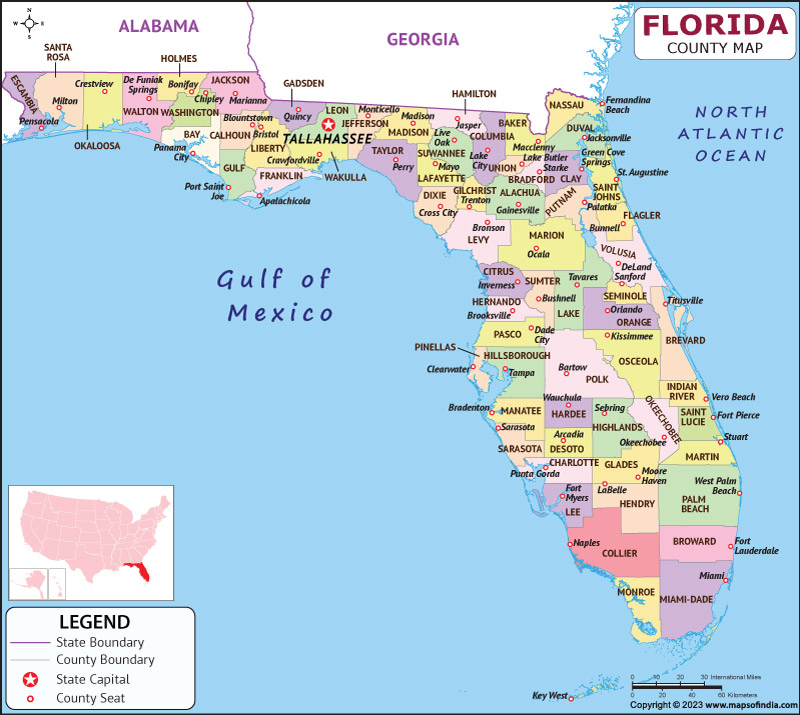
Florida Map | Map of Florida (FL) State With County

Embarking on the journey to purchase your first home in Florida is an exciting milestone, but it’s also a process that requires careful planning and a thorough understanding of the local market dynamics. First-time homebuyers often face a unique set of challenges, from navigating complex financing options to deciphering the nuances of Florida’s diverse real estate landscape. However, these challenges are often balanced by significant opportunities, including potential first-time buyer programs and a wide array of property types to suit various budgets and lifestyles.Florida’s real estate market presents a compelling blend of opportunities and hurdles for those taking their initial steps into homeownership.

The state’s consistent population growth and desirable climate continue to fuel demand, which can translate into competitive bidding situations and rapidly appreciating property values. For first-time buyers, this means acting decisively and being well-prepared. On the flip side, Florida offers a range of housing options, from affordable condominiums and townhouses to single-family homes in developing communities, providing entry points for a variety of financial capacities.

Understanding these dynamics is crucial for a successful and less stressful home-buying experience.

Check property management software for commercial properties to inspect complete evaluations and testimonials from users.

Navigating the First-Time Homebuyer Process in Florida

The home-buying process for individuals new to the Florida real estate market involves several distinct stages, each requiring diligent attention. Beginning with securing financing, prospective buyers must obtain pre-approval for a mortgage. This step is fundamental as it establishes a clear budget and demonstrates to sellers that you are a serious and qualified buyer. Following pre-approval, the search for a suitable property commences, often involving extensive research into neighborhoods and property types.

Once a property is identified and an offer is made, the process moves into the crucial phases of inspections, appraisals, and finally, the closing, where ownership is officially transferred.The essential steps involved in the home-buying process for first-time buyers in Florida are as follows:

  1. Mortgage Pre-Approval: Obtain a letter from a lender indicating the maximum loan amount you qualify for. This is a critical first step to understand your budget.
  2. Engaging a Real Estate Agent: Partner with an agent experienced in working with first-time homebuyers in Florida. They will guide you through the market and the transaction.
  3. Property Search: Begin looking for homes that fit your pre-approved budget and lifestyle needs, considering location, size, and amenities.
  4. Making an Offer: Once you find a property, your agent will help you craft a competitive offer, including contingencies.
  5. Home Inspection: Hire a qualified inspector to assess the property’s condition, identifying any potential issues.
  6. Appraisal: The lender will order an appraisal to determine the fair market value of the property, ensuring it aligns with the loan amount.
  7. Underwriting and Final Loan Approval: The lender reviews all documentation to provide final approval for your mortgage.
  8. Homeowners Insurance: Secure a homeowners insurance policy, which is a requirement for mortgage lenders.
  9. Closing: This is the final step where all legal documents are signed, funds are transferred, and you receive the keys to your new Florida home.

Effective Research and Comparison of Florida Neighborhoods

Finding the right neighborhood is as important as finding the right house, especially for first-time homebuyers. Florida offers a vast spectrum of communities, from bustling urban centers with vibrant cultural scenes to tranquil coastal towns and family-friendly suburban enclaves. Effective research involves looking beyond superficial appeal and delving into factors that impact daily life and long-term investment. This includes evaluating school districts, proximity to employment centers, access to healthcare facilities, local amenities like parks and shopping, and the overall safety and community feel of an area.To effectively research and compare different Florida neighborhoods for your first home, consider the following:

  • Commute and Accessibility: Analyze travel times to work, major highways, and public transportation options.
  • Lifestyle and Amenities: Determine if the neighborhood offers the recreational activities, dining, and shopping experiences that align with your preferences.
  • Community Vibe: Visit neighborhoods at different times of the day and week to get a feel for the atmosphere and resident demographics.
  • Future Development: Research any planned or ongoing development projects that could impact property values or the neighborhood’s character.
  • Local Services: Assess the quality and availability of essential services such as healthcare providers, grocery stores, and emergency services.
  • Property Values and Trends: Investigate historical property value appreciation and market trends to gauge potential return on investment.

The Value of Specialized Real Estate Professionals for First-Time Buyers

Working with real estate professionals who specialize in assisting first-time buyers in Florida is paramount to a successful home purchase. These agents possess a deep understanding of the local market, including current inventory, pricing trends, and negotiation strategies tailored to the state’s specific conditions. More importantly, they are adept at guiding novices through the often-intimidating home-buying process, demystifying jargon, explaining complex contracts, and advocating for the buyer’s best interests.

Their expertise can save time, reduce stress, and potentially lead to significant financial savings.Specialized agents provide invaluable support by:

  • Educating buyers on the entire home-buying journey.
  • Identifying properties that align with budget and needs.
  • Facilitating communication with lenders, inspectors, and other parties.
  • Negotiating purchase prices and terms on behalf of the buyer.
  • Ensuring all paperwork is accurately completed and deadlines are met.

Crucial Questions for Evaluating Florida Properties

When evaluating Florida properties, first-time homebuyers should arm themselves with a comprehensive list of questions to ask themselves and their real estate agents. These questions are designed to uncover critical information about the property’s condition, the neighborhood, and the overall feasibility of the purchase. A thorough inquiry process helps ensure that the chosen home meets current needs and is a sound investment for the future, minimizing potential regrets or unexpected expenses down the line.Here is a checklist of crucial questions for first-time homebuyers to consider when evaluating Florida properties:

  • To Myself:
    • Does this property fit my current lifestyle and anticipated future needs?
    • Can I comfortably afford the monthly mortgage payments, property taxes, insurance, and potential HOA fees?
    • Are there any lifestyle compromises I am making that I will regret later?
    • Does the location offer the amenities and community feel I desire?
    • What are my long-term plans for this home?
  • To My Agent:
    • What is your experience with first-time homebuyers in this specific area of Florida?
    • What are the typical property tax rates and insurance costs for homes in this neighborhood?
    • Are there any known issues with the property or the surrounding area, such as flood zones, sinkhole risks, or upcoming developments?
    • What is the typical negotiation range for similar properties in this market?
    • Can you recommend reliable home inspectors and other service providers?
    • What are the average utility costs for homes of this size in this area?
    • Are there any specific Florida real estate laws or regulations I should be aware of?
    • What is the school district rating for this area, and is it important for my long-term plans?
    • What is the history of this property (previous sales, major renovations)?

Conclusion

In essence, Florida homes represent more than just a place to live; they are a gateway to a distinctive lifestyle shaped by unique architecture, a dynamic climate, and a thriving real estate market. Whether you are drawn to the sun-drenched beaches, the lush natural preserves, or the bustling urban centers, understanding the nuances of Florida living, from construction to community, is key to making an informed decision.

This comprehensive overview has aimed to equip you with the knowledge to navigate the exciting world of Florida properties, ensuring a fulfilling and well-considered homeownership experience.

Clarifying Questions

What are the most common architectural styles found in Florida homes?

The most prevalent architectural styles include Mediterranean Revival, known for its stucco exteriors, red tile roofs, and arched windows; Mid-Century Modern, characterized by clean lines, large windows, and open floor plans; and Coastal, featuring light colors, natural materials, and designs that maximize ocean breezes.

How do hurricanes impact home construction in Florida?

Florida has stringent building codes designed to withstand hurricane-force winds and heavy rain. This includes requirements for impact-resistant windows and doors, reinforced roof structures, and specific foundation anchoring methods to ensure structural integrity during severe weather events.

What is the average property tax rate in Florida?

Property tax rates in Florida vary significantly by county and municipality, but they are generally considered moderate compared to some other states. The average effective property tax rate is typically around 1% of the home’s assessed value, though this can fluctuate.

Are there specific communities designed for retirees in Florida?

Yes, Florida is renowned for its active adult communities, often referred to as 55+ communities. These neighborhoods are specifically designed for residents aged 55 and older, offering a range of amenities and social activities tailored to this demographic.

What are some key features of eco-friendly homes in Florida?

Eco-friendly Florida homes often incorporate features like solar panels for energy generation, high-efficiency HVAC systems, water conservation systems (e.g., rainwater harvesting), native landscaping that requires less water, and the use of sustainable building materials.

Beach homes for sale in Florida beckon with the promise of an unparalleled lifestyle, where the gentle rhythm of the waves becomes your daily soundtrack and the sun-drenched sands are your extended backyard. This exploration delves into the captivating allure of coastal living in the Sunshine State, highlighting the unique advantages, diverse property offerings, and vibrant communities that make owning a piece of paradise a dream for many.

From the sensory delights of ocean breezes to the sense of belonging within charming beach towns, we uncover what truly sets Florida’s beachfront properties apart.

Beyond the idyllic scenery, acquiring a beach home involves a thoughtful approach to practical considerations. This guide will navigate you through the essential steps, from assessing structural integrity and understanding unique maintenance needs to deciphering the financial landscape of coastal real estate, including taxes, insurance, and potential rental income. We will also shed light on the critical aspects of zoning laws and building regulations, ensuring your investment is both secure and compliant.

Furthermore, a comprehensive checklist of questions for real estate agents will empower you to make informed decisions, covering crucial elements like storm preparedness and community amenities.

The Allure of Coastal Living and the Diverse Offerings of Florida’s Beachfront Properties

Beach

Florida’s coastline is more than just a beautiful stretch of sand; it’s an invitation to a lifestyle that captivates the senses and enriches the soul. Owning a home directly on the Florida coast means embracing an unparalleled quality of life, where the rhythm of the tides dictates the pace and the horizon offers endless inspiration. This is a life lived in close communion with nature, where the gentle murmur of waves serves as a constant lullaby and the salty air invigorates every breath.

The sensory experience is profound: the warmth of the sun on your skin, the feel of soft sand between your toes, the vibrant hues of a sunset painting the sky, and the refreshing embrace of the ocean’s spray. Beyond the personal rejuvenation, coastal living fosters a unique sense of community. Beachfront neighborhoods often cultivate a welcoming atmosphere, where neighbors share a common appreciation for the natural beauty and recreational opportunities.

From impromptu beach gatherings to shared boating adventures, these communities are built on a foundation of shared experiences and a mutual love for the coastal environment. This interconnectedness, combined with the inherent tranquility of the ocean, creates a living environment that is both exhilarating and deeply peaceful. The accessibility to water activities is another significant draw. Imagine stepping out your door and being just moments away from kayaking, paddleboarding, fishing, or simply enjoying a leisurely stroll along the shore.

This constant access to the water promotes an active and healthy lifestyle, encouraging residents to engage with their surroundings and find joy in the simple pleasures of beach life. The presence of marine life also adds to the wonder, with dolphins frequently gracing the waters and a rich diversity of seabirds providing a constant spectacle. This intimate connection with the natural world is a privilege that defines the Florida coastal experience, offering a sanctuary from the everyday hustle and a constant source of wonder and delight.

Variety in Florida Beachfront Homes

Florida’s coastline is a treasure trove of diverse beachfront properties, catering to a wide spectrum of tastes, lifestyles, and budgets. Whether you dream of a sprawling estate with panoramic ocean views or a cozy, intimate bungalow just steps from the surf, there’s a beach home waiting for you. These residences are not just structures; they are gateways to a lifestyle defined by the sea.

The architectural styles are as varied as the coastline itself, reflecting regional influences, historical periods, and modern design trends. You’ll find sleek, contemporary designs with expansive glass walls to maximize ocean vistas, offering a seamless blend of indoor and outdoor living. These often feature clean lines, minimalist aesthetics, and state-of-the-art amenities, appealing to those who appreciate modern luxury. In contrast, many areas boast charming Mediterranean-inspired villas, characterized by terracotta roofs, stucco exteriors, and arched doorways, evoking a timeless elegance and a sense of Old Florida charm.

Discover the crucial elements that make property management software for commercial properties the top choice.

These homes often incorporate private courtyards and lush landscaping, creating a serene oasis. For those seeking a more casual and relaxed vibe, charming beach bungalows and cottages are prevalent. These typically feature simpler designs, often with weathered wood siding, breezy porches, and an unpretentious connection to the beach. They embody the quintessential laid-back beach lifestyle. Further along the spectrum, grander estates and custom-built mansions can be found, offering unparalleled luxury, extensive amenities like private pools, guest houses, and direct beach access with exclusive dune walkovers.

These properties are designed for sophisticated living and entertaining, often featuring bespoke finishes and cutting-edge technology. The types of beachfront properties also extend to luxurious condominiums and townhouses, providing a maintenance-free option for those who desire oceanfront living without the responsibilities of a detached home. These often come with shared amenities such as resort-style pools, fitness centers, and concierge services, further enhancing the coastal living experience.

Each type of home offers a unique way to experience the magic of living by the sea, ensuring that the dream of a Florida beach home is attainable for many.

Distinctive Coastal Regions of Florida

Florida’s extensive coastline is a mosaic of distinct regions, each offering a unique flavor and appeal to potential beachfront homeowners. From the bustling energy of South Florida to the laid-back charm of the Gulf Coast, understanding these differences is key to finding the perfect coastal retreat. The Emerald Coast in the Florida Panhandle, encompassing areas like Destin and Seaside, is renowned for its sugar-white sands and crystal-clear emerald waters, reminiscent of the Caribbean.

This region offers a mix of luxurious beachfront estates and charming, pastel-colored cottages, particularly in planned communities like Seaside, which emphasizes pedestrian-friendly living and a strong sense of community. The vibe here is often family-oriented and geared towards outdoor recreation. Moving south along the Gulf Coast, the Sarasota and Naples areas present a more sophisticated and tranquil coastal experience. Sarasota, with its cultural attractions and beautiful barrier islands like Siesta Key (famous for its quartz-sand beaches), offers a blend of upscale living and artistic flair.

Naples, further south, is synonymous with luxury, pristine beaches, and world-class golf, attracting a discerning clientele seeking refined coastal living. The architecture here often leans towards Mediterranean and contemporary styles, emphasizing elegance and privacy. Central West Florida, including areas like Clearwater and St. Pete Beach, offers a more classic Florida beach town feel, with a vibrant tourism scene and a wide range of property types, from older, charming beach cottages to modern high-rise condominiums.

The Southwest Coast, including Fort Myers and the islands of Sanibel and Captiva, is celebrated for its natural beauty, abundant shelling, and a more relaxed, nature-focused lifestyle. Properties here often blend seamlessly with the environment, emphasizing sustainability and connection to the local ecosystem. Further south, the Gold Coast stretches from Palm Beach down to Fort Lauderdale and Miami, offering a dynamic and glamorous coastal lifestyle.

Palm Beach is an enclave of unparalleled luxury and historic estates, while Fort Lauderdale offers a vibrant mix of modern beachfront condos and charming waterfront homes. Miami Beach, a global hub of culture and nightlife, boasts iconic Art Deco architecture alongside ultra-modern high-rise residences, catering to those who seek a lively and cosmopolitan beach experience. Finally, the Florida Keys offer a truly unique island-living experience, with a bohemian charm and a deep connection to the marine world.

From Key Largo to Key West, properties here are often characterized by stilted homes, colorful bungalows, and a laid-back, tropical atmosphere, perfect for boating enthusiasts and those seeking an escape from the ordinary. Each region provides a distinct chapter in Florida’s coastal story, inviting exploration and promising a dream home tailored to individual desires.

Waking to the Ocean’s Embrace

Imagine this: your eyes flutter open, not to the jarring sound of an alarm, but to the gentle, rhythmic symphony of the ocean. It’s a sound that has a way of grounding you, of reminding you of the vastness and tranquility that surrounds your Florida beach home. The first rays of sunlight, soft and golden, begin to filter through your windows, casting a warm glow across your room.

There’s no need to rush; the day unfolds at its own unhurried pace, dictated by the natural cadence of the sea. You rise, and the scent of salt and sea air, fresh and invigorating, greets you as you step out onto your balcony or lanai. The view is immediate and breathtaking – an endless expanse of shimmering blue water meeting a vast, clear sky.

The sand, still cool from the night, stretches out before you, an invitation to wander. The sheer proximity is exhilarating; the beach is not a destination to be reached, but an extension of your own living space. You can feel the subtle vibrations of the waves lapping against the shore, a constant, comforting presence. Perhaps you decide to start your day with a quiet walk along the water’s edge, collecting seashells as the tide recedes, or maybe a refreshing dip in the ocean is your morning ritual.

The feeling of the cool water against your skin, the soft sand yielding beneath your feet, the sheer freedom of being so close to nature – it’s an experience that rejuvenates the mind and body. This is not a vacation; this is your everyday reality. The convenience is unparalleled. For a spontaneous sunrise viewing, a midday swim, or an evening stroll to watch the sunset paint the sky in fiery hues, the beach is always just a few steps away.

You can hear the playful cries of seagulls, the rustling of palm fronds in the gentle breeze, and the distant murmur of other beachgoers enjoying their own slice of paradise. It’s a life lived in constant connection with the elements, a peaceful existence where the natural world is your closest neighbor. The simplicity and beauty of this daily awakening, the immediate access to the rejuvenating power of the ocean, is the very essence of the Florida beach home dream, a profound and constant source of joy and well-being.

Navigating the Practical Considerations When Seeking a Seaside Residence in the Sunshine State

Athens, Greece Beaches

Acquiring a beach home in Florida is an exciting prospect, promising a lifestyle of sun, sand, and surf. However, beyond the allure of ocean views, there are crucial practical aspects to thoroughly consider. This section delves into the essential steps and information required to make an informed decision, ensuring your dream coastal property is also a sound investment. From the physical condition of the home to the financial and regulatory landscape, understanding these elements is paramount to a smooth and successful purchase.The journey to owning a Florida beach home involves careful evaluation of various tangible and intangible factors.

It’s about more than just the aesthetics; it’s about the long-term viability and enjoyment of your investment. By systematically addressing these practical considerations, buyers can mitigate potential risks and confidently embrace the unique opportunities that come with beachfront living in Florida.

Assessing Structural Integrity and Maintenance Challenges of Beachfront Properties

Purchasing a home directly on the coast presents unique challenges that require a meticulous approach to structural assessment. The relentless exposure to saltwater, high winds, and intense sun can accelerate wear and tear on building materials. Therefore, a comprehensive inspection process is not just recommended; it’s essential. This begins with engaging a qualified inspector who has specific experience with coastal properties.The inspection should meticulously examine the foundation, looking for signs of erosion or damage caused by shifting sands or storm surges.

Coastal foundations are often subject to different stresses than those inland. Next, the exterior of the property demands close attention. This includes the condition of siding, which can be susceptible to salt spray corrosion and wind damage, and roofing materials, which must be able to withstand hurricane-force winds. Special consideration should be given to windows and doors, ensuring they are impact-resistant and properly sealed to prevent water intrusion during storms.

The pervasive influence of salt and humidity necessitates a proactive maintenance schedule, significantly impacting the long-term cost of ownership.

Inside the home, inspectors should check for signs of moisture intrusion, mold, and mildew, which are more prevalent in humid coastal environments. Electrical systems and plumbing also require thorough vetting, as saltwater and humidity can lead to corrosion and premature failure. Don’t overlook HVAC systems, as they work harder in the humid climate and require regular servicing. The inspection report should detail any immediate repair needs and provide an outlook on potential future maintenance requirements.

Understanding these potential issues upfront allows for better budgeting and negotiation during the purchase process. Furthermore, inquire about the age of major systems like the roof, HVAC, and water heater, as their replacement can represent significant future expenses. A diligent assessment of structural integrity and a realistic understanding of ongoing maintenance needs are fundamental to securing a sound investment in Florida’s coastal real estate market.

Financial Aspects of Owning Florida Beachfront Property

The financial landscape of owning a beach home in Florida is distinct and requires careful consideration beyond the initial purchase price. Several cost factors are amplified due to the coastal location, and understanding these can prevent financial surprises down the line.Property taxes in Florida are generally based on the assessed value of the property. However, beachfront properties, due to their desirability and often higher value, typically incur higher property taxes.

Get the entire information you require about commercial property management accounting software on this page.

It’s crucial to research the specific millage rates for the area you are considering and understand how the county appraises coastal real estate. This can vary significantly from one coastal community to another.Insurance costs represent a substantial financial consideration for beachfront homeowners. Homeowners insurance for properties in high-risk coastal zones, particularly those susceptible to hurricanes and flooding, can be considerably more expensive than for inland properties.

This often necessitates obtaining separate flood insurance policies, which are typically managed through the National Flood Insurance Program (NFIP) or private insurers. The cost of these policies is determined by factors such as the elevation of the home, its proximity to the coast, and the historical storm activity in the region. Expect to pay thousands of dollars annually for comprehensive insurance coverage.

The investment in robust insurance is not merely a cost; it’s a critical safeguard against potentially catastrophic losses inherent in coastal living.

When investigating detailed guidance, check out property management rent collection software now.

Potential rental income opportunities can be a significant draw for beach homes, especially in popular tourist destinations. Many owners choose to rent out their properties when they are not using them, offsetting ownership costs. However, it’s vital to research local regulations regarding short-term rentals, as many communities have specific rules and restrictions in place. Understanding occupancy limits, licensing requirements, and any associated taxes is essential.

Furthermore, realistic projections for rental income should be based on comparable properties in the area, considering seasonality, occupancy rates, and management fees if you plan to use a rental agency. A thorough financial analysis, factoring in property taxes, insurance premiums, potential maintenance, and realistic rental income, is indispensable for making a prudent investment in Florida’s beachfront real estate.

Understanding Local Zoning Laws and Building Regulations for Beachfront Land

Navigating the legal and regulatory framework surrounding beachfront properties in Florida is a critical step for any prospective buyer, particularly if renovations or new construction are contemplated. Zoning laws and building regulations are designed to manage development, protect coastal ecosystems, and ensure public safety, especially in areas prone to hurricanes and erosion.Zoning ordinances dictate how land can be used, including restrictions on residential, commercial, or mixed-use development.

For beachfront properties, these regulations often address setbacks from the mean high-water line, height restrictions for structures, and limitations on the density of development. Understanding these parameters is vital to ensure that your intended use of the property aligns with local planning. For instance, a property zoned for single-family residential use may prohibit the construction of a multi-unit rental property.Building codes are another essential layer of regulation.

Florida has stringent building codes designed to withstand extreme weather conditions. For coastal areas, these codes are often even more rigorous, mandating specific construction techniques and materials to enhance structural resilience against high winds and storm surges. This can include requirements for impact-resistant windows and doors, reinforced roofing systems, and specialized foundation designs. If you plan any modifications, even minor ones, it is imperative to consult with the local building department to understand permit requirements and ensure compliance.

Adherence to local zoning and building regulations is not optional; it’s a fundamental requirement for responsible coastal development and property ownership.

Furthermore, specific environmental regulations may apply to beachfront land, particularly concerning dune systems, coastal vegetation, and wetlands. These regulations are in place to protect fragile ecosystems and maintain natural coastal defenses. For example, disturbing dunes or removing native vegetation often requires special permits and adherence to strict guidelines. If you are considering new construction, understanding the requirements for site preparation, elevation, and drainage is paramount.

Engaging with local planning and building officials early in the process can save significant time and expense by clarifying what is permissible and what steps are necessary to obtain the required approvals. A thorough understanding of these regulations will prevent costly mistakes and ensure that your beachfront property development or renovation is both compliant and sustainable.

Essential Questions for a Real Estate Agent When Viewing a Florida Beach Home, Beach homes for sale in florida

When exploring beach homes for sale in Florida, a well-prepared buyer asks targeted questions to gain a comprehensive understanding of the property and its surroundings. A seasoned real estate agent can provide invaluable insights, but it’s your responsibility to solicit the information that matters most for a coastal dwelling. The following checklist covers essential aspects to discuss during viewings, ensuring you make an informed decision.

Structural and Environmental Considerations:

  • What is the property’s elevation, and has it been affected by past flood events?
  • What is the history of storm damage to the property, and what repairs have been made?
  • What is the condition of the roof, and when was it last replaced?
  • Are the windows and doors impact-rated?
  • What is the foundation type, and are there any signs of erosion or structural compromise?
  • What is the home’s proximity to the nearest dune system, and are there any restrictions on altering it?
  • What is the expected annual cost of flood insurance, and is it through the NFIP or a private insurer?
  • What is the current homeowners insurance premium, and has it significantly increased recently?

Maintenance and Utilities:

  • What is the typical maintenance schedule for a property like this, considering the coastal environment?
  • What is the age and condition of the HVAC system, plumbing, and electrical wiring?
  • Are there any known issues with mold or mildew, and how have they been addressed?
  • What are the average monthly utility costs (electricity, water, sewer)?

Community and Regulations:

  • What are the local zoning laws regarding renovations, additions, or new construction on this property?
  • Are there any Homeowners Association (HOA) fees or rules, and what do they cover?
  • What are the community’s storm preparedness plans and resources?
  • What are the local regulations for short-term rentals, if applicable?
  • What are the community amenities available (e.g., beach access, pools, maintenance services)?
  • How active is the local community in addressing coastal erosion or other environmental concerns?

Property History and Value:

  • What is the property’s history of ownership and any significant sales or renovations?
  • What are recent comparable sales of similar beachfront properties in the area?
  • Are there any known easements or encumbrances on the property?

By systematically going through these questions, you can build a comprehensive picture of the beach home’s condition, the ongoing costs, and the regulatory environment, empowering you to make a confident purchase.

Ending Remarks

Beach homes for sale in florida

Investing in Florida’s oceanfront real estate is more than just a property transaction; it’s an embrace of a distinctive lifestyle and a strategic financial decision. By understanding the long-term appreciation potential, navigating environmental factors like hurricane risks and sea-level rise, and securing appropriate insurance, buyers can confidently enter this dynamic market. The expertise of coastal property specialists is invaluable in this endeavor, guiding you through the complexities to find a home that perfectly balances your aspirations with practical realities.

Ultimately, Florida’s coastal communities offer a rich tapestry of recreational activities, vibrant social infrastructures, and the chance to craft a life perfectly in tune with the ebb and flow of the ocean.

FAQ Resource: Beach Homes For Sale In Florida

What are the typical insurance costs for a beach home in Florida?

Insurance costs for Florida beach homes are generally higher than for inland properties due to increased risks from hurricanes, flooding, and wind damage. Premiums can vary significantly based on the home’s location, elevation, construction type, and the specific coverage selected. It’s crucial to obtain multiple quotes from specialized coastal insurance providers.

How does sea-level rise affect beach home values in Florida?

Sea-level rise is a growing concern that can impact beach home values by increasing the risk of coastal erosion, storm surge damage, and potential inundation. Properties in lower-lying areas or those experiencing significant erosion may see their values decrease over time. Buyers should research local sea-level rise projections and consider properties with robust coastal defenses or in higher elevations.

Are there specific financing options available for beach homes in Florida?

While standard mortgage options are available, some lenders may have specific requirements for coastal properties due to higher risk. It’s advisable to work with lenders experienced in Florida’s coastal real estate market, as they may offer specialized loan programs or have a better understanding of the unique appraisal and insurance requirements for these types of homes.

What is the process for building or renovating a beach home in Florida?

Building or renovating a beach home in Florida involves strict adherence to local zoning laws, building codes, and environmental regulations, particularly those related to coastal construction. This often includes obtaining permits from local authorities and potentially state agencies, with specific requirements for flood-proofing, wind resistance, and environmental impact assessments. Consulting with local architects and contractors experienced in coastal building is highly recommended.

Mobile homes for sale offer a unique pathway to homeownership, blending practicality with the dream of having your own space. This guide delves into the multifaceted world of pre-built residences, exploring the diverse reasons people choose them, the financial avenues available, and the crucial steps to ensure a sound purchase. From understanding the communities where they reside to appreciating their distinct advantages, we aim to provide a comprehensive overview for anyone considering this accessible housing solution.

Discover the motivations driving the search for ready-to-occupy dwellings, the financial landscapes that make them accessible, and the essential checks for a secure acquisition. We will also explore the vibrant communities designed for these homes, highlight their inherent benefits, and provide insights into architectural styles and market navigation. Finally, we touch upon the ongoing responsibilities of ownership, equipping you with knowledge for a fulfilling experience.

The Advantages of Acquiring a Pre-Built Dwelling: Mobile Homes For Sale

Clipart - phone

Choosing to purchase a home that bypasses the traditional construction process offers a unique set of advantages, fundamentally altering the home-buying experience. Instead of embarking on a journey of blueprints, permits, and ongoing construction, buyers can step into a ready-made dwelling, unlocking immediate benefits and a more predictable path to homeownership. This approach streamlines the process, reduces potential headaches, and often presents a more financially sound option compared to building from scratch.The primary allure of a pre-built home lies in its readiness.

When you opt for a dwelling that is already standing, you are essentially acquiring a finished product. This dramatically cuts down on the waiting period that is inherent in custom home construction. The lengthy timelines associated with site preparation, foundation laying, framing, roofing, and interior finishing are entirely circumvented. This means that once the sale is finalized, you can often move in with remarkable speed.

Imagine the convenience of not having to plan for months or even years of living arrangements while your home is being built. This immediate occupancy potential is a significant draw, especially for individuals or families facing time constraints, such as relocating for a job or experiencing a sudden change in living needs. The ability to settle into your new home without delay translates to less disruption in your life and a quicker transition to establishing roots in a new community.

Cost Predictability and Financial Certainty

One of the most significant benefits of acquiring a pre-built home is the enhanced cost predictability. Traditional custom home building is notorious for its potential for cost overruns. Unforeseen issues with land, material price fluctuations, labor shortages, or design changes can quickly inflate the initial budget. This uncertainty can lead to considerable financial stress and require buyers to secure larger contingency funds.

In contrast, pre-built homes, particularly manufactured or modular homes, offer a fixed price. The cost of the home itself is established upfront, and while lot preparation or installation might have variables, the core structure’s price is known and agreed upon. This allows for more accurate budgeting and financial planning. Buyers can secure financing with greater confidence, knowing the overall investment is less susceptible to the unpredictable escalations common in on-site construction.

For instance, a custom build might start with an estimate of $300,000 but end up costing $350,000 or more due to unexpected challenges. A pre-built home of comparable size and quality will typically have a more transparent pricing structure, making it easier to manage finances and avoid budget surprises.

Expanded Location Choices and Immediate Neighborhood Appeal

The availability of existing structures significantly broadens the spectrum of choices regarding location and immediate neighborhood appeal. When you’re not tied to a specific plot of land waiting for construction, you can explore a wider array of established communities. This means you can find homes in desirable neighborhoods that might already be fully developed, offering immediate access to amenities, schools, parks, and established infrastructure.

Instead of waiting for a new development to emerge, you can choose a home in an area with a proven track record of desirability and community cohesion. This also allows for a more nuanced selection of the immediate surroundings. You can observe the established character of the neighborhood, the existing landscaping, and the general ambiance before making a commitment. This is a stark contrast to building in a new development where the surrounding landscape might be a construction zone for an extended period, with limited amenities and an uncertain future aesthetic.

For example, a buyer looking for a home near a specific university or employment center might find pre-built options readily available in established residential areas, whereas building a custom home might require purchasing land further out or waiting for new construction phases.

Reduced Stress and Uncertainty

The process of buying a pre-built home inherently involves less stress and uncertainty compared to overseeing a construction project. The anxieties associated with managing contractors, making constant decisions about materials and finishes, and dealing with potential delays are largely eliminated. The transaction is more akin to a standard real estate purchase, where the product is tangible and its completion is not in question.

This streamlined approach means fewer variables to worry about, leading to a more relaxed and enjoyable home-buying experience. Buyers can focus on the excitement of moving into their new home rather than the stress of managing an ongoing building phase. This reduction in uncertainty contributes to a more positive overall outcome, allowing individuals to settle into their new living situation with greater peace of mind.

You also can investigate more thoroughly about online booking software for rentals to enhance your awareness in the field of online booking software for rentals.

The absence of construction site noise, dust, and the constant visual reminder of an unfinished project also contributes to a more pleasant anticipation of moving day.

Architectural Styles and Features of Mobile Homes

Mobile homes for sale

Mobile homes, now more commonly referred to as manufactured homes, offer a diverse range of architectural styles and features designed to meet various aesthetic preferences and functional needs. These homes are built in factories under controlled conditions, allowing for consistent quality and efficient construction. Understanding these common styles and features can greatly assist potential buyers in visualizing their options and making an informed decision.

The evolution of manufactured housing has led to designs that are increasingly sophisticated and comparable to site-built homes, offering both affordability and desirable living spaces.The design spectrum for manufactured homes spans from compact single-section units, often ideal for individuals, couples, or as accessory dwelling units (ADUs), to expansive multi-section homes that can rival traditional houses in size and layout. Single-section homes, sometimes called “singlewides,” are typically manufactured as one complete unit and transported to the site.

Their layouts are generally linear, prioritizing efficient use of space. Multi-section homes, or “doublewides” and “triplewides,” are built in two or more sections and then joined together on-site. This allows for more complex floor plans, larger living areas, and greater customization, including the creation of distinct zones for living, dining, and sleeping. The prevalent design aesthetics often lean towards contemporary and traditional styles, with features such as pitched roofs, decorative eaves, and various window designs that mimic those found in conventional housing.

Prevalent Design Aesthetics and Layouts

The architectural styles of manufactured homes are broadly categorized by their construction and intended use. Single-section homes are characterized by their efficient, often open-concept layouts designed to maximize the feeling of spaciousness within a more compact footprint. A typical single-section layout might feature a living area at one end, flowing into a kitchen and dining space, with bedrooms and a bathroom located at the other end.

This arrangement ensures privacy for sleeping quarters while maintaining a communal feel for the main living areas.Multi-section homes offer a much wider array of design possibilities. Double-section homes, the most common multi-section type, are joined along their longest sides. This allows for more expansive living rooms, larger kitchens with island options, and the inclusion of features like master suites with en-suite bathrooms and walk-in closets.

Triple-section homes, while less common, provide even greater square footage and can accommodate more elaborate floor plans, often including multiple bathrooms, dedicated laundry rooms, and separate dining areas. The exterior design of both single and multi-section homes often features elements that enhance curb appeal, such as varied siding materials, decorative shutters, and attractive entryway designs. Many modern manufactured homes also incorporate energy-efficient windows and improved insulation techniques.

Common Interior Features

The interior of manufactured homes has seen significant advancements, offering a range of finishes and layouts that cater to modern living. Kitchen configurations are a focal point, with many homes featuring spacious kitchens equipped with ample cabinet storage and counter space. Standard appliances are typically included, and higher-end models may offer upgraded finishes like stainless steel appliances and granite countertops.

Kitchen layouts often include a central island or a peninsula, providing additional workspace and a casual dining area.Bathroom designs commonly include a master bathroom attached to the primary bedroom, often featuring a walk-in shower, a bathtub, and a double vanity. Guest bathrooms are also standard in most homes, providing convenience for residents and visitors. Bedroom sizes vary, with master bedrooms typically being the largest, capable of accommodating king-size beds and offering substantial closet space.

Secondary bedrooms are designed to be functional, suitable for children, guests, or as home offices. Throughout the home, finishes such as durable laminate or vinyl flooring, painted drywall, and modern light fixtures are commonly found, contributing to a comfortable and aesthetically pleasing living environment.

Exterior Finishes and Roofing Materials

The exterior of manufactured homes is designed for both durability and aesthetic appeal. Common exterior finishes include vinyl siding, which is a popular choice due to its low maintenance, resistance to rot and insects, and wide range of color options. Other finishes may include traditional lap siding, stucco, or engineered wood siding, offering different textures and appearances. The durability of these materials is generally high, with vinyl siding lasting for decades with minimal upkeep.Roofing materials typically include asphalt shingles, which are cost-effective and widely available, offering good protection against the elements.

Metal roofing is also an option, known for its exceptional durability, longevity, and resistance to fire and high winds. The maintenance needs for these roofing materials are generally low; asphalt shingles may require occasional inspection for damage, while metal roofs are largely maintenance-free. The design of the roof, often a pitched or gable roof, is crucial for effective water drainage and contributes to the overall structural integrity and visual appeal of the home.

Conceptual Layout for a Popular Single-Section Home

A popular conceptual layout for a single-section manufactured home prioritizes efficient flow and a sense of openness. Imagine entering into a modest foyer that immediately opens into the main living area. This living room is situated at one end of the home, offering a comfortable space for relaxation and entertainment. Adjacent to the living room is the kitchen, which is designed in a galley or L-shape to maximize workspace.

A breakfast bar or a small dining nook can be incorporated here, serving as a casual eating area.Moving towards the rear of the home, a hallway leads to the private quarters. This hallway typically provides access to a full bathroom, which serves both secondary bedrooms and guests. The secondary bedrooms are positioned on either side of the hallway, offering adequate space for single or twin beds and built-in closets.

Do not overlook the opportunity to discover more about the subject of property management budgeting software.

At the very end of the hallway is the master bedroom, a more generously sized room designed to accommodate a queen or king-size bed. This master bedroom usually features a larger closet and, in many layouts, an attached en-suite bathroom. The overall flow is designed to keep the public living spaces separate from the private sleeping areas, ensuring a practical and comfortable living arrangement within a single-section footprint.

Strategic Market Navigation for Pre-Built Homes

Mobile homes for sale

Securing a pre-built home, often referred to as a mobile or manufactured home, involves a distinct set of strategic considerations to ensure a successful and advantageous acquisition. Unlike traditional site-built homes, these residences offer unique benefits and require a nuanced approach to market navigation. Understanding these strategies can significantly streamline your search and lead to a more satisfying homeownership experience.

Budget Definition and Comprehensive Cost Analysis

Establishing a clear and realistic budget is paramount when considering the purchase of a pre-built dwelling. This budget must extend beyond the sticker price of the home itself to encompass all associated expenses. A common oversight is focusing solely on the purchase price, neglecting the significant costs that can arise during the relocation and setup phases. For instance, moving a manufactured home can incur substantial fees, often ranging from a few thousand to tens of thousands of dollars, depending on the distance and the complexity of the move.

This includes transportation, specialized towing equipment, and potential road permits. Furthermore, site preparation is a critical component; this might involve land leveling, foundation work (such as concrete footings or a permanent foundation), utility hookups (water, sewer, electricity, gas), and potentially landscaping. These costs can vary widely based on the chosen location and the existing infrastructure. Ongoing expenses also need to be factored in, including lot rent if the home is placed in a community, property taxes, insurance, and maintenance.

It is advisable to create a detailed spreadsheet itemizing all potential costs, from the initial down payment to long-term upkeep.

Discover more by delving into pipedrive real estate crm further.

“A well-defined budget acts as your financial compass, guiding you away from unforeseen expenses and towards a sustainable homeownership.”

Leveraging Specialized Real Estate Agents, Mobile homes for sale

Engaging with real estate agents who specialize in manufactured and mobile homes offers a distinct advantage. These professionals possess in-depth knowledge of the specific market dynamics, legal frameworks, and common practices associated with this housing sector. They are often familiar with reputable manufacturers, reputable dealers, and common pitfalls to avoid. Specialized agents can also assist in navigating financing options, which may differ for manufactured homes compared to traditional mortgages.

Their expertise in property valuation for this specific asset class ensures you are making a fair offer. They can also facilitate inspections and guide you through the often complex closing process, which may involve different documentation and procedures than those for site-built homes. Their network of contacts, including movers, installers, and lenders experienced with manufactured housing, can be invaluable.

Identifying Optimal Geographical Areas

The selection of geographical areas is a crucial element in finding a pre-built home. Certain regions tend to have a higher concentration of manufactured home communities or private land suitable for placement. These areas often offer a broader selection of homes at various price points. When evaluating potential locations, proximity to essential amenities such as grocery stores, healthcare facilities, schools, and recreational opportunities is vital for daily convenience and quality of life.

Equally important is access to transportation networks, including major highways for commuting and public transit options if needed. Researching local zoning laws and regulations pertaining to manufactured homes is also essential, as some areas may have restrictions on where these homes can be placed. Considering the presence of well-maintained communities with good management can also significantly enhance the living experience.

Effective Negotiation Tactics for Pre-Built Dwellings

Negotiating the purchase of a pre-built dwelling requires a strategic approach, similar to that for any real estate transaction, but with an understanding of the unique market. After conducting thorough due diligence, including a professional inspection, you will have a stronger basis for negotiation. If the inspection reveals any issues, these can be used as leverage to request repairs or a reduction in the purchase price.

Understanding the seller’s motivation and the current market conditions is also key. For instance, if there are many similar homes available, you may have more room to negotiate. Presenting a pre-approval letter from a lender demonstrates your seriousness and financial capability, which can strengthen your position. Be prepared to walk away if the terms are not favorable; this often provides the strongest negotiating stance.

When making an offer, clearly Artikel any contingencies, such as financing or satisfactory inspection results, to protect your interests.

“A well-researched offer, backed by a strong understanding of the home’s condition and market value, is the cornerstone of successful negotiation.”

Last Word

Navigating the market for mobile homes for sale opens up a world of opportunities for affordable and efficient homeownership. By understanding the diverse motivations, financial options, essential inspections, community living, and unique advantages, prospective buyers can make informed decisions. Embracing the strategic considerations and ongoing responsibilities ensures a rewarding and stable living experience in a home that meets your needs and lifestyle.

This journey into pre-built residences is one that can lead to lasting satisfaction and a true sense of belonging.

FAQ Compilation

What is the difference between a mobile home and a manufactured home?

While often used interchangeably, “mobile home” typically refers to homes built before June 15, 1976, when federal standards were established. “Manufactured home” is the term for homes built after this date, adhering to the HUD Code for construction and safety.

Can I get a mortgage for a mobile home?

Yes, financing options are available for manufactured homes, including traditional mortgages, chattel loans (personal property loans), and FHA/VA loans, depending on whether the home is considered real property or personal property.

What are common issues to look for when buying a used mobile home?

Common issues include foundation stability, roof leaks, plumbing and electrical system integrity, pest infestations, and outdated appliances or HVAC systems. Thorough professional inspection is crucial.

Can I move a manufactured home to a different location after purchase?

Single-section manufactured homes can be moved, but multi-section homes are designed for permanent installation. Moving a home is a complex and costly process requiring specialized transporters.

What are the typical monthly costs associated with living in a manufactured home community?

Monthly costs usually include lot rent, which covers land use and common area maintenance. Additional costs may include utilities, property taxes (if the home is considered real property), and community fees for amenities.

Homes for sale in Florida beckon with promises of sunshine, vibrant communities, and diverse investment opportunities. This comprehensive guide delves into the dynamic real estate market of the Sunshine State, offering insights for both seasoned investors and first-time homebuyers. From understanding market trends and property types to navigating financial intricacies and legal frameworks, we provide the essential knowledge to make your Florida property dreams a reality.

Prepare to explore a landscape rich with possibilities, where finding your perfect residence or a lucrative investment is within reach.

The Florida real estate market is a captivating arena, presenting a spectrum of choices for those looking to buy or sell. This exploration will illuminate the current trends shaping property availability and pricing across the state’s diverse regions, examining the forces behind demand and supply. We will also dissect the common residential property types available, from spacious single-family homes to chic condominiums and charming townhouses, detailing their typical features and who they best suit.

Furthermore, a comparative analysis of major metropolitan areas like Miami, Orlando, Tampa, and Jacksonville will reveal their unique market dynamics and investment appeal, equipping you with the knowledge to pinpoint your ideal location.

The process of searching for and securing a residence in Florida involves leveraging various resources and understanding the essential steps from initial inquiry to final acquisition.: Homes For Sale In Florida

Homes for sale in florida

Embarking on the journey to find and purchase a home in Florida is an exciting endeavor, requiring a strategic approach to navigate the diverse real estate landscape. This process is characterized by the utilization of a range of tools and a clear understanding of the sequential phases, from the very first inquiry to the ultimate completion of the purchase. By employing effective search methods and meticulously evaluating potential properties, prospective buyers can confidently move towards securing their ideal Florida residence.

Effective Strategies for Discovering Available Residences in Florida

Discovering the right home in the Sunshine State is a multifaceted undertaking that benefits from a multi-pronged approach. The sheer volume of listings and the dynamic nature of the Florida real estate market necessitate the use of diverse resources to ensure no opportunity is missed. From the convenience of digital platforms to the personalized guidance of professionals and the tangible experience of open houses, each method offers unique advantages in the quest for a Florida property.

Understanding and effectively employing these strategies will significantly streamline the search process and increase the likelihood of finding a residence that perfectly aligns with your needs and desires.The digital age has revolutionized real estate, placing a wealth of information at your fingertips. Online property portals are an indispensable starting point for most buyers. Websites such as Zillow, Realtor.com, and Redfin provide extensive databases of active listings, often updated in real-time.

These platforms allow users to filter searches based on a multitude of criteria, including price range, number of bedrooms and bathrooms, square footage, property type (single-family home, condo, townhouse), and specific features like a swimming pool or waterfront access. Advanced search options often include mapping tools, enabling you to visualize properties within desired neighborhoods and assess their proximity to key areas.

Notice Houses for Sale in Dominican Republic for recommendations and other broad suggestions.

Many portals also offer valuable market data, such as recent sales in the area, property value estimates, and neighborhood demographics, which can inform your decision-making. Beyond these major players, many local real estate agencies maintain their own websites with curated listings, sometimes featuring properties that may not yet be widely advertised.Complementing online searches, engaging the services of a qualified real estate agent is often a cornerstone of a successful home search.

A local agent possesses in-depth knowledge of specific markets, including areas you might not have considered, and has access to the Multiple Listing Service (MLS), which often contains more comprehensive and up-to-date information than public-facing websites. Agents can act as your advocate, understanding your specific requirements and preferences, and can schedule showings for properties that meet your criteria. They are adept at navigating the complexities of the real estate transaction, from initial negotiations to closing.

Their expertise in market trends and property values can be invaluable in making informed decisions. Furthermore, agents can provide insights into neighborhood dynamics, potential future developments, and even recommend reputable service providers like inspectors and lenders.Open house events offer a unique, hands-on experience in evaluating properties. These scheduled opportunities allow potential buyers to walk through homes, get a feel for the layout and condition, and assess whether a property truly resonates with them.

Attending open houses provides a tangible understanding of space, natural light, and the overall ambiance of a home, aspects that can be difficult to fully grasp through online photos alone. It’s also an excellent chance to observe the neighborhood firsthand, gauge the community feel, and potentially speak with the listing agent for initial information. While online portals and agents provide curated information, open houses allow for direct, personal observation and can spark new ideas or reveal unexpected preferences.

Critical Considerations When Evaluating Potential Properties

When you’ve identified a promising property, a thorough evaluation process is paramount to ensure it meets your long-term needs and lifestyle. Beyond the superficial appeal, several fundamental factors require careful consideration. These elements significantly influence not only your daily living experience but also the future resale value and overall satisfaction with your investment. A diligent assessment of these aspects will help you make a well-informed decision, avoiding potential pitfalls and securing a home that truly enhances your quality of life in Florida.Location is arguably the most critical factor in real estate.

The adage “location, location, location” holds true for a reason. When evaluating a Florida home, consider its proximity to your workplace, family, and friends. Think about the accessibility to major roadways and public transportation options, which can significantly impact your daily commute. Beyond immediate accessibility, research the broader area’s appeal. Is it a vibrant urban center, a quiet suburban enclave, or a tranquil coastal community?

Each offers a distinct lifestyle. Understanding the local economic outlook and potential for growth or decline in the area is also wise. For instance, areas with strong job markets and planned infrastructure improvements tend to appreciate in value.Neighborhood amenities play a crucial role in shaping your lifestyle and the desirability of a property. Assess what the surrounding community offers. Are there parks and recreational facilities for outdoor activities?

Are there shopping centers, restaurants, and entertainment venues within easy reach? For families, the presence of community centers, libraries, and safe, walkable streets can be significant draws. Consider the overall aesthetic of the neighborhood – is it well-maintained, with attractive landscaping and a sense of pride among residents? The quality of life within a neighborhood is directly tied to the availability and quality of its amenities.The quality of local school districts is a paramount consideration for families with children, and often influences property values even for those without immediate school-aged dependents.

Research the ratings and reputations of nearby public and private schools. Websites like GreatSchools.org provide comprehensive data on school performance, student-teacher ratios, and parent reviews. A highly-rated school district can be a strong indicator of a stable and desirable community, contributing positively to the long-term value of your home. Even if you don’t have children, homes in top-tier school districts often command higher prices and are more attractive to future buyers.Proximity to essential services is another non-negotiable aspect of property evaluation.

This includes access to quality healthcare facilities, such as hospitals and medical clinics, especially important as you age or if you have specific health needs. Consider the convenience of grocery stores, pharmacies, and other daily necessities. For many in Florida, access to beaches, natural attractions, and recreational opportunities is also a key consideration, influencing the desirability and potential enjoyment of a property.

Evaluating the distance to these services will ensure that your daily life is convenient and that you have access to the resources you need.

Procedural Artikel for Making an Offer on a Florida Home, Homes for sale in florida

Once you’ve identified your ideal Florida home and completed your thorough evaluation, the next critical step is to formalize your interest by making an offer. This process involves a series of well-defined procedures designed to protect both the buyer and the seller, ensuring a transparent and legally sound transaction. Understanding each component of the offer, from the initial financial commitments to the inclusion of protective clauses, is essential for a successful negotiation and acquisition.

This procedural Artikel will guide you through the key stages of making a compelling offer.The process typically begins with your real estate agent preparing a Purchase and Sale Agreement, a legally binding document that Artikels the terms of your offer. This agreement will specify the purchase price you are offering, the closing date, and any other conditions you wish to include.

A crucial element of your offer is the earnest money deposit. This is a sum of money, typically 1-3% of the purchase price, held in escrow by a neutral third party (often a title company or attorney). It demonstrates your serious intent to purchase the property and is applied towards your down payment or closing costs at settlement. The amount of the earnest money deposit can sometimes be a point of negotiation, with larger deposits potentially signaling a stronger commitment to the seller.

Earnest money deposits serve as a good faith gesture, ensuring the buyer’s commitment to proceed with the transaction as Artikeld in the contract.

You also can investigate more thoroughly about online booking software for rentals to enhance your awareness in the field of online booking software for rentals.

Contingencies are conditions that must be met for the sale to proceed. These are vital protective clauses for the buyer. Common contingencies include:

  • Financing Contingency: This protects you if you are unable to secure the necessary mortgage financing. If your loan approval falls through, you can typically withdraw from the contract and have your earnest money deposit returned.
  • Inspection Contingency: This allows you to have the property professionally inspected within a specified timeframe. If the inspection reveals significant issues (e.g., structural problems, faulty plumbing, or electrical issues), you can negotiate repairs with the seller, request a credit, or withdraw from the contract.
  • Appraisal Contingency: If you are obtaining a mortgage, the lender will require an appraisal to ensure the property is worth at least the loan amount. This contingency allows you to back out if the appraisal comes in lower than the agreed-upon purchase price.
  • Homeowners Insurance Contingency: This ensures you can obtain affordable homeowners insurance for the property.

Negotiation tactics are an integral part of the offer process. Once you submit your offer, the seller may accept it, reject it, or present a counteroffer. A counteroffer is a revised offer from the seller, often adjusting the price, closing date, or other terms. Your agent will help you analyze any counteroffer and decide whether to accept, reject, or make another counteroffer.

When investigating detailed guidance, check out property management budgeting software now.

Key negotiation points often include the purchase price, closing costs, the inclusion or exclusion of certain fixtures or appliances, and the timeline for repairs identified during the inspection. Maintaining clear communication and understanding your priorities are essential during this phase. Your agent’s experience in local market conditions and negotiation strategies will be invaluable in achieving a favorable outcome.

Concluding Remarks

Homes for sale in florida

In essence, embarking on the journey of finding homes for sale in Florida is an exciting venture filled with potential. By understanding the market’s pulse, the variety of properties available, the financial pathways, and the procedural steps, you are well-equipped to make informed decisions. Whether you seek a tranquil retreat, a bustling urban dwelling, or a strategic investment, Florida’s real estate landscape offers a remarkable array of opportunities.

May your pursuit of a Florida home be both successful and rewarding.

Answers to Common Questions

What are the current hot markets in Florida for real estate?

While specific trends shift, areas like Tampa Bay, Orlando, and parts of Southwest Florida continue to see robust activity due to job growth, desirable amenities, and attractive pricing compared to other major coastal markets. Coastal areas and those with strong tourism appeal often remain popular.

Are there specific programs for first-time homebuyers in Florida?

Yes, Florida offers various state and local programs designed to assist first-time homebuyers. These can include down payment assistance, low-interest loans, and tax credits. It’s advisable to research programs through the Florida Housing Finance Corporation and local housing authorities.

What is the typical timeline for closing on a home in Florida?

The typical closing timeline in Florida can range from 30 to 60 days, depending on the financing method, the complexity of the transaction, and any contingencies. Cash offers often close faster than those involving mortgages.

How important is a home inspection in Florida?

A home inspection is critically important in Florida. Given the state’s climate, inspections can reveal issues like potential water damage, mold, foundation problems, and termite infestations, which can be costly to repair. It’s a crucial step in protecting your investment.

Can a non-US citizen buy property in Florida?

Yes, foreign nationals can purchase property in Florida. The process is generally similar to that for US citizens, though financing options might differ, and specific tax implications should be considered with professional advice.

Houses for sale in Florida present a dynamic and appealing market for a wide range of buyers. From sun-drenched beaches to vibrant cityscapes, the Sunshine State offers diverse living experiences and property types. This guide delves into the intricacies of finding your perfect Florida residence, covering everything from understanding regional nuances and property styles to navigating the purchase process and financial considerations.

Exploring the diverse landscape of Florida properties reveals a spectrum of opportunities, from coastal condos to inland family homes. Each region boasts unique characteristics, influencing lifestyle and property values. Understanding prevailing market trends, inventory levels, and seasonal buyer activity is crucial for making informed decisions in this ever-evolving market.

Identifying Opportunities and Challenges in the Current Florida Housing Market

Houses for sale in florida

The Florida housing market is a dynamic landscape, presenting both exciting opportunities and notable challenges for prospective buyers. Understanding these nuances is crucial for making informed decisions and securing a property that truly meets your aspirations. The current environment is shaped by evolving buyer preferences, diverse community offerings, and strategic approaches to property search.The demand for specific features and amenities in Florida residences has intensified, reflecting a desire for comfort, convenience, and a lifestyle that capitalizes on the state’s unique appeal.

Obtain recommendations related to homes for sale county that can assist you today.

Buyers are increasingly prioritizing elements that enhance their living experience, from recreational facilities to technological integration and sustainable living practices.

Desirable Amenities and Features in High Demand

Prospective homeowners in Florida are actively seeking properties that offer a blend of luxury, functionality, and a connection to the state’s renowned lifestyle. This demand is driving the market towards homes that incorporate sought-after features designed to maximize enjoyment and long-term value.The following amenities are particularly popular among buyers:

  • Swimming Pools: A quintessential Florida feature, private swimming pools are highly coveted for recreation, relaxation, and entertaining, especially in the warmer months.
  • Waterfront Access: Properties with direct access to lakes, rivers, or the ocean offer unparalleled lifestyle benefits, including boating, fishing, and stunning views, commanding a premium in the market.
  • Smart Home Technology: Integrated systems for lighting, climate control, security, and entertainment are increasingly expected, offering convenience, energy efficiency, and modern living.
  • Energy-Efficient Designs: With rising energy costs and a growing environmental consciousness, buyers are drawn to homes with features like solar panels, high-performance windows, and efficient HVAC systems, reducing utility bills and environmental impact.
  • Outdoor Living Spaces: Expansive lanais, screened porches, and outdoor kitchens are highly valued for extending living areas and enjoying the pleasant Florida climate year-round.

Advantages and Disadvantages of Different Florida Community Types

Florida offers a diverse range of residential communities, each with its own distinct advantages and disadvantages. The choice of community significantly impacts lifestyle, costs, and the overall homeownership experience.

Community Type Advantages Disadvantages
Gated Communities Enhanced security, reduced through-traffic, often well-maintained common areas, sense of exclusivity. HOA fees can be substantial, potential restrictions on property modifications, may feel less integrated with the broader community.
Golf Course Developments Access to recreational amenities, often picturesque surroundings, active social scenes, potential for property value appreciation tied to the golf course’s success. Can be subject to noise and increased traffic, HOA fees may be higher to cover golf course maintenance, potential for limited privacy on certain lots.
Active Adult Communities (55+) Age-restricted for a more compatible lifestyle, numerous social activities and clubs, amenities tailored to seniors, often lower maintenance living. Strict age requirements exclude younger family members or guests, can feel isolating if one desires a more diverse demographic, limited housing styles.
Urban Neighborhoods Proximity to jobs, entertainment, dining, and cultural attractions; often walkable or accessible via public transport; diverse housing options from condos to single-family homes. Higher population density, potential for noise and traffic, parking can be a challenge, may have higher property taxes and insurance costs.

Strategies for Identifying Properties Aligned with Specific Needs

Navigating the Florida housing market effectively requires a strategic approach to identifying properties that perfectly match individual requirements and aspirations. A clear understanding of one’s lifestyle, family dynamics, and future plans is paramount to a successful search.Buyers can refine their property searches by employing the following methods:

  • Define Lifestyle Priorities: Clearly articulate the desired daily activities and overall lifestyle. For instance, a buyer prioritizing a quiet, nature-focused life might seek a property near a state park or with extensive garden space, while someone seeking vibrant social interaction might look for communities with robust social calendars.
  • Assess Family Size and Future Plans: Consider current and future family needs. This includes determining the number of bedrooms and bathrooms required, the importance of school districts for families with children, and whether the property needs to accommodate aging parents or visiting grandchildren. For example, a growing family might prioritize homes with flexible bonus rooms or a yard for children to play.
  • Utilize Advanced Search Filters: Leverage online real estate platforms and work with a knowledgeable agent to filter properties based on specific criteria. This includes setting price ranges, preferred locations, the number of bedrooms/bathrooms, lot size, and crucial amenities like a pool or waterfront access.
  • Consider Commute and Proximity to Essentials: Evaluate the commute to work, as well as proximity to healthcare facilities, shopping centers, and recreational areas. For example, a professional working in a major city might look for properties within a reasonable driving distance or with good public transport links.
  • Research Community Amenities and HOA Regulations: Thoroughly investigate the amenities offered by a community and understand the associated Homeowners Association (HOA) fees and regulations. This ensures that the community aligns with the buyer’s expectations regarding maintenance, lifestyle, and financial commitments.

Examining the Role of Technology in the Search for Florida Residences

Houses for sale in florida

The landscape of real estate, particularly for houses for sale in Florida, has been dramatically reshaped by technological advancements. What was once a process heavily reliant on in-person visits and printed listings has evolved into a dynamic, digitally-driven experience. Technology now plays a pivotal role, empowering buyers with unprecedented access to information and tools, thereby streamlining the entire journey from initial interest to final purchase.

Further details about property management budgeting software is accessible to provide you additional insights.

This digital transformation has democratized the search process, making it more efficient, informative, and ultimately, more successful for prospective homeowners.The advent of online real estate platforms has been a game-changer, fundamentally altering how individuals discover and evaluate properties. Websites and mobile applications now serve as comprehensive marketplaces, aggregating vast databases of listings with detailed descriptions, high-quality photographs, and essential property information.

These platforms are invaluable for initial property discovery, allowing buyers to cast a wide net and explore diverse neighborhoods and property types across Florida without leaving their current location. Furthermore, they offer sophisticated filtering capabilities, enabling users to narrow down their choices based on specific criteria such as price range, number of bedrooms, square footage, and desired amenities. This ability to pre-qualify options significantly reduces the time and effort spent on properties that ultimately do not meet the buyer’s fundamental needs, transforming a potentially overwhelming search into a more manageable and targeted endeavor.

Virtual Tours and Remote Property Evaluation

Virtual tours and emerging technologies are revolutionizing the way buyers can experience and assess properties, especially when physical presence is a challenge. These digital tools extend the reach of property viewing beyond geographical limitations, offering immersive experiences that mimic in-person visits.Online real estate platforms now commonly feature interactive virtual tours, often created using 360-degree photography or video. These tours allow potential buyers to virtually walk through a property, examining room layouts, finishes, and overall ambiance at their own pace.

This is particularly beneficial for out-of-state buyers or those with busy schedules who cannot easily travel for multiple viewings. Beyond static virtual tours, more advanced technologies are emerging to enhance remote evaluation.Drone footage, for instance, provides invaluable aerial perspectives of properties and their surrounding environments. This allows buyers to assess lot size, landscaping, proximity to amenities like beaches or parks, and the overall neighborhood context in a way that ground-level photos cannot capture.

For those envisioning customization or renovation, augmented reality (AR) applications are beginning to offer powerful visualization tools. These AR applications can overlay proposed design changes onto existing property images or live camera feeds, allowing buyers to visualize potential renovations, new flooring, or even furniture placement in real-time. This capability helps in making more informed decisions about a property’s potential and future value, bridging the gap between imagination and reality.

Leveraging Data Analytics for Informed Decisions, Houses for sale in florida

In today’s digital age, data analytics and market reports are indispensable tools for buyers seeking to gain a profound understanding of the Florida housing market. Accessible through various online channels, these resources provide objective insights that can significantly inform purchasing decisions and help identify opportunities.These digital tools offer a wealth of information, moving beyond simple listing details to provide a comprehensive market overview.

You also can investigate more thoroughly about office space hoteling software to enhance your awareness in the field of office space hoteling software.

Buyers can access historical sales data, median home prices, average days on market, and inventory levels for specific zip codes or even individual neighborhoods. This granular data allows for a more nuanced understanding of property values, helping buyers to determine if a property is priced competitively and to negotiate effectively.Furthermore, market reports often highlight neighborhood trends, such as population growth, new development projects, school district performance, and local economic indicators.

This information is crucial for assessing the long-term investment potential of a property and its suitability for a particular lifestyle. For example, understanding that a neighborhood is experiencing significant new commercial development might indicate future appreciation potential, while data showing a decline in school ratings could be a deterrent for families. By utilizing these data-driven insights, buyers can move beyond subjective preferences and make decisions grounded in objective market realities, increasing their confidence and the likelihood of a successful and profitable real estate investment in Florida.

Summary

Houses for sale in florida

In conclusion, securing a home in Florida involves a thoughtful approach, blending market awareness with personal needs. By understanding the financial landscape, legal frameworks, and emerging opportunities, prospective buyers can confidently navigate the journey to homeownership. Whether seeking a vacation retreat or a permanent residence, the Florida housing market offers compelling possibilities for those prepared to explore.

FAQ Insights: Houses For Sale In Florida

What are the most popular regions for houses for sale in Florida?

Popular regions often include South Florida (Miami, Fort Lauderdale) for its vibrant lifestyle and international appeal, Central Florida (Orlando, Tampa) for its family-friendly attractions and growing job markets, and Southwest Florida (Naples, Fort Myers) for its upscale living and beautiful Gulf Coast beaches.

Are there specific times of the year that are better to buy a house in Florida?

While good deals can be found year-round, the peak buying season in Florida typically runs from late winter through spring (February to May). However, the off-season (late summer to fall) might offer less competition and potentially more room for negotiation.

What are the typical property taxes like for homes in Florida?

Property taxes in Florida vary significantly by county and municipality. They are generally based on the assessed value of the property. Homestead exemptions can significantly reduce the taxable value for primary residences.

Is it advisable to get a home inspection even if the property looks perfect?

Absolutely. A professional home inspection is a critical step to uncover any potential hidden issues, such as structural problems, plumbing or electrical faults, or pest infestations, that might not be visible during a walkthrough. This protects your investment.

What is the average cost of closing on a home in Florida?

Closing costs in Florida typically range from 2% to 5% of the loan amount. This includes expenses like appraisal fees, title insurance, recording fees, attorney fees, and prepaid items like property taxes and homeowner’s insurance.

Beach houses for sale in Florida offer a dream lifestyle for many, blending coastal charm with significant investment potential. This comprehensive exploration delves into the diverse regions, ownership models, and unique advantages of owning a slice of paradise on the Sunshine State’s renowned shores.

From the sugar-white sands of the Panhandle to the vibrant barrier islands of the Gulf Coast and the tranquil Atlantic beachfront communities, Florida boasts a remarkable variety of coastal properties. We will navigate the distinct geographical characteristics, architectural styles, and market trends that define these desirable locations, helping you understand what makes each area uniquely appealing. Furthermore, we will examine the different ways you can own a piece of this coastal dream, whether as a primary residence, a vacation getaway, or a strategic investment, all while considering the lifestyle benefits and practical considerations that come with owning a beach house in this idyllic state.

The Allure and Realities of Florida Beach House Ownership

beach – TeachinTiff

Owning a beach house in Florida offers a lifestyle that many dream of, a daily immersion in coastal beauty and a profound sense of escape. Beyond the tangible asset of a property, it represents an investment in well-being, a sanctuary where the rhythm of the tides dictates the pace of life. This unique proposition, however, comes with its own set of considerations, blending unparalleled joys with practical challenges that discerning buyers should fully understand.The inherent appeal of a Florida beach house lies in its ability to transform everyday moments into extraordinary experiences.

Imagine waking to the soft glow of a sunrise painting the ocean in hues of orange and pink, the gentle roar of waves a constant, soothing soundtrack. The air, heavy with the briny scent of the sea, invigorates the senses, a natural aromatherapy that washes away the stresses of the outside world. These are not fleeting vacations; they are the fabric of daily existence for a beach house owner.

The visual spectacle extends through the day, from the shimmering expanse of turquoise water to the dramatic silhouettes of palm trees against a vast sky, culminating in breathtaking sunsets that ignite the horizon. This constant connection to nature fosters a deep sense of tranquility, a feeling of being truly present and at peace. It’s a lifestyle that encourages mindfulness, a deliberate slowing down to appreciate the simple, yet profound, beauty that surrounds you.

The sheer presence of the ocean, its immense power and constant movement, can be both humbling and inspiring, offering a unique perspective on life and its challenges.

Property Maintenance and Coastal Challenges

While the lifestyle benefits are undeniable, maintaining a beach house requires a proactive and informed approach to address the unique environmental conditions of the coast. The relentless presence of salt and sand, while contributing to the idyllic setting, can also be a significant factor in property upkeep. Salt corrosion is a pervasive issue, affecting everything from metal fixtures, outdoor furniture, and even the structural integrity of the building if not managed.

Regular cleaning with fresh water and specialized coastal-grade sealants for metal surfaces are essential. Sand intrusion, while seemingly minor, can lead to wear and tear on flooring, appliances, and even HVAC systems if it’s allowed to accumulate. Frequent sweeping, the use of doormats at all entry points, and considering sand-resistant landscaping can help mitigate this. Furthermore, the coastal environment is susceptible to more significant weather events.

Robust storm preparation is not merely a suggestion but a necessity. This includes installing hurricane-resistant windows and doors, ensuring the roof is in excellent condition, and having a comprehensive plan for securing outdoor items and, if necessary, evacuating. Investing in regular professional inspections, particularly for structural components and electrical systems, can identify potential issues before they become costly problems.

Social and Recreational Lifestyle Opportunities

Beyond the personal tranquility, owning a beach house unlocks a vibrant social and recreational dimension, transforming your property into a hub for memorable experiences. The proximity to the ocean naturally lends itself to a plethora of water-based activities. From paddleboarding and kayaking in the calm morning waters to surfing and boogie boarding in the afternoon waves, the opportunities for active enjoyment are boundless.

Many coastal communities in Florida also boast active social calendars, with local events, farmers’ markets, and festivals that foster a strong sense of camaraderie among residents. The simple pleasure of hosting friends and family against the backdrop of the ocean is unparalleled. Imagine sunset cocktails on your deck, beach bonfires under a canopy of stars, or casual barbecues with the sound of the waves as your entertainment.

These shared moments create lasting memories and solidify the beach house as a cherished gathering place. Many beach communities also offer amenities like private beach access, community pools, and clubhouses, further enhancing the social fabric and recreational possibilities.

Navigating Weather Patterns and Risk Mitigation

Florida’s beautiful coastline is also subject to distinct weather patterns, most notably hurricane season, which typically runs from June 1st to November 30th. Understanding and preparing for these potential impacts is crucial for beach house ownership. The risk of high winds, heavy rainfall, and storm surges necessitates a proactive approach to ensure the safety of your property and peace of mind.A key element of mitigation involves comprehensive insurance coverage.

It is vital to review your homeowner’s policy to ensure it adequately covers wind damage, flood damage, and other perils associated with tropical storms and hurricanes. Understanding deductibles and policy limitations is paramount.Beyond insurance, physical preparedness is essential. This includes:

  • Structural Reinforcement: Investing in hurricane shutters or impact-resistant windows and doors can significantly reduce the risk of damage from flying debris. Ensuring the roof is properly anchored and maintained is also critical.
  • Elevation: Properties in flood-prone areas may benefit from being elevated above base flood elevation to reduce the risk of water damage.
  • Landscaping: Strategic landscaping can help mitigate wind damage. Trimmed trees and the removal of dead branches reduce the risk of them falling on the house.
  • Emergency Preparedness Plan: Developing a detailed plan for what to do before, during, and after a storm is vital. This includes knowing evacuation routes, securing your property, and having essential supplies.

“Proactive preparation is the cornerstone of enjoying beach house living without undue anxiety.”

By staying informed about weather forecasts, heeding evacuation orders when issued, and implementing these preventative measures, owners can significantly reduce the potential impact of severe weather events. This diligent approach allows for a more relaxed enjoyment of the coastal lifestyle, knowing that steps have been taken to safeguard your investment and well-being.

Designing a Comprehensive Checklist for Evaluating Florida Beach Houses

Beach houses for sale in florida

Purchasing a beach house in Florida is an exciting prospect, but it requires a meticulous approach to ensure your investment is sound and your dream home is built to withstand the unique challenges of a coastal environment. A thorough evaluation process is paramount, moving beyond aesthetics to delve into the structural integrity and functional systems of the property. This checklist serves as your guide to conducting a comprehensive inspection, empowering you to make an informed decision before committing to a purchase.

Critical Structural Elements for Coastal Resilience

The foundation, roof, windows, doors, and the very materials used in construction are the first lines of defense for any home, but this is especially true for beach houses. These elements must be robust enough to endure the harsh realities of salt spray, high winds, and potential storm surges.

Foundation Integrity

The foundation of a beach house is its bedrock, and any compromise here can lead to widespread structural issues. Look for signs of cracking, settlement, or water intrusion. In coastal areas, especially those prone to hurricane activity, foundations are often elevated on pilings or concrete piers. Inspect the condition of these supports, checking for rot, corrosion, or damage from wave action.

The connection points between the pilings and the house are also critical. Preventative measures include regular inspections, ensuring proper drainage around the foundation to prevent water pooling, and utilizing corrosion-resistant materials during construction or repairs.

Roofing Condition

The roof bears the brunt of intense sun, wind-driven rain, and airborne salt. Inspect the roofing material for missing or damaged shingles, tiles, or metal panels. Look for signs of wear, such as curling or blistering. Pay close attention to flashing around vents, chimneys, and skylights, as these are common entry points for water. The underlying roof deck should also be assessed for any signs of rot or delamination.

Obtain access to property management software that integrates with quickbooks to private resources that are additional.

Regular cleaning to remove debris and salt buildup, along with prompt repair of any damage, are essential preventative steps.

Window and Door Seals

Coastal winds can exert significant pressure on windows and doors. Ensure that frames are secure and that seals are intact and pliable. Damaged or deteriorated seals can allow wind-driven rain and salt spray to penetrate the home, leading to water damage, mold, and corrosion of internal components. Consider impact-resistant windows and doors, particularly in hurricane-prone zones, as these offer superior protection.

Regular maintenance of seals and frames, and replacement of any compromised units, are key preventative actions.

Resilience of Materials

The choice of building materials is crucial in a coastal setting. Opt for materials that are inherently resistant to salt, moisture, and UV degradation. This includes considering specific types of wood treatments, corrosion-resistant fasteners (stainless steel or hot-dip galvanized), and exterior finishes that can withstand the elements. Regular cleaning and maintenance tailored to the specific materials used can significantly extend their lifespan and prevent premature deterioration.

Assessing Flood Damage Potential and Coastal Erosion

Florida’s extensive coastline makes flood risk and erosion significant considerations for beach house buyers. Understanding these factors is vital for both safety and financial planning.

Flood Zone Designations

The Federal Emergency Management Agency (FEMA) designates flood zones based on historical flood data and projected risks. Properties located in high-risk flood zones (e.g., Zone AE, Zone VE) face a greater likelihood of inundation during storm events. These designations directly impact flood insurance premiums and building requirements. It is imperative to obtain a copy of the property’s flood insurance rate map (FIRM) and understand its specific flood zone.

Flood Insurance Requirements

If a property is in a high-risk flood zone and has a federally backed mortgage, flood insurance is mandatory. Even if not required, it is highly recommended for any beachfront property. Premiums can vary significantly based on the flood zone, elevation of the home, and the presence of flood vents. Obtain quotes for flood insurance early in the evaluation process to understand the ongoing costs.

Coastal Erosion

Coastal erosion is a natural process that can gradually wear away beachfront property. Assess the current proximity of the house to the shoreline and any visible signs of erosion, such as undercut dunes or receding vegetation lines. Local building codes and setback requirements may restrict future construction or modifications to properties affected by erosion. Researching local erosion control efforts and the historical rate of erosion in the area can provide valuable insights.

“Understanding your property’s flood zone designation is not just a regulatory requirement; it’s a critical step in protecting your investment and ensuring your safety.”

Essential Home Systems and Features for Coastal Environments

Beyond the structure, the internal systems of a beach house must be evaluated for their condition and suitability for the coastal climate.

HVAC Systems

Air conditioning units are particularly vulnerable to salt corrosion. Inspect the outdoor condenser unit for signs of rust or damage. Ensure the system is functioning efficiently and that filters are clean. Consider HVAC units specifically designed for coastal environments or those with protective coatings. Regular maintenance, including cleaning coils and checking refrigerant levels, is crucial.

Plumbing

Saltwater intrusion can affect water quality and corrode pipes. Inspect visible plumbing for leaks, corrosion, or water stains. Test all faucets and toilets to ensure proper water pressure and drainage. For properties with well water, consider water testing for salt content.

When investigating detailed guidance, check out Houses for Sale in Dominican Republic now.

Electrical Wiring

Salt air can accelerate corrosion of electrical components. Examine the electrical panel for signs of rust or damage. Ensure all outlets and switches are functioning correctly and that wiring appears to be in good condition. It’s advisable to have a qualified electrician inspect the system, especially if the home is older, to ensure it meets current safety codes and is protected from moisture and salt.

Septic Systems

Many coastal properties rely on septic systems. Inspect the tank and drain field for any signs of failure, such as foul odors, soggy ground, or slow drainage. If the property is connected to a municipal sewer, confirm the connection is secure and functioning properly. Regular pumping and maintenance of septic systems are essential to prevent costly repairs.

Questions for Sellers and Representatives

Thorough due diligence involves gathering information directly from the seller or their agent. The following questions can help uncover important details about the property’s history and maintenance.

  • What is the age of the roof, and have there been any major repairs or replacements?
  • Has the property ever experienced significant water damage or flooding? If so, what repairs were made, and are there any documentation available?
  • Are there any known issues with the foundation, pilings, or structural integrity?
  • What is the history of the HVAC system, including when it was last serviced or replaced?
  • Have there been any electrical or plumbing upgrades or issues?
  • When was the septic system last inspected and pumped (if applicable)?
  • Are there any ongoing or past pest infestations (e.g., termites, wood rot)?
  • What is the property’s flood zone designation, and what is the current flood insurance policy cost?
  • Are there any known issues with coastal erosion affecting the property?
  • Have any permits been pulled for renovations or repairs, and are they available?
  • What is the history of any storm damage, and what mitigation efforts have been undertaken?
  • Are there any homeowner’s association (HOA) restrictions or special assessments related to coastal resilience or property maintenance?

Investing in Florida Beach Houses: A Sound Financial Strategy

Florida’s coastline has long been a magnet for those seeking sun, sand, and a touch of luxury. Beyond the undeniable lifestyle appeal, investing in beach houses for sale in Florida presents a compelling financial proposition for a diverse range of individuals. This strategic move taps into robust market dynamics, historical appreciation, and consistent demand, making it a wise financial decision for those looking to diversify their portfolios and generate attractive returns.

Historical Appreciation of Coastal Real Estate in Florida, Beach houses for sale in florida

The allure of Florida’s coastline is not merely aesthetic; it’s deeply rooted in a history of strong financial performance. Coastal real estate, particularly beachfront properties, has demonstrated remarkable appreciation over the long term, often outperforming broader market indices and other asset classes. Data from various real estate analytics firms consistently show that properties situated along Florida’s pristine shores have experienced significant capital growth.

For instance, looking back over the past few decades, the average annual appreciation rate for beachfront homes in desirable Florida locations has frequently exceeded that of traditional stocks or bonds, especially when factoring in the compounding effect of reinvested rental income. This sustained upward trend is driven by a confluence of factors, including limited supply of prime beachfront land, consistent population growth in the state, and the enduring desirability of the Florida lifestyle.

Obtain a comprehensive document about the application of property management software for commercial properties that is effective.

While market fluctuations are inevitable, the inherent scarcity and high demand for these unique properties tend to insulate them from severe downturns and foster robust recovery.

The Robust Rental Market for Vacation Homes in Florida

Florida’s reputation as a premier vacation destination translates directly into a thriving rental market for beach houses. The state attracts millions of tourists annually, creating a consistent demand for short-term and long-term accommodations. Factors contributing to high occupancy rates include its year-round warm climate, world-class beaches, family-friendly attractions, and accessibility for both domestic and international travelers. This robust demand allows owners to generate attractive returns on investment through rental income.

For short-term rentals, popular platforms facilitate easy bookings, and the demand for unique, well-appointed beach homes often commands premium rates, particularly during peak seasons. Long-term rentals also offer a stable income stream, especially in areas with a steady influx of seasonal workers or permanent residents seeking coastal living. The potential for passive income generation is substantial, with many owners experiencing a significant portion, if not all, of their mortgage and maintenance costs covered by rental revenue.

The Diverse Buyer Pool for Florida Beach Houses

The market for Florida beach houses is characterized by a broad and diverse buyer pool, a key factor in maintaining consistent demand. This group encompasses not only domestic purchasers from across the United States seeking a vacation home, investment property, or a permanent residence in a desirable climate, but also a significant contingent of international buyers. Wealthy individuals from Canada, Europe, and South America, among other regions, are drawn to Florida’s lifestyle, favorable tax environment, and the stability of its real estate market.

These buyers are often looking for both a personal sanctuary and a sound investment. The appeal spans various demographics, from retirees seeking a peaceful coastal retirement to younger families looking for a vacation getaway and savvy investors capitalizing on rental income and appreciation potential. This widespread interest ensures a healthy level of competition and sustained demand, contributing to the long-term value of these properties.

Passive Income Generation Versus Appreciation Potential

Investing in Florida beach houses offers a dual benefit: the potential for significant passive income generation through rentals and the prospect of substantial asset appreciation over time. While the appreciation of the property itself represents a capital gain upon sale, the rental income provides a more immediate and consistent financial return. For many investors, the ideal scenario involves a property that not only increases in value but also generates enough rental income to cover operating expenses and contribute positively to their cash flow.

This can create a powerful compounding effect, where rental profits can be reinvested into property improvements or other ventures, further accelerating wealth accumulation. It is important to approach this with a balanced perspective, understanding that both income generation and appreciation are subject to market conditions. However, the unique combination of high rental demand and historically strong appreciation in Florida’s coastal markets presents a compelling opportunity for investors seeking both lifestyle benefits and robust financial performance.

Epilogue

Beach houses for sale in florida

Ultimately, owning a beach house in Florida is more than just a property acquisition; it’s an investment in a lifestyle defined by natural beauty, relaxation, and potential financial growth. By understanding the diverse regions, exploring various ownership avenues, and being prepared for both the joys and challenges, prospective buyers can confidently embark on their journey to securing a coveted piece of Florida’s stunning coastline.

The allure of waking up to ocean views and the sound of waves is a powerful draw, and with careful consideration, this dream can become a tangible reality.

Popular Questions: Beach Houses For Sale In Florida

What are the typical property taxes for beach houses in Florida?

Property taxes in Florida vary by county and municipality, but beachfront properties may sometimes incur higher assessments due to their desirable location and potential for increased risk. It’s crucial to research specific local tax rates and consider potential flood insurance costs.

How does flood insurance work for Florida beach houses?

Flood insurance is typically a separate policy from standard homeowners insurance and is often mandatory for properties in designated flood zones, especially those near the coast. Policies are usually obtained through the National Flood Insurance Program (NFIP) or private insurers, and costs depend on the flood zone designation, elevation of the home, and coverage amount.

Are there specific building codes or restrictions for coastal properties in Florida?

Yes, Florida has stringent building codes designed to withstand hurricanes and coastal conditions. Properties in coastal areas, particularly those in high-velocity hurricane zones, must adhere to specific wind-resistance standards for roofing, windows, doors, and structural integrity.

What is the average cost of maintaining a beach house in Florida?

Maintenance costs for beach houses can be higher than for inland properties due to the corrosive effects of salt air and sand, and the need for regular storm preparation. Expect to budget for more frequent exterior cleaning, corrosion-resistant materials, and potentially higher insurance premiums.

Houses for Sale in Dominican Republic presents an unparalleled opportunity for global investors seeking to tap into a vibrant Caribbean market. This comprehensive guide delves into the unique cultural and economic tapestry that makes the Dominican Republic a prime destination for property acquisition, offering insights into both lifestyle enhancements and robust investment potential.

We will explore the compelling reasons why individuals from diverse international backgrounds are drawn to this tropical paradise, examining the specific benefits and return on investment scenarios that await prospective buyers. From understanding the allure of the Dominican Republic’s real estate market to navigating its legal intricacies, this exploration promises to equip you with the knowledge needed to make an informed and successful property investment.

Understanding the allure of Dominican Republic real estate for global investors

Free photo: Beautiful House - Architecture, Construction, House - Free ...

The Dominican Republic, a jewel of the Caribbean, has steadily emerged as a prime destination for international real estate investment, drawing a diverse clientele with its unique blend of cultural richness, economic promise, and breathtaking natural beauty. This appeal is not a recent phenomenon; it’s a culmination of factors that have been meticulously cultivated over time, creating an environment ripe for both lifestyle fulfillment and substantial financial returns.

For individuals seeking to diversify their portfolios or secure a vacation home that doubles as an income-generating asset, the Dominican Republic presents a compelling proposition, distinct from other global real estate markets. The nation’s strategic location, coupled with its burgeoning tourism sector, provides a fertile ground for property appreciation and rental yields.The Dominican Republic’s allure for global investors is deeply rooted in a confluence of unique cultural and economic factors that create a distinct advantage for property acquisition.

Culturally, the island offers a vibrant tapestry of history, music, dance, and a famously warm and welcoming populace. This inherent hospitality, combined with a rich heritage influenced by Taíno, African, and European traditions, fosters an immediate sense of belonging for expatriates and visitors alike. This cultural immersion is a significant draw, transforming a property purchase from a mere financial transaction into an integration into a dynamic and engaging lifestyle.

Economically, the Dominican Republic has demonstrated remarkable resilience and consistent growth, particularly in its tourism and real estate sectors. Government initiatives aimed at attracting foreign investment, such as favorable tax incentives and streamlined property ownership processes, have further bolstered confidence. The country’s stable political climate, a crucial factor for any investor, provides a secure environment for capital deployment. Furthermore, the cost of living and property acquisition remains comparatively lower than in many developed nations, offering a higher potential for return on investment, especially when considering the quality of life and the amenities available.

This economic accessibility, combined with a developing infrastructure that supports tourism and residential development, makes the Dominican Republic an increasingly attractive proposition for individuals from diverse international backgrounds seeking both tangible assets and an enriched living experience. The island’s commitment to developing its infrastructure, including airports, roads, and utilities, ensures that its burgeoning communities are well-supported and accessible, further enhancing the desirability of its real estate offerings for a global audience.

Lifestyle Benefits and Return on Investment Scenarios

Prospective buyers considering property in the Dominican Republic are presented with a wealth of lifestyle benefits that extend far beyond the tangible asset of a home. The Caribbean climate offers year-round sunshine, pristine beaches, and a plethora of outdoor activities, from world-class golf and water sports to hiking and exploring lush rainforests. This idyllic setting fosters a relaxed and healthy lifestyle, a significant draw for those seeking an escape from the stresses of urban living or a more balanced existence.

Beyond leisure, the strong sense of community and the genuine warmth of the Dominican people contribute to a welcoming environment for expatriates, making integration smoother and more enjoyable. The cultural vibrancy, with its lively music, festivals, and culinary delights, adds another layer of richness to daily life.When it comes to potential return on investment, the Dominican Republic offers several compelling scenarios.

The burgeoning tourism industry, consistently attracting millions of visitors annually, creates a robust demand for short-term rentals. Properties in popular tourist destinations, particularly beachfront condos or villas, can generate significant income through vacation rentals, especially during peak seasons. This offers a passive income stream for investors who may not reside in the country full-time. Furthermore, the sustained economic growth and ongoing development in key areas, such as Punta Cana, Santo Domingo, and the North Coast, suggest a healthy appreciation in property values over the long term.

Investors can anticipate capital gains as the market matures and infrastructure continues to improve. For those looking for a more hands-on approach, purchasing properties for renovation and resale, known as “flipping,” can also be a profitable strategy, particularly in up-and-coming neighborhoods. The relative affordability of land and construction costs, when compared to other Caribbean islands or developed countries, further enhances the potential for attractive profit margins.

The Dominican Republic’s commitment to attracting foreign investment, coupled with its growing appeal as a tourist and residential destination, positions its real estate market as a promising avenue for diverse investment strategies, catering to both passive income seekers and those looking for capital appreciation.

Compelling Narratives of Successful Dominican Republic Real Estate Investments

The success stories of individuals who have invested in Dominican Republic homes are as varied as the island itself, each highlighting a unique motivation and a positive outcome that underscores the region’s investment potential. Consider the case of a Canadian couple, Sarah and Mark, who were seeking a retirement haven that offered both affordability and a vibrant lifestyle. After extensive research, they purchased a two-bedroom condo in a gated community in Las Terrenas, Samaná.

Their motivation was primarily lifestyle-driven – they yearned for warm weather, beautiful beaches, and a more relaxed pace of life. Within two years of purchase, they found their property was not only providing them with a comfortable winter retreat but was also generating substantial rental income during the months they were back in Canada, thanks to its prime location near popular surf spots and restaurants.

Their positive outcome wasn’t just financial; they’ve integrated into the local community, learned Spanish, and embraced the laid-back Caribbean way of life.Another compelling narrative involves a European entrepreneur, Jean-Pierre, who saw the Dominican Republic as an opportunity for diversification and a sound investment in a growing market. He invested in a plot of land in a developing area near Puerto Plata with the intention of building a small boutique hotel.

His motivation was to capitalize on the increasing demand for unique, authentic travel experiences. By carefully selecting a location with potential for growth and working with local architects and builders, he successfully developed a charming hotel that quickly gained popularity through online travel agencies. His return on investment was swift, with the hotel becoming profitable within its first year of operation, exceeding his initial financial projections.

Jean-Pierre attributes his success to thorough due diligence, understanding the local market dynamics, and building strong relationships with local partners.Finally, consider the story of Maria, a single mother from the United States, who invested in a small apartment in Santo Domingo with the goal of providing a stable future for her children and potentially generating passive income. Her motivation was security and long-term growth.

She purchased a well-located apartment in a safe neighborhood with good access to schools and amenities. While not actively renting it out immediately, she has seen a consistent increase in its value, providing her with a growing asset. She also envisions her children potentially using the property for higher education in the future, offering them a stable and affordable living situation.

These narratives, from retirement havens to entrepreneurial ventures and long-term family assets, collectively illustrate the diverse opportunities and positive outcomes achievable through strategic real estate investment in the Dominican Republic, driven by a combination of lifestyle aspirations and sound financial planning.

Framework for Evaluating Long-Term Financial Viability

Evaluating the long-term financial viability of owning property in the Dominican Republic requires a structured approach that considers market trends, economic stability, and potential risks. A robust framework begins with understanding the macroeconomic indicators of the Dominican Republic. This includes analyzing its Gross Domestic Product (GDP) growth rate, inflation rates, and unemployment figures. Consistent GDP growth suggests a healthy and expanding economy, which generally translates to increased demand for real estate and potential for property value appreciation.

Stable or low inflation is also crucial, as high inflation can erode the purchasing power of rental income and the real value of an investment. Monitoring the country’s debt levels and its fiscal policies provides insight into its overall economic health and its ability to manage economic shocks.Market trends within the Dominican Republic’s real estate sector are equally vital. This involves researching historical property value appreciation in specific regions, understanding current supply and demand dynamics, and identifying areas with significant development potential.

For instance, regions experiencing a surge in tourism infrastructure development, such as new airports, resorts, or transportation networks, are likely to see increased property values. Analyzing rental yields in popular tourist destinations and residential areas is also key. A strong rental market can provide a consistent income stream, offsetting ownership costs and contributing to overall returns. It’s important to compare potential rental income against property taxes, maintenance fees, and management costs to determine net profitability.Economic stability is a cornerstone of long-term financial viability.

Get the entire information you require about Cheap Mobile Homes for Sale in Palm Beach County on this page.

The Dominican Republic has generally maintained a stable political environment, which is conducive to investment. However, it is prudent to stay informed about any political developments that could impact the business climate or property rights. Furthermore, understanding the regulatory framework for foreign property ownership, including any restrictions or requirements, is essential. The Dominican Republic’s commitment to attracting foreign investment, often supported by laws that protect these investments, is a positive indicator.

Diversification of investment across different types of properties (e.g., residential, commercial, land) and in various geographical locations within the country can also mitigate risks. For example, investing in both a popular tourist destination and a growing urban center can provide a balanced portfolio.A crucial element of the framework is a thorough assessment of potential risks and mitigation strategies. These can include currency fluctuations, natural disasters (such as hurricanes), and changes in government policies.

Understanding these risks allows investors to make informed decisions, such as securing appropriate insurance coverage or diversifying investments across different asset classes and geographical regions. For example, while hurricanes are a seasonal concern, investing in properties built to modern, hurricane-resistant standards and having comprehensive insurance can significantly mitigate potential losses.Finally, the framework should include a clear exit strategy. This involves understanding the liquidity of the real estate market in the Dominican Republic and the potential costs associated with selling a property.

Having a well-defined plan for how and when to exit an investment ensures that the long-term financial goals are met. By systematically evaluating these factors, global investors can develop a comprehensive understanding of the long-term financial viability of owning property in the Dominican Republic, making informed decisions that align with their investment objectives.

Exploring diverse housing options across popular Dominican Republic regions

Houses for Sale in Dominican Republic

The Dominican Republic’s real estate market is as varied as its stunning landscapes, offering a spectrum of housing opportunities that cater to a wide array of preferences and investment goals. From the sun-drenched shores of its world-renowned beaches to the vibrant pulse of its capital city, each region presents a distinct property landscape. Understanding these nuances is crucial for any prospective buyer or investor looking to make an informed decision.

This exploration delves into the unique characteristics of key Dominican Republic real estate markets, the types of properties available, their pricing, and how location fundamentally shapes both lifestyle and investment potential.The Dominican Republic is not a monolithic market; rather, it is a mosaic of distinct regional economies and lifestyles, each with its own real estate identity. Identifying the right region is the foundational step in a successful property acquisition journey.

Property Markets in Key Dominican Republic Regions

The Dominican Republic boasts a diverse property market, with several key regions attracting significant international interest. Each area offers a unique blend of lifestyle, investment potential, and property types. Understanding these distinctions is paramount for aligning a purchase with individual needs and financial objectives.Punta Cana, situated on the eastern coast, is synonymous with luxury tourism and pristine beaches. Its property market is heavily dominated by resorts, high-end villas, and condominium complexes, often within gated communities offering extensive amenities.

This area is a prime destination for those seeking a vacation home, a rental income property geared towards tourists, or a permanent residence in a tropical paradise. The demographic here tends to be affluent international buyers, retirees, and investors looking for established rental yields. The lifestyle is resort-centric, with a strong emphasis on golf, water sports, and fine dining.Santo Domingo, the nation’s capital and oldest continuously inhabited European settlement in the Americas, presents a stark contrast.

Its property market is more diverse, encompassing modern urban apartments, colonial-era homes in the historic Zona Colonial, and suburban family residences. Santo Domingo is the economic and cultural heart of the country, attracting professionals, families, and individuals seeking a more urban lifestyle with access to extensive business opportunities, cultural institutions, and a wider range of services. Property types here range from chic city penthouses to spacious family homes, appealing to those who value convenience, culture, and a dynamic urban environment.Puerto Plata, located on the north coast, offers a more laid-back and traditional Caribbean experience.

This region features a mix of beachfront properties, colonial-style homes, and developing communities. It attracts buyers looking for a more authentic Dominican experience, often at more accessible price points than Punta Cana. Puerto Plata is popular with retirees, families, and individuals seeking a slower pace of life, surrounded by natural beauty, including mountains and beaches. The lifestyle here is generally more relaxed, with opportunities for adventure tourism, historical exploration, and enjoying local culture.The choice of region significantly influences the type of property available, the associated lifestyle, and the potential for return on investment.

Each area has its own unique appeal and caters to different buyer profiles, making thorough research and understanding of regional dynamics essential.

Characteristics of Various Property Types

The Dominican Republic offers a wide array of property types, each designed to meet specific lifestyle preferences and investment strategies. From opulent beachfront residences to convenient urban dwellings and sprawling private estates, there is a dwelling to suit nearly every desire.Beachfront villas are the quintessential Dominican dream for many. These properties are typically located directly on or very near the pristine white-sand beaches, offering breathtaking ocean views and direct access to the sea.

They often feature private pools, expansive terraces, and high-end finishes, designed for luxurious living and entertaining. Their suitability lies in their immense appeal to vacation renters and those who prioritize a life of sun, sand, and sea. For investors, these villas can generate substantial rental income, especially in popular tourist hubs like Punta Cana. However, they often come with a higher price tag and may require more maintenance due to their coastal location.Urban apartments, predominantly found in cities like Santo Domingo, offer a different kind of convenience and lifestyle.

These range from modern penthouses with city views to more modest units in residential buildings. They are ideal for professionals working in the city, individuals who prefer an active urban life with easy access to restaurants, shops, cultural events, and business centers. Apartments generally require less maintenance than villas and can be an attractive option for first-time buyers or those seeking a lock-and-leave property.

Their investment potential often lies in long-term rentals to local professionals or students.Secluded estates, often found in more rural or mountainous areas, provide privacy and tranquility. These properties can range from large country homes with extensive land to luxurious compounds offering a private sanctuary. They are perfect for those seeking peace, space, and a connection with nature, away from the hustle and bustle of tourist areas.

Such estates are suitable for individuals or families who value privacy, enjoy outdoor activities on their own land, or wish to develop agricultural ventures. While they may offer a more unique lifestyle, their investment potential might be more niche, appealing to buyers looking for exclusivity and a substantial private retreat.The choice between these property types is a direct reflection of a buyer’s priorities.

A beachfront villa caters to the sun-seeker and the investor looking for high rental yields. An urban apartment appeals to the city dweller and the professional seeking convenience. A secluded estate offers the ultimate in privacy and a connection to the land.

Understand how the union of online booking software for rentals can improve efficiency and productivity.

Property Price Ranges Across Dominican Republic Regions

Understanding the financial landscape of Dominican Republic real estate is crucial for setting realistic expectations and making informed investment decisions. Property prices can vary significantly not only by region but also by the type and condition of the property. The following table provides a generalized overview of price ranges for similar property types across popular regions. It’s important to note that these are estimates, and actual prices can fluctuate based on specific features, market conditions, and negotiation.

Property Type Punta Cana (USD) Santo Domingo (USD) Puerto Plata (USD)
Beachfront Villa (3-4 bedrooms) $500,000 – $2,000,000+ $400,000 – $1,200,000+ (less common, often requires extensive renovation if historic) $300,000 – $900,000+
Urban Apartment (2-3 bedrooms) $150,000 – $400,000+ (often in resort-style complexes) $100,000 – $350,000+ (wider range of modern and older buildings) $80,000 – $200,000+
Secluded Estate (Large land parcel with house) $600,000 – $3,000,000+ (often in exclusive gated communities or rural areas) $400,000 – $1,500,000+ (can be in suburban areas or former agricultural land) $250,000 – $800,000+ (more accessible land parcels)
Condominium Unit (1-2 bedrooms, near amenities) $100,000 – $300,000+ $70,000 – $200,000+ $50,000 – $150,000+

As the table illustrates, Punta Cana generally commands the highest prices, particularly for beachfront properties, due to its established reputation as a luxury tourist destination. Santo Domingo’s prices are more varied, with prime urban locations and historic properties fetching high values, while suburban options are more affordable. Puerto Plata offers the most accessible entry points, especially for beachfront properties and larger land parcels, making it attractive for budget-conscious buyers and those seeking more value for their investment.

The cost of land, construction, and the proximity to key amenities and tourist attractions are significant drivers of these price differentials.

Enhance your insight with the methods and methods of property management rent collection software.

Impact of Location on Lifestyle and Investment Potential

The choice of location in the Dominican Republic is not merely about selecting a geographical spot; it is about embracing a specific lifestyle and unlocking distinct investment opportunities. The intrinsic characteristics of each region profoundly shape the daily experiences of property owners and influence the potential for capital appreciation and rental income.In Punta Cana, the lifestyle is largely defined by resort living and tourist-oriented amenities.

Owning a property here means easy access to world-class golf courses, pristine beaches, water sports, fine dining, and a vibrant nightlife. For investors, this translates into strong rental demand from tourists, offering the potential for lucrative short-term rentals and a consistent income stream, especially during peak seasons. The investment potential is tied to the continued growth of tourism and the development of new luxury projects.

However, this also means higher property prices and a market that can be sensitive to global travel trends.Santo Domingo offers a dynamic urban lifestyle, rich in history and culture. Residents enjoy proximity to the country’s business and financial hub, a plethora of cultural events, historical sites, and a diverse culinary scene. For investors, properties in desirable Santo Domingo neighborhoods can offer steady long-term rental income from professionals, expatriates, and students.

The investment potential lies in the city’s economic growth and its status as a major Caribbean capital. While not typically associated with the high yields of tourist-centric rental markets, it offers stability and potential for consistent appreciation as the city continues to develop.Puerto Plata provides a more relaxed, authentic Caribbean experience. The lifestyle here is characterized by a slower pace, natural beauty, and a strong sense of community.

It’s ideal for those who appreciate outdoor activities like hiking, surfing, and exploring historical sites. For investors, Puerto Plata can offer attractive opportunities for both long-term rentals and vacation properties, often at more accessible price points. The investment potential is linked to the region’s growing appeal for adventure tourism and its ability to attract a diverse range of buyers looking for value and a genuine Caribbean lifestyle.

Properties here might see appreciation driven by infrastructure improvements and increased tourism diversity.Ultimately, the location dictates the rhythm of life. A beachfront villa in Punta Cana offers a life of leisure and high-yield rental potential. An apartment in Santo Domingo provides the convenience and career opportunities of urban living with stable rental prospects. An estate in Puerto Plata offers tranquility and a connection to nature with a more accessible investment threshold.

Therefore, aligning one’s lifestyle aspirations and financial goals with the unique offerings of a specific region is fundamental to a successful and fulfilling property acquisition in the Dominican Republic.

Uncovering Hidden Gems and Emerging Property Markets in the Dominican Republic

Houses for Sale in Dominican Republic

Beyond the established hotspots, the Dominican Republic holds a wealth of untapped potential for savvy real estate investors. These emerging markets offer a compelling alternative to the more saturated areas, promising unique opportunities for growth and attractive returns. By looking beyond the typical tourist trails, investors can discover regions that are on the cusp of significant development, driven by a combination of strategic infrastructure projects, expanding tourism, and a growing appeal to those seeking a more authentic Caribbean lifestyle.

These areas often present lower entry points, allowing for greater capital appreciation as they mature and gain wider recognition.The Dominican Republic’s diverse geography and rich cultural tapestry mean that opportunities are not confined to the coast. Inland regions, as well as lesser-known coastal stretches, are beginning to attract attention for their natural beauty, affordability, and developing infrastructure. These areas are often characterized by a slower pace of life, a strong sense of community, and an unspoiled natural environment, which are increasingly desirable traits for both permanent residents and vacation homeowners.

Identifying these nascent markets requires a proactive approach, focusing on regions that are experiencing gradual improvements in connectivity and an uptick in local economic activity, signaling future growth.

Promising Emerging Regions for Property Investment

Several regions across the Dominican Republic are quietly emerging as attractive investment destinations, offering a blend of natural allure and developing potential. These areas are often overlooked by mainstream tourism but are increasingly drawing the attention of discerning investors seeking opportunities before they become widely known.One such region is the Samaná Peninsula, particularly areas outside of the more developed Las Terrenas and Las Galeras.

Towns like El Limón and Sanchez are experiencing a gradual increase in interest. El Limón, famous for its stunning waterfall, offers a more rural and tranquil experience, with land prices significantly lower than in more developed coastal towns. Sanchez, a historic port town on the bay of Samaná, is seeing renewed interest due to its strategic location and potential for port-related development, offering a different kind of investment opportunity beyond traditional tourism.

The natural beauty of the peninsula, including pristine beaches, lush mountains, and whale-watching opportunities, continues to be a major draw.Further south, the Barahona Province, often referred to as the “Pearl of the South,” is another region with immense untapped potential. This area boasts dramatic landscapes, from the Caribbean Sea to arid mountains and fertile valleys. The development of the Malecon de Barahona and improvements to the main highway connecting it to Santo Domingo have significantly enhanced accessibility.

Investors are beginning to explore areas like Paraíso and Los Patos, known for their unique black sand beaches and natural springs. The region’s burgeoning eco-tourism and adventure tourism potential, including activities like kiteboarding in Ensenada and exploring the Jaragua National Park, are driving interest. The lower cost of land and property here presents a significant advantage for those looking for substantial future appreciation.On the north coast, away from the bustling resorts of Puerto Plata, the area around Río San Juan and Nagua is gaining traction.

These towns offer a more authentic Dominican experience with beautiful, less-crowded beaches and a slower pace of life. Río San Juan is known for its stunning Gri-Gri Lagoon, a protected natural area that attracts a growing number of nature lovers and birdwatchers. Nagua, a larger provincial capital, is a hub for local commerce and agriculture, with increasing infrastructure development. The proximity to the Cabrera region, which has seen some high-end development, also hints at the broader potential of this northern corridor.

The affordability of property in these areas, coupled with their natural beauty and developing tourism appeal, makes them compelling options for investors.

Factors Driving Growth in Emerging Property Markets

The ascent of these less-explored regions in the Dominican Republic is not a matter of chance; it is fueled by a confluence of strategic developments and shifting market dynamics. Understanding these drivers is key to identifying future appreciation potential.Infrastructure improvements are a primary catalyst. The Dominican Republic government has been investing significantly in enhancing its transportation networks. Upgrades to highways, such as the expansion of the Autopista del Coral connecting La Romana to Punta Cana and the ongoing improvements to the road network in the south and north, are making previously remote areas more accessible.

Improved roads reduce travel times, facilitate the movement of goods and services, and generally increase the desirability of a region for both residents and tourists. For example, the enhancement of the road leading to Barahona has opened up this beautiful southern province to a wider audience, stimulating local businesses and real estate interest.Tourism expansion, even in its nascent stages, plays a crucial role.

As popular destinations become more crowded and potentially more expensive, tourists and investors begin to seek out alternative locations that offer a more authentic and less commercialized experience. The unique natural attractions of areas like Samaná (whale watching, waterfalls) and Barahona (eco-tourism, unique beaches) are increasingly being promoted, attracting a different type of traveler who may then consider investing. The development of boutique hotels and eco-lodges in these regions also signals growing commercial interest and provides a benchmark for rental yields.

The growing popularity of adventure and nature-based tourism globally directly benefits these emerging Dominican markets.Economic diversification and local development initiatives are also significant. Beyond tourism, some emerging regions benefit from growing agricultural sectors or small-scale industrial development. Investments in local infrastructure, such as improved water and electricity services, better internet connectivity, and the development of local amenities like markets and community centers, contribute to a higher quality of life and make these areas more attractive for long-term residency and investment.

For instance, the development of the agricultural sector in inland areas of Samaná, coupled with its growing appeal to expats seeking a quieter life, creates a stable local economy that supports property values.

Advantages of Investing in Emerging Dominican Property Markets

Venturing into the emerging property markets of the Dominican Republic offers a distinct set of advantages that are particularly appealing to investors looking for strategic growth and value. These benefits often outweigh the perceived risks associated with less established areas.One of the most significant advantages is the lower entry cost. Properties and land in these developing regions are typically priced considerably lower than in established tourist hubs like Punta Cana or parts of the North Coast.

This allows investors to acquire more substantial assets or multiple properties with the same capital outlay. For example, a beachfront parcel in a less-developed area of Barahona might cost a fraction of a comparable plot in a more sought-after location, offering greater potential for value appreciation as the area develops. This affordability also reduces the financial risk associated with the investment.The potential for higher future returns is another compelling reason.

As infrastructure improves, tourism grows, and more people discover the charms of these hidden gems, property values are expected to rise significantly. Investing early in a market poised for growth can lead to substantial capital gains over the medium to long term. A case in point is the early investment in areas around Las Terrenas before its major boom; similar opportunities exist today in regions like Paraíso or the less-developed parts of Samaná.

The appreciation curve in emerging markets is often steeper than in mature markets.Investing in these areas also provides the opportunity to be part of a community’s growth and development. Many of these regions offer a more authentic cultural experience and a stronger sense of local community, which is attractive to individuals seeking to immerse themselves in the Dominican lifestyle. This can lead to a more fulfilling investment experience, where one feels connected to the place and its people.

Furthermore, these areas often foster a spirit of innovation, allowing for unique development projects that cater to specific niche markets, such as eco-resorts or wellness retreats.Finally, these emerging markets often present less competition for unique investment opportunities. While established markets can be saturated with similar offerings, these developing areas may have unique undeveloped land parcels, properties with distinctive architectural potential, or businesses that can be established to serve a growing population and tourist influx.

This allows for greater creativity and the ability to secure prime locations before they are discovered by the wider investment community.

Strategy for Researching Undervalued Properties

Identifying undervalued properties in areas poised for future development requires a systematic and informed approach. It involves diligent research, local insights, and a keen eye for potential before it is fully realized.Begin with macro-level research on regional development plans. Investigate government infrastructure projects, such as new road constructions, airport expansions, or port developments, and their projected timelines and impact. Look for areas that are slated to benefit from these improvements.

For example, understanding the government’s long-term vision for the development of the southern coast or specific agricultural regions can highlight areas that will become more accessible and economically viable. This macro-view helps identify the “where” of potential growth.Next, focus on micro-level market analysis. This involves understanding local economic indicators, population growth, and existing tourism trends. Are local businesses expanding? Is there an increase in new residential or commercial construction, even on a small scale?

Are there any signs of increased visitor numbers beyond the peak tourist season? Websites and forums dedicated to Dominican Republic real estate, local news outlets, and demographic data can provide valuable insights. For instance, observing an increase in artisanal shops or small guesthouses opening in a town like Nagua could indicate growing local economic activity and an emerging tourism appeal.Cultivate local connections and insights.

This is perhaps the most critical element. Engaging with local real estate agents who specialize in emerging markets, property lawyers, and even long-term residents or business owners can provide invaluable “on-the-ground” information. These individuals often have access to listings before they are publicly advertised and possess a nuanced understanding of local market dynamics, potential challenges, and future prospects. They can alert you to properties that are being sold below market value due to motivated sellers or lack of broader awareness.Develop a keen eye for “distressed” or undervalued assets.

These can include properties that are:

  • Inherited and the heirs wish to sell quickly.
  • Located slightly off the main tourist path but with potential for future development.
  • In need of renovation but situated in an area with clear growth potential.
  • Larger land parcels that can be subdivided or developed for multiple purposes.

For example, a property in an older part of Sanchez that requires modernization but is located within walking distance of the bay could be an excellent candidate for renovation and resale or rental, especially as the town’s port activity increases.Finally, visit the areas of interest multiple times and at different times of the year. Experiencing a region firsthand allows for a deeper understanding of its character, its people, its infrastructure, and its potential.

Observe the daily life, the local amenities, and the natural environment. This personal due diligence is crucial for confirming the research and making an informed decision. A property that looks good on paper might reveal practical challenges or limitations when experienced in person, and vice versa.

Financing Your Dominican Republic Property Purchase as an International Buyer: Houses For Sale In Dominican Republic

Securing the right financing is a crucial step for any international buyer looking to invest in Dominican Republic real estate. While the process might differ slightly from what you’re accustomed to in your home country, a range of options exist to facilitate your purchase. Understanding these avenues, the associated requirements, and potential costs will empower you to make a sound financial decision and navigate the path to property ownership with confidence.The Dominican Republic’s real estate market is increasingly accessible to foreign investors, and this accessibility extends to financing.

While cash purchases are common, many international buyers opt for mortgage solutions to leverage their investment. This section delves into the various financing options, the typical requirements for obtaining a mortgage, and a comparative analysis of different financing methods, alongside a comprehensive checklist of financial considerations.

Available Financing Options for International Buyers

International buyers exploring property in the Dominican Republic have several financing avenues to consider, each with its own set of advantages. The most prevalent option is obtaining a mortgage directly from a local Dominican bank. Many of the larger, established banks in the country cater to foreign clients and offer competitive mortgage products. These local institutions are often more familiar with the nuances of the Dominican property market and can provide tailored solutions.

They typically require a significant down payment, often ranging from 20% to 40% of the property’s value, with loan terms generally spanning 10 to 20 years. Interest rates can vary, but they are generally competitive with international rates, especially when considering the potential for higher returns on investment in a growing market.Another viable route is through international lending institutions or private lenders.

Some international banks with a presence in the Caribbean may offer financing options, though these can sometimes be more stringent or have higher interest rates compared to local Dominican banks. Alternatively, some developers offer in-house financing, particularly for pre-construction or newly built properties. This can be an attractive option as it simplifies the process and may offer flexible payment schedules.

However, it’s essential to thoroughly vet the developer’s financial stability and the terms of their financing agreement. Private lenders, while less common, can also be an option for those with specific circumstances or seeking more bespoke arrangements, though due diligence on their reputation and terms is paramount.

Typical Requirements and Processes for Securing a Mortgage, Houses for Sale in Dominican Republic

The process of securing a mortgage in the Dominican Republic as an international buyer involves a structured approach, focusing on demonstrating financial capacity and eligibility. The initial step usually involves pre-qualification, where a lender assesses your financial standing based on provided documentation. This helps you understand how much you can realistically borrow and what types of properties you can consider.

Once you’ve identified a property, the formal mortgage application process begins. Lenders will meticulously review your financial history, income stability, and creditworthiness.Key documentation typically required includes proof of identity, such as a valid passport. You will also need to provide extensive proof of income, which may include recent pay stubs, tax returns from your home country, and bank statements showing consistent income over a period of typically one to two years.

For self-employed individuals or business owners, more detailed financial statements, business registration documents, and evidence of profitability will be necessary. Lenders will also assess your existing debt obligations and credit history. While Dominican banks may not have direct access to international credit bureaus, they often require you to provide credit reports from your home country or a letter of good standing from your current bank.Furthermore, the property itself will undergo a valuation by an independent appraiser appointed by the bank to ensure its market value supports the loan amount.

You will also need to provide the purchase agreement, property title (or proof of ownership for the seller), and any relevant permits or licenses associated with the property. The eligibility criteria often include a minimum age requirement, typically 18 years or older, and a stable source of income sufficient to cover mortgage payments, property taxes, insurance, and living expenses. The lender will also consider your residency status or intention to reside in the property, though many Dominican banks are open to financing for investment properties for non-residents.

Comparison of Different Financing Methods

Choosing the right financing method is a strategic decision that can significantly impact the overall cost and ease of acquiring property in the Dominican Republic. Local Dominican mortgages offer a direct and often more streamlined path to financing, especially for those who plan to spend considerable time in the country or have a strong understanding of the local market. The primary benefit is that these mortgages are tailored to the Dominican real estate landscape, and lenders are adept at handling foreign buyers.

Interest rates from local banks are generally competitive, and the loan terms can be attractive, allowing for a structured repayment plan over many years. However, a potential drawback is the often higher down payment requirement compared to some international options, which can be a hurdle for some buyers.International lending institutions can provide an alternative, particularly for buyers who prefer to work with familiar banking entities or who may not meet the specific down payment requirements of local Dominican banks.

The benefit here is the familiarity and potentially a more established relationship with the lending institution. However, interest rates might be higher, and the approval process could be more rigorous, as they may have different risk assessments for foreign markets. Developers’ in-house financing can be incredibly convenient, simplifying the purchase process by consolidating it with the property acquisition itself. This can be particularly beneficial for off-plan properties, where flexible payment schedules can ease the financial burden during the construction phase.

The main drawback is the limited choice and the potential for less favorable terms or higher interest rates compared to what might be available from independent lenders. It’s also crucial to ensure the developer’s financial health before committing to their financing.Private lenders, while offering flexibility, often come with higher interest rates and fees due to the increased risk they undertake.

They can be a solution for buyers with unique financial profiles or those seeking to finance a larger portion of the property value, but careful due diligence is essential to avoid predatory terms. Ultimately, the best financing method depends on an individual buyer’s financial situation, risk tolerance, and investment goals. A thorough comparison of interest rates, fees, loan terms, and down payment requirements across different options is vital for making an informed decision.

Essential Financial Considerations and Potential Hidden Costs

Purchasing property in the Dominican Republic involves more than just the purchase price and mortgage payments. A comprehensive understanding of all associated financial aspects is crucial to avoid unexpected expenses and ensure a smooth investment. Beyond the mortgage principal and interest, buyers must factor in a range of costs. The initial purchase will incur legal fees for contract review and title transfer, typically charged by your lawyer.

There are also government taxes associated with property acquisition, including transfer taxes and registration fees, which are usually calculated as a percentage of the property’s sale price or its appraised value.

“Understanding all associated financial aspects is crucial to avoid unexpected expenses and ensure a smooth investment.”

Ongoing costs are equally important to consider. Property taxes (Impuesto sobre la Propiedad Inmobiliaria) are an annual obligation for properties valued above a certain threshold, with rates varying. Homeowners insurance is highly recommended, especially given the potential for tropical storms and hurricanes, and its cost will depend on the property’s value and location. For properties within a managed community or resort, there will be monthly or annual homeowner association (HOA) fees, which cover maintenance of common areas, security, and amenities.

Utilities, including electricity, water, and internet, are also recurring monthly expenses.Potential hidden costs can arise from various sources. For instance, if you are purchasing a property that requires renovation or significant repairs, these costs can quickly escalate. Currency exchange rate fluctuations can also impact the cost of your purchase and ongoing expenses if you are transferring funds from a different currency.

Legal fees might be higher than initially quoted if unforeseen complexities arise during the title transfer process. Furthermore, if you plan to rent out your property, you will need to consider management fees, marketing costs, and potential maintenance between tenants. It is advisable to set aside a contingency fund of at least 10-15% of the property’s purchase price to cover any unforeseen expenses.

Engaging a reputable real estate agent and an experienced local attorney is essential for navigating these costs and ensuring transparency throughout the buying process.

Final Wrap-Up

In conclusion, the Dominican Republic stands as a beacon for international property investment, offering a rich blend of cultural allure, economic opportunity, and desirable lifestyle. Whether you are drawn to the bustling city life of Santo Domingo, the pristine beaches of Punta Cana, or the emerging markets with untapped potential, a world of possibilities awaits. By understanding the legal frameworks, exploring diverse housing options, and carefully considering financing and management strategies, your dream of owning a piece of this Caribbean gem can become a tangible reality.

FAQ Compilation

What are the typical property taxes for foreign owners in the Dominican Republic?

Property taxes, known as IPI (Impuesto al Patrimonio Inmobiliario), are generally 1% of the value of properties exceeding a certain threshold, typically around US$150,000. Exemptions may apply for primary residences up to a certain value.

Can foreigners obtain a mortgage in the Dominican Republic?

Yes, foreigners can obtain mortgages from local Dominican banks, although requirements and interest rates may vary compared to those for residents. It is advisable to compare offers from multiple institutions.

What is the process for transferring property title to a foreign buyer?

The process involves obtaining a certificate of no liens, a property survey, and tax clearance. A public deed of sale is then executed and registered with the relevant property registry office. A foreign buyer will need to obtain a tax identification number (RNC) for this process.

Are there any restrictions on foreign ownership of beachfront property?

While direct ownership of beachfront property is generally permitted, there are regulations regarding coastal zone development and construction. Properties within a certain distance of the high tide line may be subject to specific permits and zoning laws.

What are the typical closing costs associated with buying property in the Dominican Republic?

Closing costs can include transfer taxes (typically 3% of the property value), legal fees, notary fees, and registration fees, which can collectively add up to approximately 5-7% of the property purchase price.

Homes mobile homes offer a dynamic and accessible path to homeownership, evolving significantly from their historical perception. This guide delves into their transformation, diverse designs, financial advantages, and the practicalities of acquisition and integration into communities or private land. We will explore how these dwellings are not just temporary shelters but increasingly desirable primary residences, equipped with modern amenities and construction standards that ensure comfort and durability.

The journey into understanding homes mobile homes begins with appreciating their rich history and their current standing as a viable and attractive housing option for many.

From historical context to contemporary appeal, homes mobile homes represent a significant segment of the housing market. The Artikel meticulously details their evolution, highlighting societal and economic drivers that have reshaped their image and functionality. We will examine the wide array of designs available, catering to diverse needs and preferences, alongside the crucial financial considerations, including purchase prices, financing, and the long-term affordability compared to traditional homes.

The comprehensive exploration aims to equip potential buyers with the knowledge to navigate this evolving landscape effectively.

Enhancing the Value and Appeal of Mobile Homes Through Improvements and Modifications: Homes Mobile Homes

Mobile homes, often seen as a practical and affordable housing solution, possess significant potential for value enhancement and aesthetic elevation through thoughtful renovations and modifications. Investing in upgrades can not only make a mobile home more comfortable and stylish for its occupants but also substantially increase its resale market value. These improvements cater to both functional needs and modern design preferences, transforming a standard unit into a desirable residence.

The key lies in strategic choices that offer the best return on investment and create a welcoming, updated living space.
Common renovation and upgrade projects can dramatically boost a mobile home’s market value and curb appeal. These projects address areas that are typically high on a buyer’s checklist and directly impact the perceived quality and desirability of the home. Focusing on key areas like the kitchen, bathrooms, and overall living spaces, along with external improvements, ensures a comprehensive enhancement.

Renovation and Upgrade Projects for Increased Value and Appeal

Undertaking strategic renovation and upgrade projects can significantly elevate the market value and aesthetic appeal of a mobile home. These improvements address both the visual aspects and the functional living experience, making the home more attractive to potential buyers and more enjoyable for current residents. Prioritizing renovations that offer a strong return on investment is crucial for maximizing the impact of your efforts.Here are some popular improvements that can significantly increase the market value and aesthetic appeal of a mobile home:

  • Kitchen Remodels: This is often the most impactful area for renovation. Upgrades can include replacing countertops with granite or quartz, installing new cabinetry or refacing existing ones, updating appliances with energy-efficient models, adding a tile backsplash, and improving lighting. A modern, functional kitchen is a major selling point.
  • Bathroom Renovations: Similar to kitchens, updated bathrooms are highly valued. Projects may involve replacing old vanities and sinks, installing new shower or tub surrounds, upgrading to low-flow toilets, replacing flooring with waterproof materials like tile or luxury vinyl plank, and improving ventilation and lighting.
  • Flooring Replacements: Worn or outdated flooring can detract significantly from a home’s appeal. Replacing carpet with durable and attractive options like laminate, luxury vinyl plank (LVP), or engineered hardwood can make a substantial difference. In high-moisture areas like kitchens and bathrooms, consider ceramic or porcelain tile.
  • Interior Painting: A fresh coat of paint in a neutral, contemporary color palette can instantly brighten and modernize the interior. It’s a cost-effective way to make spaces feel larger and more inviting.
  • Exterior Enhancements:
    • Skirting: Replacing or repairing damaged skirting around the base of the home improves its appearance and can also help with insulation. Options include vinyl, wood, or composite materials.
    • Roofing: A well-maintained or newly replaced roof is essential for structural integrity and curb appeal.
    • Siding: Updating or repairing exterior siding can dramatically improve the home’s look and protect it from the elements.
    • Deck or Porch Addition: Adding or improving an outdoor living space like a deck or porch enhances usability and appeal.
  • Window and Door Upgrades: Replacing old, inefficient windows and doors with modern, energy-efficient models not only improves aesthetics but also contributes to energy savings.
  • Lighting Fixtures: Updating old light fixtures with stylish, modern designs can enhance the ambiance and functionality of various rooms.
  • Landscaping: Simple landscaping improvements, such as adding flower beds, mulching, trimming trees, and ensuring a tidy yard, can greatly enhance the home’s curb appeal.

Interior Design and Space Optimization Strategies, Homes mobile homes

Mobile homes, with their often unique and sometimes compact layouts, present a specific challenge and opportunity for interior design and space optimization. The goal is to create a sense of spaciousness, functionality, and personal style without feeling cramped. This involves smart furniture choices, clever storage solutions, and a well-considered color palette.Effective strategies for interior design and space optimization within the unique layouts of mobile homes focus on maximizing perceived space and enhancing usability.

Do not overlook explore the latest data about online rental booking software.

This approach is vital for making these homes feel as comfortable and expansive as possible, regardless of their physical dimensions.Strategies for maximizing space and personal style include:

  • Furniture Choices: Opt for multi-functional furniture, such as sofa beds, ottomans with storage, and extendable dining tables. Choose pieces with clean lines and a scale appropriate for the room. Consider furniture that is raised off the floor to create an illusion of more space. Built-in furniture can also be an excellent way to utilize awkward corners and maximize seating or storage.

    Investigate the pros of accepting real estate erp in your business strategies.

  • Storage Solutions: Vertical storage is key. Utilize wall-mounted shelves, tall bookcases, and over-the-door organizers. Built-in storage solutions, like banquette seating with hidden compartments or custom cabinetry, can be highly effective. Think about under-bed storage drawers and utilizing the space above doorways for shelving.
  • Color Palettes: Light and neutral colors are your best friend. Whites, creams, light grays, and pastels can make rooms feel larger and brighter by reflecting light. Using a consistent color scheme throughout the home can create a cohesive flow and prevent the space from feeling visually broken up. Accent colors can be introduced through decor items like pillows, artwork, and rugs to add personality without overwhelming the space.

  • Layout and Flow: Arrange furniture to facilitate easy movement through the space. Avoid blocking pathways. Consider open-plan living where possible, or use visual cues like rugs to define different functional areas within a larger room.
  • Mirrors: Strategically placed mirrors can reflect light and create the illusion of greater depth and space. Placing a large mirror opposite a window is particularly effective.
  • Lighting: Ample and varied lighting is crucial. Combine ambient, task, and accent lighting to create a warm and functional environment. Recessed lighting, pendant lights, and strategically placed floor and table lamps can all contribute to making a space feel more open and inviting.

Energy Efficiency and Sustainability Considerations

Improving the energy efficiency and sustainability of a mobile home is a wise investment that benefits both the homeowner and the environment. Upgrades in this area can lead to significant reductions in utility costs, enhance occupant comfort by maintaining more consistent temperatures, and contribute to a healthier living environment. Modernizing these aspects also increases the home’s long-term value and appeal.Upgrades to insulation, windows, doors, and HVAC systems are fundamental to reducing utility costs and improving occupant comfort.

Enhance your insight with the methods and methods of best property management software.

These improvements address the common challenges of heat loss in winter and heat gain in summer, which are often more pronounced in mobile homes due to their construction.Key considerations for energy efficiency and sustainability include:

  • Insulation: Proper insulation is paramount. Upgrading wall, floor, and ceiling insulation can dramatically reduce energy transfer. Consider blown-in cellulose or fiberglass insulation for walls and attics, and rigid foam boards for floors.
  • Windows and Doors: Replacing old, single-pane windows with double or triple-pane, energy-efficient models with low-E coatings can significantly reduce heat loss and gain. Similarly, upgrading to well-sealed, insulated exterior doors makes a difference.
  • HVAC Systems: Ensuring your heating, ventilation, and air conditioning (HVAC) system is efficient and well-maintained is critical. Consider upgrading to a high-efficiency furnace or air conditioner, or exploring options like heat pumps. Regular maintenance, such as cleaning or replacing air filters, also plays a vital role.
  • Air Sealing: Sealing air leaks around windows, doors, electrical outlets, and plumbing penetrations prevents drafts and energy loss. Use caulk and weatherstripping to seal these gaps.
  • Water Heating: Consider upgrading to a more energy-efficient water heater, such as a tankless model or a heat pump water heater. Insulating existing hot water pipes can also reduce heat loss.
  • Appliances: When replacing appliances, always opt for ENERGY STAR certified models, which are designed to be more energy-efficient.
  • Renewable Energy: While potentially a larger investment, exploring options like solar panels can significantly reduce reliance on grid electricity and lower utility bills over time.

“Investing in energy-efficient upgrades not only lowers monthly utility bills but also contributes to a more comfortable and stable indoor environment, reducing reliance on heating and cooling systems and extending their lifespan.”

Closure

In conclusion, homes mobile homes present a compelling and multifaceted option for modern living. Their journey from temporary housing to sought-after primary residences underscores a significant shift in societal perception, driven by economic factors and advancements in design and construction. The detailed exploration of acquisition processes, community integration, and enhancement strategies reveals a housing solution that is both practical and adaptable.

Whether seeking affordability, customization, or a unique living experience, understanding the full scope of homes mobile homes empowers individuals to make informed decisions that align with their lifestyle and financial goals, solidifying their place as a significant and evolving housing choice.

FAQ Insights

What is the difference between a mobile home and a manufactured home?

While often used interchangeably, “mobile home” typically refers to homes built before June 15, 1976, when federal standards were introduced. “Manufactured home” is the current term for homes built to the HUD Code after that date, indicating adherence to stricter safety and construction standards.

Can I get a mortgage for a mobile home?

Yes, financing options are available for manufactured homes, including traditional mortgages, FHA loans, and VA loans, depending on the home’s age, condition, and whether it’s permanently affixed to land you own.

Are mobile homes a good investment?

The investment potential of mobile homes can vary. Homes placed on owned land generally appreciate better than those in parks with land leases. Like any real estate, condition, location, and market demand play significant roles.

What are the typical lifespan of a mobile home?

With proper maintenance and care, a modern manufactured home can last 30 to 55 years or even longer. Older mobile homes may have a shorter expected lifespan.

Homes for sale county are more than just properties; they represent diverse opportunities within a dynamic market. This guide offers a comprehensive exploration of what awaits prospective buyers, from the varied types of residences available to the essential tools and insights needed to navigate the journey to homeownership.

We will delve into the rich tapestry of housing options, examining architectural styles, desirable amenities, and the powerful economic and demographic forces that shape the local real estate landscape. Understanding these elements is crucial for making informed decisions, whether you’re a first-time buyer or a seasoned investor.

Unveiling the Diverse Housing Market Landscape Within a Specific Geographic Region

When embarking on the journey to find a home for sale within any given county, understanding the sheer variety of residential options available is paramount. This diversity caters to a wide spectrum of needs, preferences, and budget considerations, ensuring that most prospective buyers can find a property that aligns with their lifestyle. The market is typically characterized by a range of dwelling types, each offering a distinct living experience and set of associated responsibilities.The most prevalent category is undoubtedly the single-family dwelling.

Get the entire information you require about real estate erp systems on this page.

These are detached homes, standing on their own plots of land, offering the most privacy and autonomy. They range from charming, older bungalows with established gardens to modern, sprawling estates designed for luxury living. Single-family homes are often the ideal choice for families seeking ample living space, private outdoor areas for recreation, and the freedom to customize their property. Following closely in popularity are townhouses.

These are attached homes that share side walls with neighboring units, often arranged in rows. Townhouses typically offer a good balance between the space of a single-family home and the lower maintenance often associated with condominium living. They usually come with their own small yard or patio and often share common amenities within a community.Condominiums, or condos, represent another significant segment of the housing market.

These are individual units within a larger building or complex, where residents own the interior of their unit but share ownership and responsibility for common areas like hallways, lobbies, and recreational facilities. Condos are popular for their often more affordable price point and the convenience of having maintenance for exterior structures and grounds handled by a homeowners’ association. Finally, multi-family units, such as duplexes, triplexes, and apartment buildings, are also a common sight, though these are more often sought by investors looking for rental income opportunities.

However, some buyers may opt for a unit in a multi-family building for its affordability and community aspects. Each of these housing types contributes to the rich tapestry of options available to those seeking a place to call home within the county.

Prevailing Architectural Styles and Construction Trends

The architectural character of a county is a fascinating reflection of its history, evolving tastes, and economic development. As one explores different neighborhoods, a distinct narrative emerges through the styles of homes that populate them, each contributing to the overall aesthetic appeal and influencing property values in subtle yet significant ways. Understanding these prevailing styles provides valuable insight into the region’s past and its trajectory for the future.In older, established neighborhoods, one often encounters homes that embody traditional architectural periods.

Craftsman bungalows, popular in the early 20th century, are characterized by their low-pitched roofs, wide front porches with tapered columns, and exposed rafter tails. These homes exude a sense of warmth and craftsmanship. Colonial Revival styles, with their symmetrical facades, prominent entryways, and often brick exteriors, speak to a desire for classic elegance and order. Victorian-era homes, though sometimes less common, can be found with their ornate detailing, steep gables, and decorative trim, offering a glimpse into a more elaborate past.

These older styles often command a premium due to their unique character and historical significance, appealing to buyers who appreciate timeless design and established neighborhoods with mature landscaping.Moving into more contemporary neighborhoods, or areas that have seen significant development in recent decades, different construction trends and architectural styles come to the fore. Modern and contemporary designs often emphasize clean lines, open floor plans, and a connection to the outdoors, frequently utilizing materials like large glass windows, steel, and concrete.

Ranch-style homes, which gained immense popularity in the mid-20th century, are prevalent in many suburban areas, known for their single-story living, elongated layouts, and integration with their surroundings. More recently, there’s been a resurgence of interest in transitional styles, which blend elements of traditional and modern design, offering a fresh yet familiar aesthetic. This can manifest in homes with updated classic forms, featuring updated materials and energy-efficient construction.

The influence of local climate and available building materials also plays a role; for instance, in coastal areas, you might see more homes designed with large overhangs to provide shade and protection from the elements, while in mountainous regions, designs might incorporate more natural wood and stone elements to blend with the landscape. These evolving trends not only shape the visual appeal of neighborhoods but also impact property values, with newer, energy-efficient, and aesthetically pleasing designs often attracting higher market interest.

Commonly Sought-After Features and Amenities

When buyers actively search for homes for sale within a county, their desires often coalesce around a set of practical and desirable features and amenities that enhance their daily lives and the overall value of their property. These sought-after elements are not merely cosmetic; they often reflect a desire for comfort, convenience, functionality, and a connection to the surrounding community.

Understanding these common priorities can significantly streamline the home-buying process and help buyers identify properties that truly meet their needs.Yard space is a perennial favorite, especially for families with children or pets, or for those who enjoy gardening and outdoor entertaining. The size and usability of the yard are key considerations, with many buyers looking for a balance between manageable maintenance and sufficient space for recreation.

Garage capacity is another crucial factor. Whether it’s a single-car garage for basic parking needs or a multi-car garage for hobbyists or larger families, ample storage and vehicle protection are highly valued. Updated kitchens consistently rank high on buyer wish lists. A modern, well-equipped kitchen, featuring contemporary appliances, ample counter space, and efficient cabinetry, is often considered the heart of the home and a significant driver of property appeal.

Buyers are willing to invest more in homes that offer a recently renovated kitchen, saving them the immediate cost and effort of undertaking such a project themselves.Proximity to certain services and amenities also plays a vital role in buyer decisions. This includes convenient access to good schools, which is a primary concern for families. The availability of local parks, recreational facilities, and walking trails enhances quality of life and encourages an active lifestyle.

Commuting is another major consideration, with buyers often seeking homes that offer easy access to major transportation routes, public transit options, and employment centers, thereby reducing travel time and stress. Furthermore, the desirability of a neighborhood is often amplified by its proximity to shopping centers, diverse dining options, healthcare facilities, and cultural attractions. These elements contribute to a well-rounded living experience, making a home not just a dwelling, but a well-integrated part of a vibrant community.

Buyers also frequently express a desire for energy-efficient features, such as updated windows, efficient HVAC systems, and solar panels, recognizing the long-term cost savings and environmental benefits. Smart home technology, while still evolving, is also becoming an increasingly attractive feature for many.

Understanding the Economic and Demographic Influences Shaping the Local Housing Market

Homes for sale county

The housing market within any given county is a dynamic entity, constantly shaped by a confluence of economic forces and demographic shifts. Understanding these underlying influences is paramount for potential buyers, sellers, and investors alike, as they dictate everything from affordability and demand to the very types of properties that are most sought after. This section delves into these critical factors, offering insights into how the economic climate and the evolving population of our county directly impact its real estate landscape.

Interest Rates, Mortgage Availability, and Housing Affordability

Prevailing interest rates and the accessibility of mortgage financing are perhaps the most immediate and significant economic drivers of a local housing market. When interest rates are low, the cost of borrowing money to purchase a home decreases substantially. This directly translates into lower monthly mortgage payments for buyers, thereby increasing their purchasing power and making homes more affordable. Consequently, lower rates typically stimulate demand, encouraging more individuals and families to enter the market.

This heightened demand, especially when supply is constrained, can lead to increased competition among buyers, potentially driving up home prices.Conversely, when interest rates rise, the opposite effect occurs. Higher interest rates mean larger monthly payments for the same loan amount, reducing affordability for many prospective homeowners. This can lead to a slowdown in demand as potential buyers are priced out or choose to postpone their purchase, waiting for more favorable conditions.

Mortgage availability also plays a crucial role. Lenders may tighten their lending standards during periods of economic uncertainty or rising rates, making it more difficult for some buyers, particularly those with less-than-perfect credit or smaller down payments, to secure financing.The ripple effects of these interest rate and mortgage availability dynamics are felt across different buyer segments. First-time homebuyers, who often have more limited budgets, are particularly sensitive to changes in affordability.

A modest increase in interest rates can push the dream of homeownership out of reach for this group. Move-up buyers, who are selling an existing home to purchase a larger one, may find their equity eroded by slower price appreciation or even declines in value, making their next purchase less feasible. Investors, too, are influenced; higher borrowing costs can reduce their potential return on investment, leading to a decrease in investor activity.

In essence, the cost and availability of credit act as a powerful gatekeeper, determining who can participate in the housing market and at what price point.

“The affordability of housing is inextricably linked to the cost of capital. When borrowing becomes more expensive, the demand for the asset being financed naturally diminishes.”

Demographic Shifts and Housing Demand

The demographic makeup of a county is a fundamental determinant of its housing market’s character and trajectory. Population growth, for instance, is a primary driver of housing demand. As more people move into the county, whether for job opportunities, lifestyle reasons, or to be closer to family, there is an inherent need for more housing units. This increased demand, if not met by a corresponding increase in supply, can lead to upward pressure on prices and rental rates.

The nature of this population growth also matters; are young families moving in, or are retirees relocating?Age distribution is another critical demographic factor. A county experiencing a significant influx of young families will likely see a higher demand for starter homes, townhouses, and single-family residences with yards, often in suburban or family-friendly neighborhoods. Conversely, an area attracting a larger population of retirees might witness increased demand for smaller, low-maintenance homes, condominiums, or properties located in retirement communities with access to amenities and healthcare services.

The “baby boomer” generation, as it ages, presents unique housing needs, potentially leading to demand for accessible housing options and communities designed for active seniors.Income levels within the county play a direct role in market value and the types of homes that can be sustained. A growing economy with rising average incomes generally supports a stronger housing market, allowing more residents to afford higher-priced homes and increasing the overall market value.

Conversely, a stagnant or declining income base can lead to a plateau or decrease in housing prices, as purchasing power is limited. The distribution of income is also important; a county with a widening gap between high and low earners might see a bifurcated housing market, with strong demand and price growth in the luxury segment while the entry-level market struggles.

Understanding these demographic trends allows for a more nuanced appreciation of why certain types of homes are popular and how market values are evolving.

Historical Housing Market Trends and Economic Influences, Homes for sale county

Examining the historical performance of the county’s housing market provides invaluable context for understanding its current state and potential future movements. Over the decades, the county has likely experienced periods of robust growth, stagnation, and even decline, each driven by specific economic factors. For example, periods of significant economic expansion, often fueled by the growth of key industries or major employers relocating to the area, typically coincide with strong housing market performance.

You also will receive the benefits of visiting property management software that integrates with quickbooks today.

During such times, increased job creation leads to population influx and higher incomes, boosting demand for housing and driving up prices. This was often seen during periods of rapid industrialization or the dot-com boom, where demand for housing outstripped supply, leading to rapid appreciation.Conversely, economic downturns, such as recessions or the bursting of asset bubbles, have historically led to housing market contractions.

During the Great Recession of 2008, for instance, widespread job losses, tightened credit markets, and a decline in consumer confidence led to a significant drop in housing demand and a sharp decline in home values across many regions. Properties that were once considered affordable became unattainable for many, and foreclosures surged as homeowners struggled to meet mortgage payments. The underlying economic factors contributing to these fluctuations are varied.

They can include national economic policies, shifts in global markets, the rise and fall of local industries, and even significant infrastructure projects that alter the desirability and accessibility of certain areas.Analyzing these historical trends allows us to identify patterns and understand the cyclical nature of the housing market. It helps in recognizing that current market conditions, whether they appear overheated or sluggish, are often part of a larger economic cycle.

For instance, a period of rapid price appreciation might be followed by a period of slower growth or even a correction, as the market rebalances. Understanding the economic forces that propelled past booms and busts—such as easy credit, speculative investment, or demographic shifts—provides a framework for evaluating current market dynamics and making more informed decisions about real estate investments and homeownership.

Exploring the Practicalities of Property Viewings and Initial Assessments for Prospective Homeowners

Homes for sale county

Embarking on the journey of purchasing a home is a significant undertaking, and the property viewing stage is where dreams begin to solidify into tangible possibilities. It’s a critical juncture where you move beyond online listings and brochures to experience a property firsthand. This phase demands a keen eye for detail and a systematic approach to ensure you’re making an informed decision.

A thorough viewing isn’t just about liking the aesthetics; it’s about uncovering the true condition and potential of the house, identifying any underlying issues that could become costly problems down the line, and ultimately, determining if it aligns with your long-term needs and budget.This section delves into the essential aspects of conducting effective property viewings, equipping you with the knowledge to assess not only the structure itself but also its surrounding environment and the crucial documentation that accompanies it.

By approaching each viewing with a comprehensive checklist and a discerning perspective, you can navigate the market with confidence and secure a property that truly meets your expectations.

Learn about more about the process of pipedrive real estate crm in the field.

Property Viewing Checklist: Structural Integrity, Functional Systems, and Overall Condition

When you step into a potential new home, it’s easy to be swayed by the decor or the spaciousness of a room. However, a successful viewing requires you to look beyond the superficial and focus on the fundamental aspects that contribute to a property’s value, safety, and long-term livability. A structured approach will help you systematically evaluate key areas, ensuring you don’t overlook critical details.

Think of this checklist as your guide to uncovering the property’s true character, both good and potentially problematic.Here’s a comprehensive checklist to help you evaluate the essential elements during a property viewing:

  • Structural Integrity:
    • Foundation: Look for visible cracks in the foundation walls (interior and exterior), uneven floors, or doors and windows that don’t close properly, which could indicate settling or structural issues.
    • Walls and Ceilings: Inspect for cracks, water stains, mold, or signs of dampness. Pay attention to hairline cracks which can be normal, but larger, jagged cracks often signal more serious problems.
    • Roof: From the ground, examine the roofline for sagging. If accessible, check for missing or damaged shingles, moss growth, or signs of leaks inside the attic.
    • Windows and Doors: Ensure they open and close smoothly, and check the condition of the frames and seals for rot or damage. Drafts can indicate poor insulation.
    • Chimney: If present, check for cracks in the brickwork, loose mortar, or damage to the cap.
  • Functional Systems:
    • Plumbing: Turn on faucets in kitchens and bathrooms to check water pressure and drainage. Look for leaks under sinks and around toilets. Flush toilets to ensure they work efficiently. Listen for unusual noises in pipes.
    • Electrical: Locate the electrical panel and check if it’s modern (e.g., circuit breakers rather than fuses). If possible, test a few outlets with a small appliance or a voltage tester. Look for exposed wires or outdated wiring.
    • Heating and Cooling (HVAC): If the system is operational, turn it on to check for proper function and listen for strange noises. Note the age and apparent condition of the furnace or air conditioning unit.
    • Water Heater: Check for signs of rust or leaks around the unit. Note its size and approximate age if visible.
    • Appliances: If appliances are included, test their basic functions (e.g., oven preheating, dishwasher running).
  • Interior Condition:
    • Flooring: Inspect for wear and tear, stains, loose tiles, or squeaky floorboards.
    • Paint and Finishes: Look for peeling paint, water damage, or poor-quality repairs.
    • Kitchen: Examine cabinets for functionality and condition. Check countertops for chips or stains.
    • Bathrooms: Inspect grout and tile for mold or mildew. Check for signs of leaks around tubs and showers.
    • Attic and Basement/Crawl Space: These areas are crucial for spotting potential issues like water damage, mold, pest infestations, or inadequate insulation.
  • Exterior Condition:
    • Siding/Brickwork: Look for cracks, rot, peeling paint, or damage.
    • Gutters and Downspouts: Ensure they are securely attached and free of debris, and that water is directed away from the foundation.
    • Yard and Landscaping: Check for proper drainage away from the house. Assess the condition of fences, decks, and patios.
    • Garage: Inspect the garage door mechanism and the overall condition of the structure.

Assessing the Neighborhood and Surrounding Environment

The house itself is only one part of the equation; the neighborhood and its surroundings play an equally significant role in your quality of life and the long-term value of your investment. A beautiful home in an undesirable location can lead to dissatisfaction and potential financial challenges. Therefore, dedicating time to thoroughly assess the environment around a potential property is as crucial as inspecting the house’s internal systems.

This involves observing various factors that contribute to the overall atmosphere, convenience, and safety of the area.Consider these aspects when evaluating the neighborhood and surrounding environment:

  • Noise Levels: Visit at different times of the day and week, including rush hour and evenings, to gauge ambient noise from traffic, nearby businesses, or recreational activities.
  • Traffic Patterns: Observe the flow of traffic on main roads and residential streets. Consider proximity to major highways or busy intersections, which can impact commute times and noise pollution.
  • Local Amenities: Research and visit nearby facilities such as grocery stores, pharmacies, schools, parks, public transportation stops, and healthcare services. Proximity to these can greatly enhance daily convenience.
  • General Upkeep of Adjacent Properties: Take note of the condition of neighboring homes and gardens. Well-maintained properties generally indicate a stable and desirable neighborhood, while neglected ones might be a cause for concern.
  • Safety and Security: Look for signs of street lighting, pedestrian-friendly sidewalks, and a general sense of community. Consider visiting the local police department’s website for crime statistics if available.
  • Green Spaces and Recreation: Assess the availability and quality of local parks, playgrounds, walking trails, or other recreational facilities that align with your lifestyle.
  • Future Development: Inquire about any planned construction projects or zoning changes in the vicinity that could impact the neighborhood’s character, traffic, or property values.
  • Sense of Community: Try to get a feel for the neighborhood’s atmosphere. Are people walking their dogs? Are there community events? This intangible aspect can be a strong indicator of livability.
  • Environmental Factors: Be aware of any potential environmental concerns such as proximity to industrial areas, flood zones, or areas prone to specific weather-related issues.

Interpreting Property Information Sheets and Disclosures

Beyond the visual inspection, understanding the paperwork associated with a property is paramount. Property information sheets and disclosure documents are designed to provide buyers with essential details about the property’s history, legal standing, and associated costs. These documents are legally binding and can reveal crucial information that might not be apparent during a viewing. Diligently reviewing these materials can help you avoid unexpected expenses and make a more informed decision, ensuring you’re fully aware of your commitments.Key details to pay close attention to include:

  • Property Taxes: Understand the current annual property tax amount and how it’s calculated. Research historical trends in tax increases in the area, as this will impact your ongoing ownership costs.
  • Property taxes are a recurring expense that can significantly affect your budget. Always verify the current assessment and any potential for future increases.

  • Homeowner Association (HOA) Fees: If the property is part of an HOA, carefully review the fee amount, what it covers (e.g., common area maintenance, amenities, insurance), and the HOA’s financial health. Understand the rules and regulations of the HOA, as they can restrict certain activities or modifications.
  • Past Issues and Repairs: Disclosure statements often detail past problems such as water damage, foundation issues, or pest infestations. Note any significant repairs that have been made and whether warranties are still in effect.
  • Zoning and Land Use: Verify the property’s zoning designation to ensure it aligns with your intended use and that there are no upcoming changes that could negatively impact the property or neighborhood.
  • Easements and Encumbrances: Check for any easements (rights granted to others to use your property, like for utility lines) or other encumbrances that might affect your use or ownership of the property.
  • Permits for Renovations: If renovations have been done, ensure that all necessary permits were obtained and that the work was inspected and approved by the local authorities.
  • Environmental Disclosures: Be aware of any potential environmental hazards, such as lead paint, asbestos, or proximity to hazardous waste sites, which are often disclosed.
  • Utilities and Service Providers: Understand the type of utilities serving the property (e.g., public water/sewer, septic, well, natural gas, propane) and the associated costs.

Final Summary

House Lights Turned on · Free Stock Photo

Navigating the market for homes for sale county requires a blend of knowledge, strategy, and careful consideration. By understanding the diverse housing options, leveraging effective discovery tools, comprehending market influences, and mastering the offer process, you are well-equipped to find your ideal home. This comprehensive approach ensures a smoother, more confident path to securing your piece of the county.

Question Bank: Homes For Sale County

What are typical closing costs for homes for sale county?

Closing costs typically range from 2% to 5% of the loan amount and can include appraisal fees, title insurance, attorney fees, origination fees, and recording fees.

How can I estimate the value of a home I’m interested in?

You can get an estimate by looking at comparable sales (comps) in the area, using online valuation tools, or consulting with a local real estate agent who can provide a comparative market analysis (CMA).

What is the difference between a buyer’s agent and a seller’s agent?

A buyer’s agent represents the interests of the homebuyer, while a seller’s agent represents the interests of the homeowner selling the property. They have different fiduciary duties.

Are there any first-time homebuyer programs available in this county?

Many counties and states offer first-time homebuyer programs that provide down payment assistance, low-interest loans, or tax credits. It’s advisable to research local government housing authorities or consult with a mortgage lender.

Scroll to Top